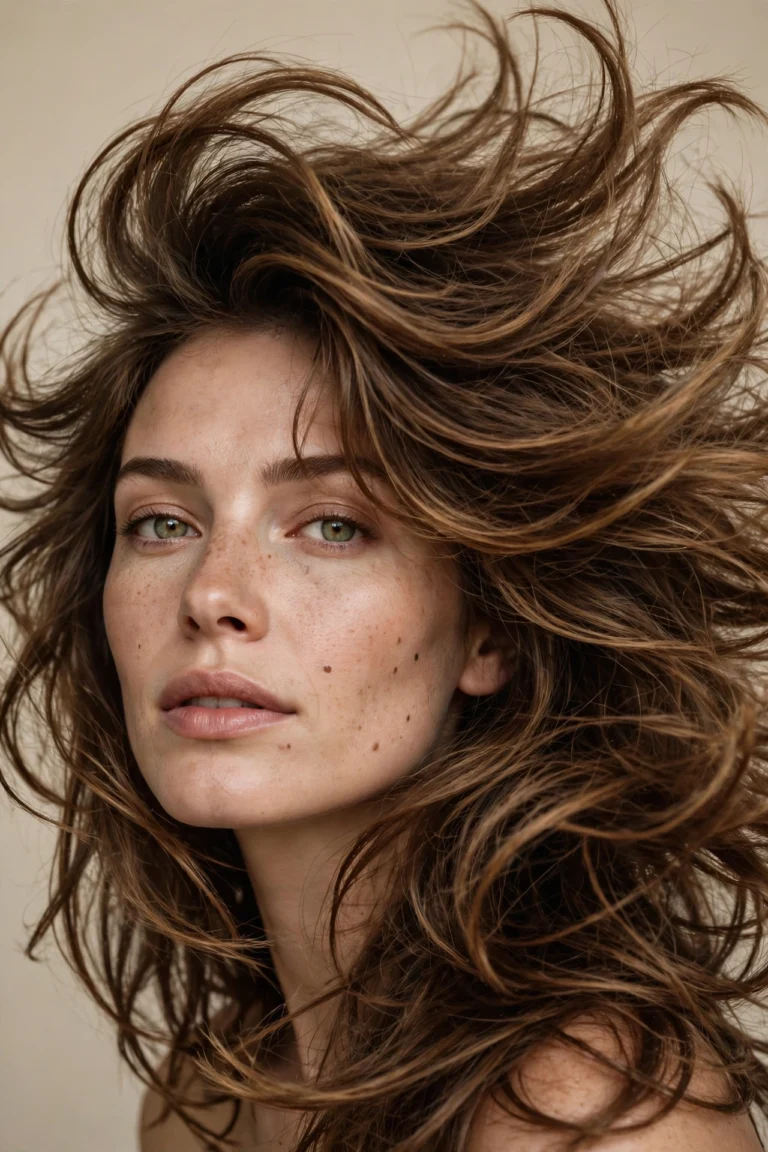
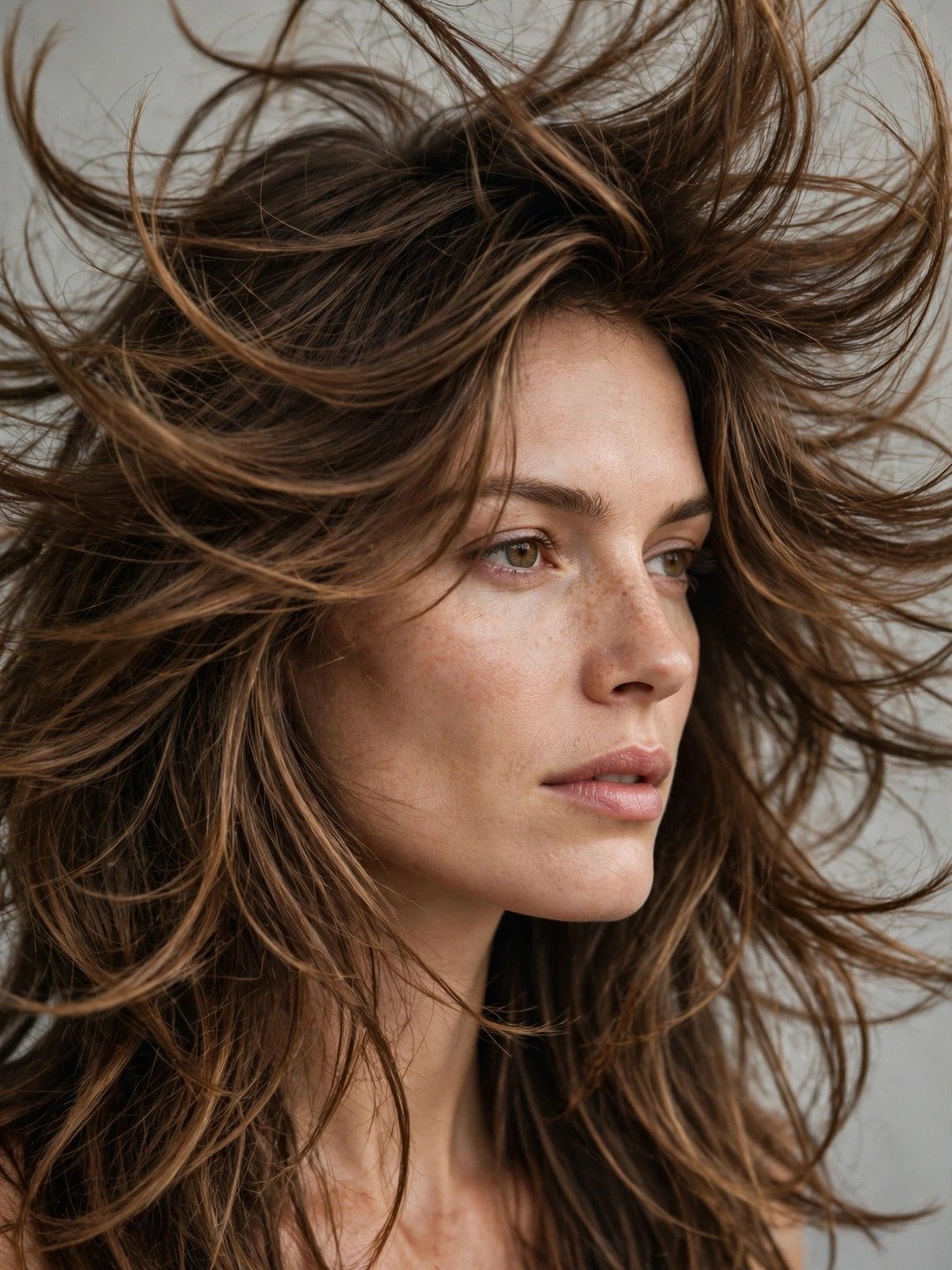
19 Layered Haircuts That Add Movement, Volume, and Shape to Any Length
Layered haircuts are one of the easiest ways to add movement and shape to your hair without cutting off length you’re not ready to lose. Whether your hair is fine and flat, thick and heavy, straight, or curly, the right layers can change how your whole haircut moves and falls. This guide breaks down 19 layered haircut ideas across short, medium, and long lengths, how to pick the right one for your face shape and hair texture, and what it actually costs to maintain.
What Are Layered Haircuts, Exactly?
Layered haircuts are cut so that sections of hair fall at different lengths instead of one uniform, blunt line. Shorter pieces are usually cut around the crown or face, graduating into longer pieces underneath. This removes bulk from thick hair, adds the illusion of fullness to fine hair, and gives curly hair more defined, bouncy shape. Layers can be subtle, with just a little movement at the ends, or dramatic, with heavy, choppy pieces throughout.
How to Pick Layers for Your Face Shape and Hair Texture
Layers work differently depending on where they start and how heavy they are.
- Round face: Longer layers that start below the chin help elongate the face. Avoid short, chunky layers that hit right at the cheeks, since they can add width where you don’t want it.
- Square face: Soft, feathered layers that start around the cheekbone or jawline help soften a strong jawline.
- Heart-shaped face: Layers that add width near the jaw and soften the chin area balance out a wider forehead.
- Oval face: This is the most flexible shape. Nearly all layer styles on this list will work, from short choppy layers to long face-framing pieces.
For hair texture, fine hair generally looks best with shorter, lighter layers that boost volume without thinning it out further. Thick hair benefits from longer, more numerous layers that remove weight and bulk. Curly hair usually looks best with longer layers, since short layers can create unwanted frizz or a triangle shape.
19 Layered Haircut Ideas to Try
Short Layered Looks
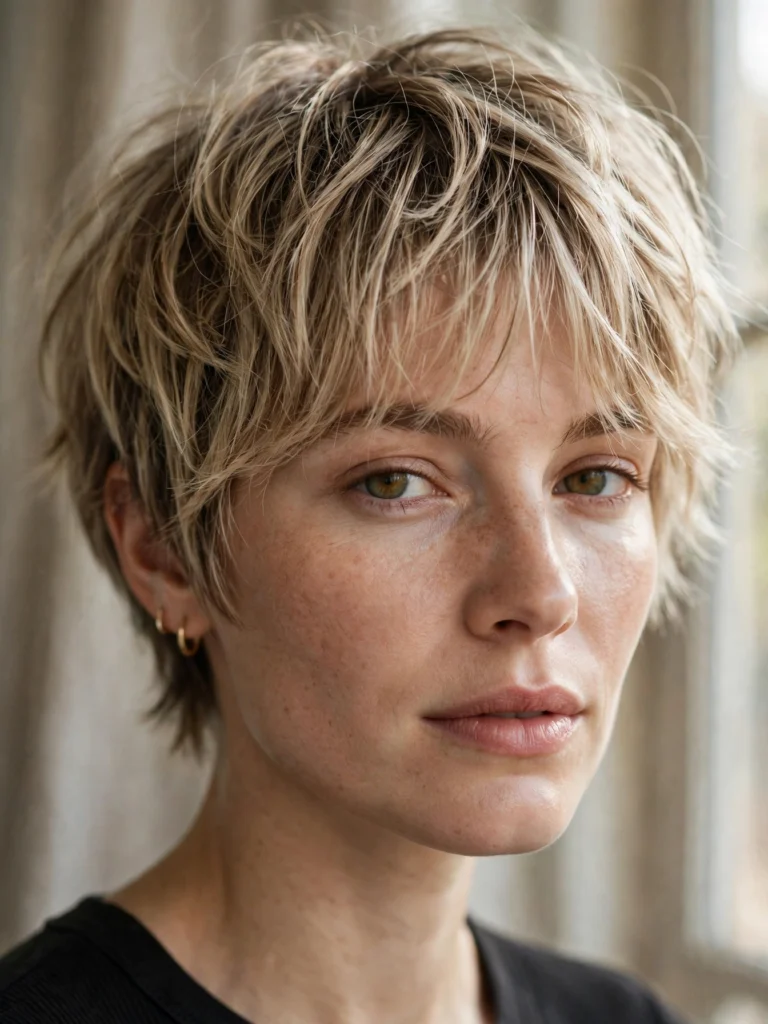
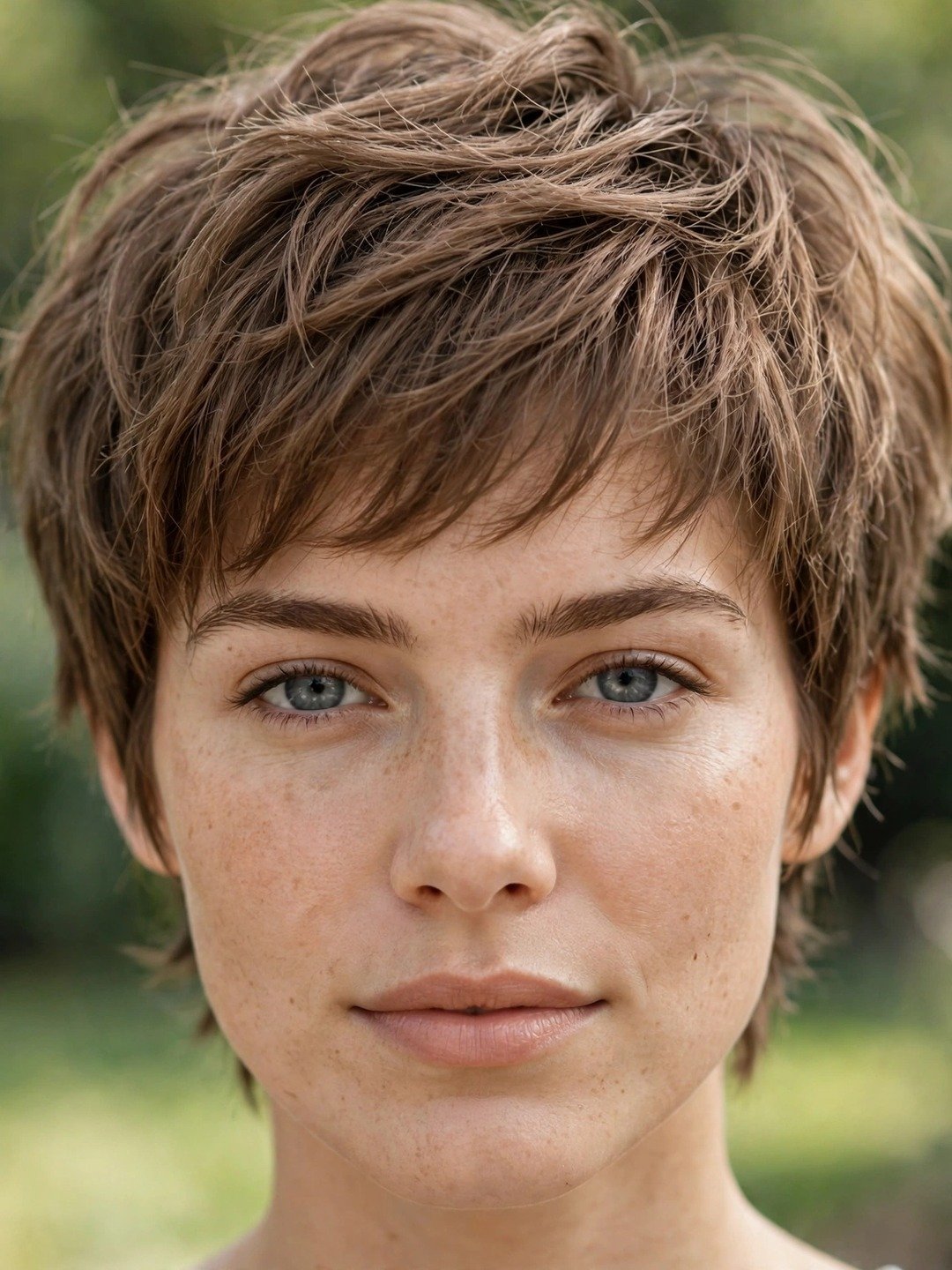
Layered Pixie Cut
A pixie cut with soft internal layering instead of one uniform short length. The layering adds texture and movement on top, so the cut doesn’t look stiff or helmet-like. It works especially well on fine to medium hair, since the shorter layers create the appearance of extra volume at the crown.
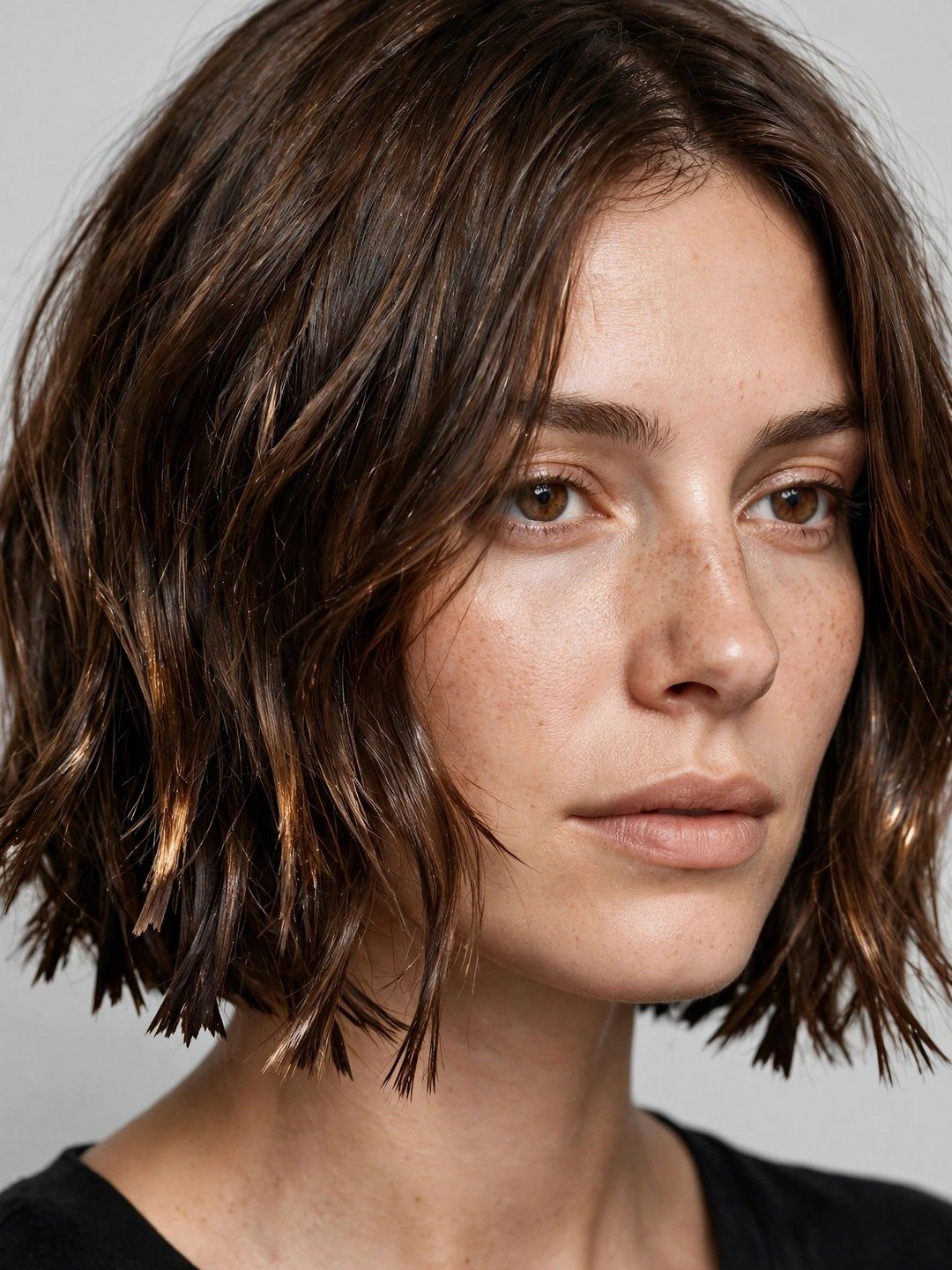
Layered Bob with Choppy Ends
A classic bob cut with textured, choppy layers through the ends instead of a blunt line. The choppiness breaks up heaviness and gives the cut a slightly undone, lived-in look. It’s a good option for thick hair that tends to look bulky in a blunt bob.
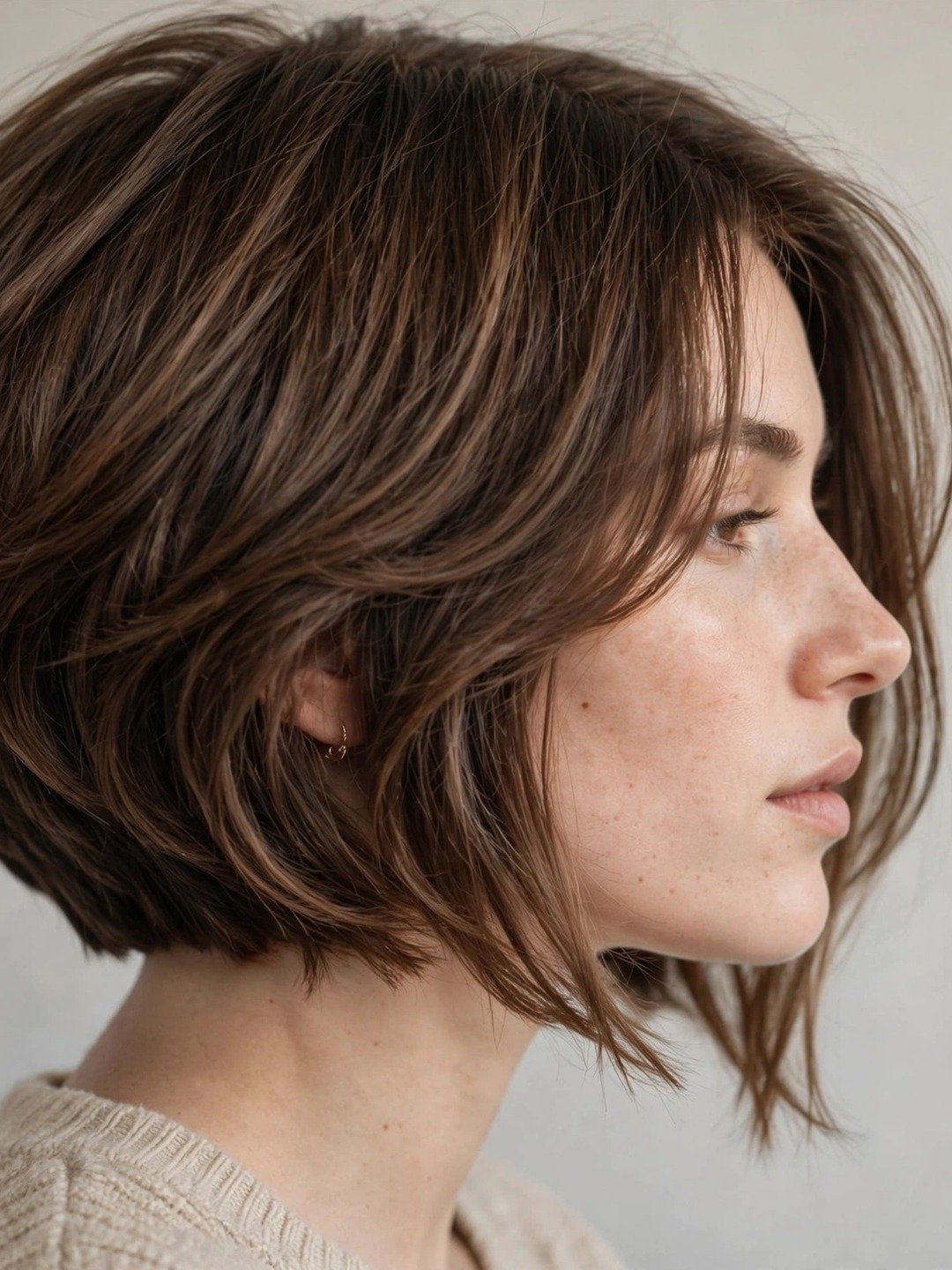
Stacked Bob with Layers
This style uses layers stacked in the back for lift and structure, while the front sections are left slightly longer to frame the face. It creates a rounded, voluminous shape at the back and works well for anyone who wants a short cut that still has noticeable volume.
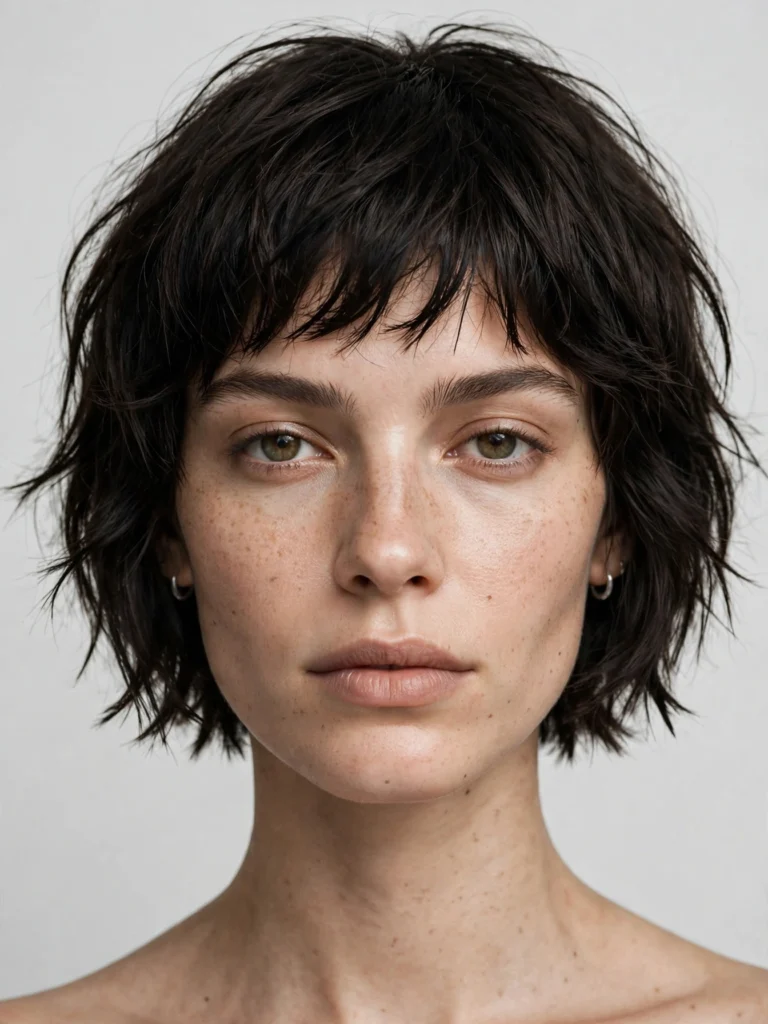
Short Shag with Curtain Bangs
A short, heavily layered shag paired with soft curtain bangs that part in the middle and frame the face. This combination gives a retro, textured feel and works well on fine to medium hair, since the layering throughout adds body without extra bulk.
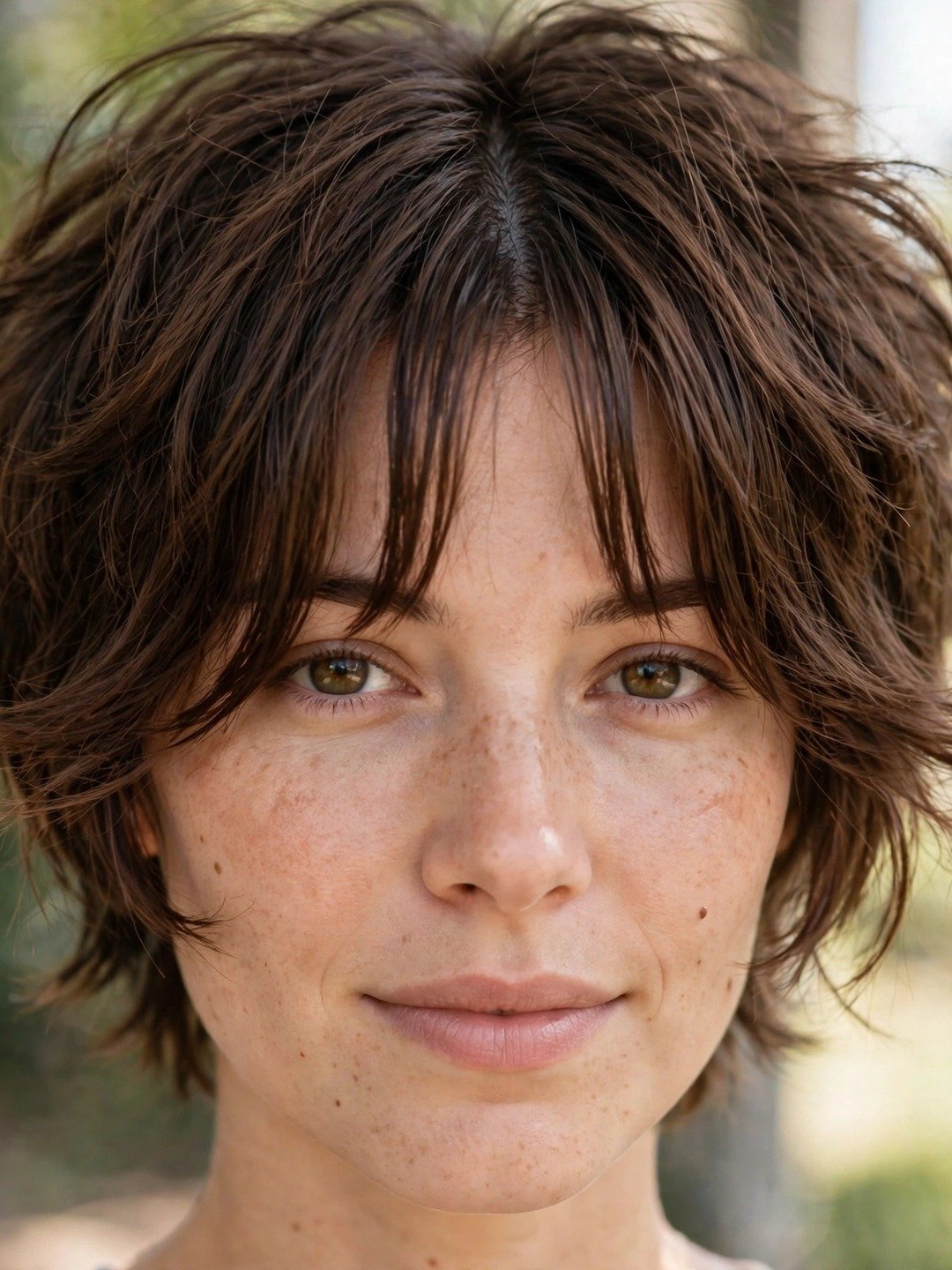
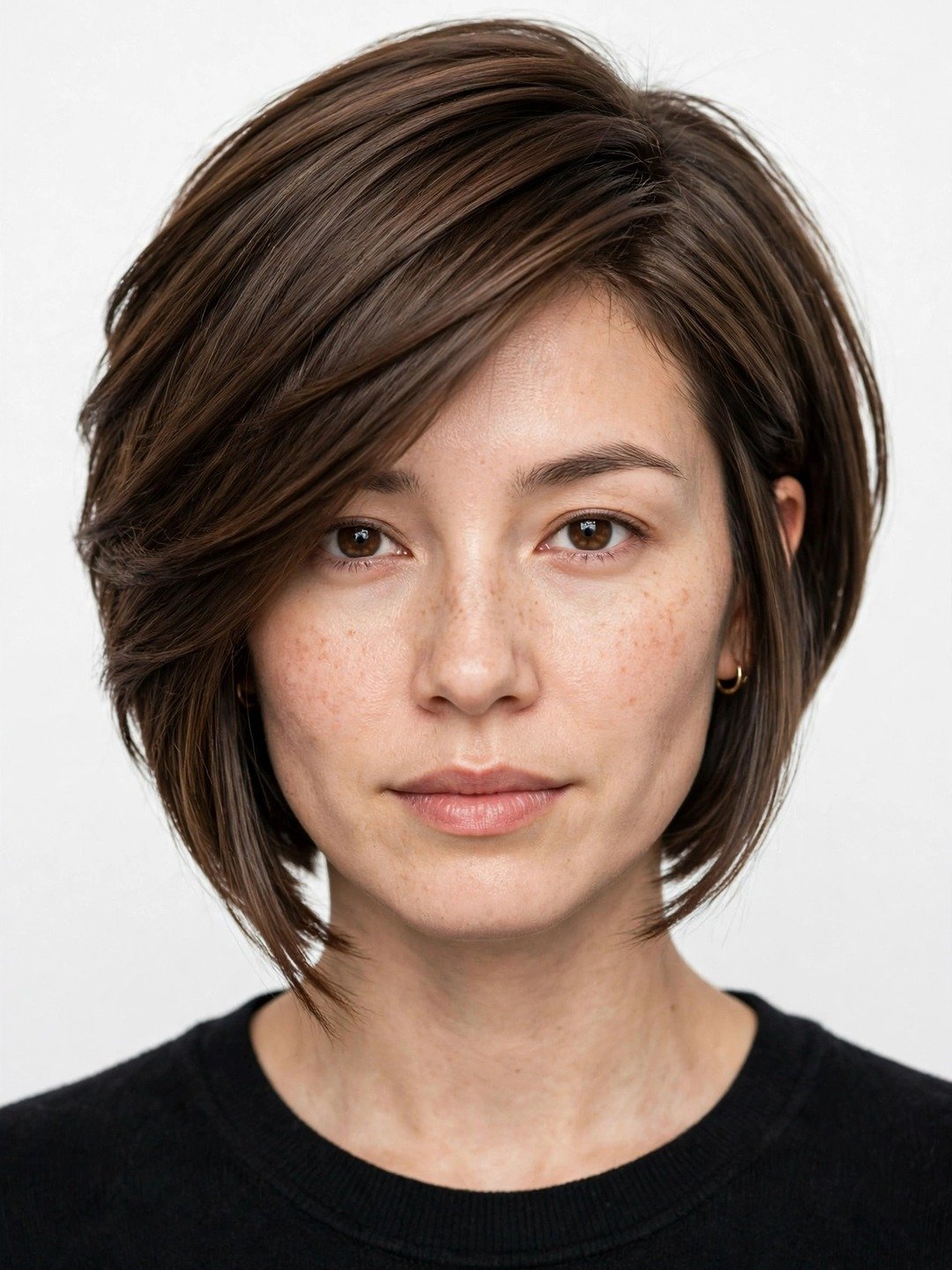
Angled Bob with Stacked Layers
A bob cut on an angle, longer in the front and shorter in the back, with layers built in for extra dimension. The angle elongates the face, making it a strong option for round or square face shapes.
Medium Layered Looks
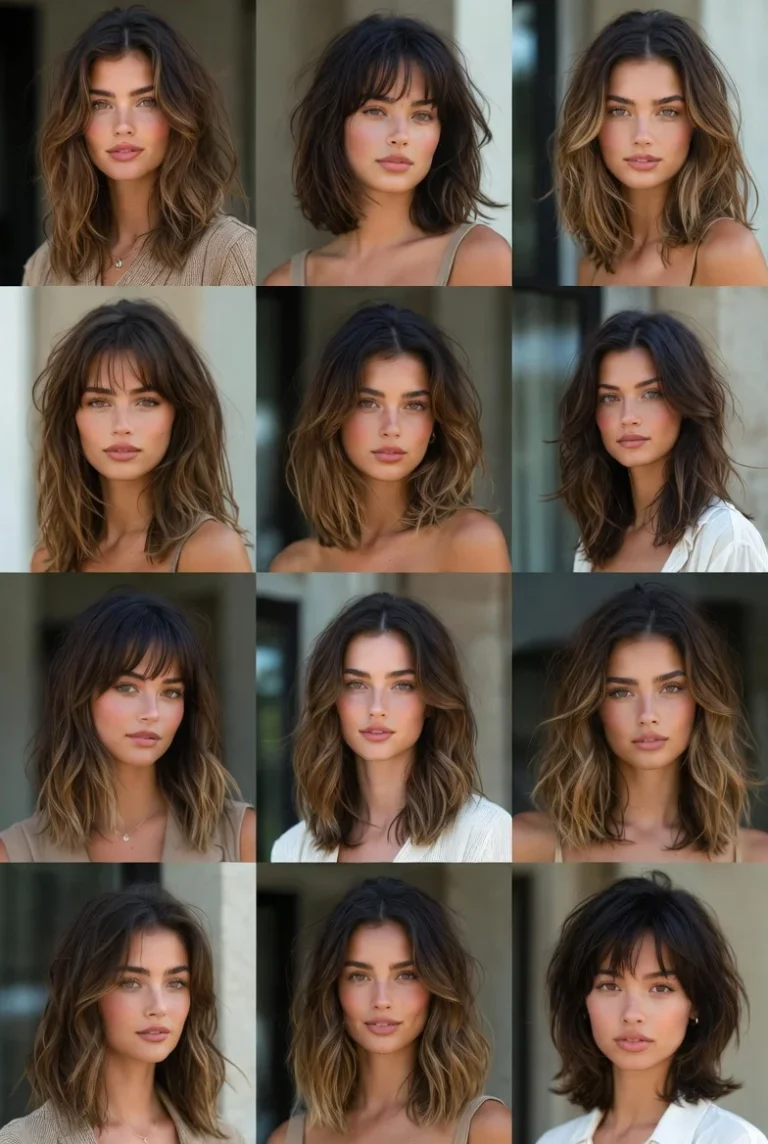
Layered Lob (Long Bob)
The lob sits between the chin and shoulders, with soft internal layering through the mid-lengths and ends. It’s one of the most versatile lengths, giving natural lift and movement without committing to a short cut. Fine to medium hair benefits the most, since the layers add bounce.
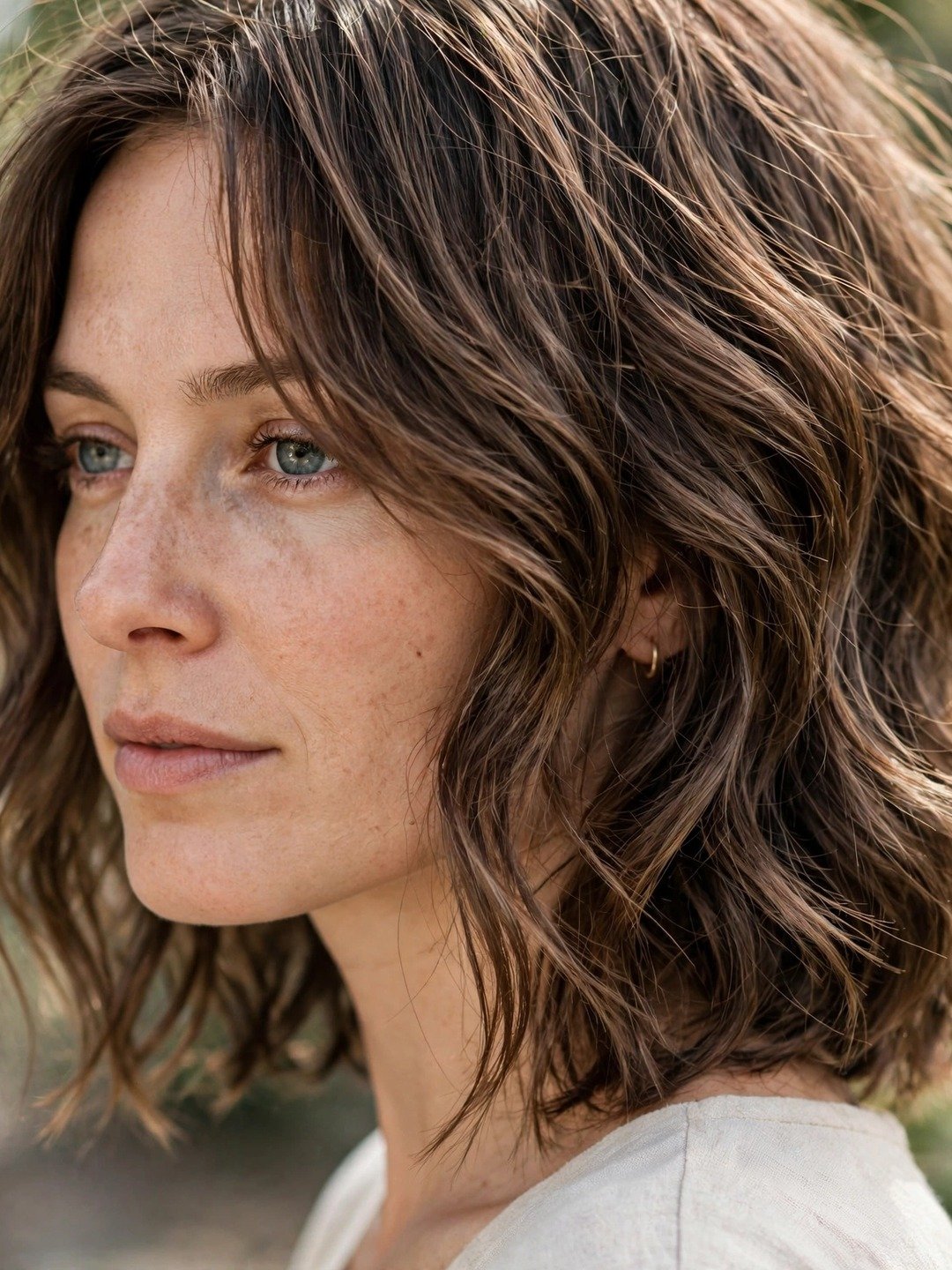
Shoulder-Length Shag
A shag cut at shoulder length, using strategic, piecey layering for a lived-in, undone texture rather than a stiff, heavily styled shape. It works well across most hair textures, since the layering can be adjusted to remove bulk on thick hair or add volume on fine hair.
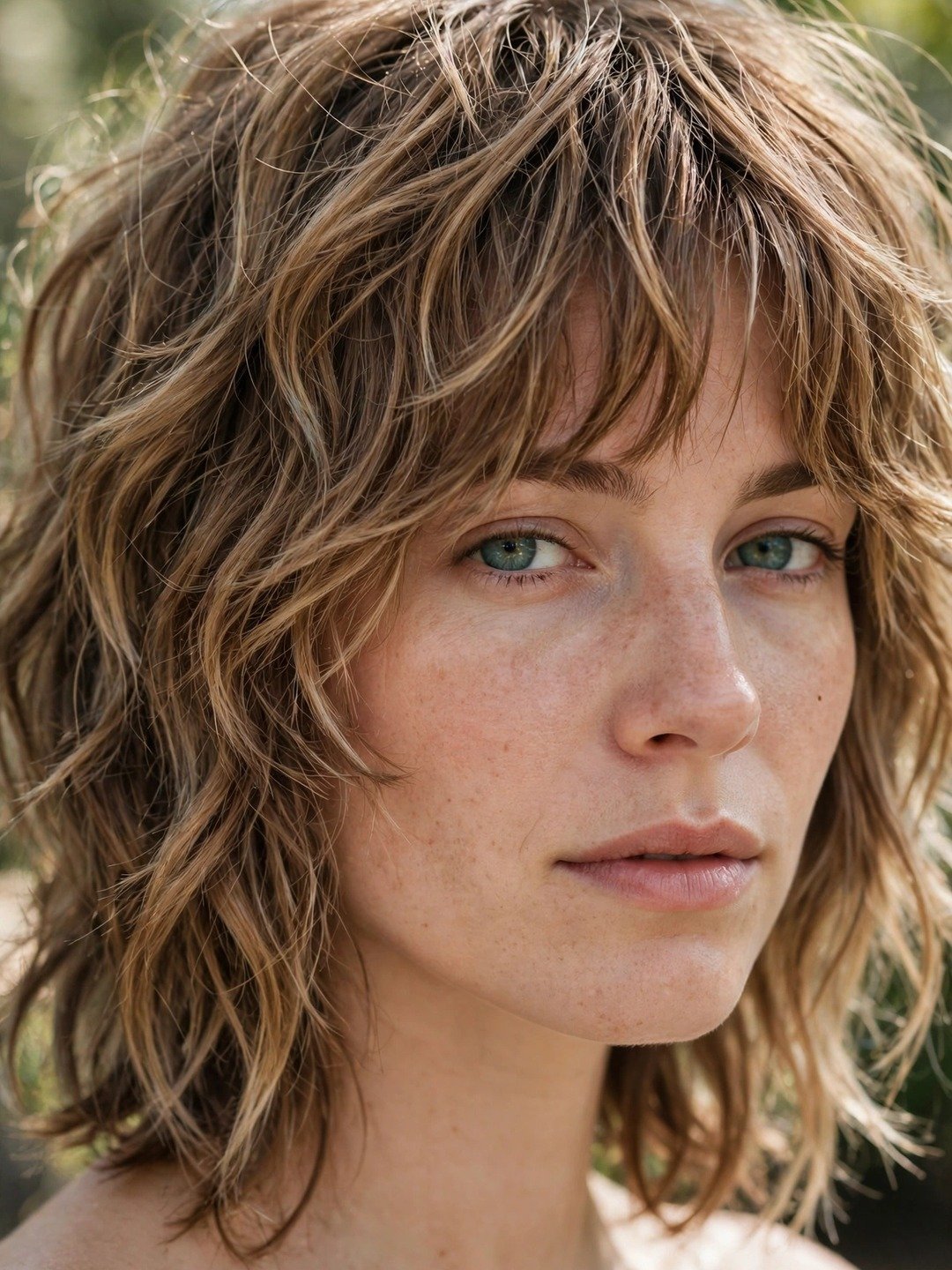
Medium Layers with Face-Framing Pieces
This style keeps most of the length intact but adds slightly shorter, face-framing pieces around the front. It’s a subtle way to add dimension near your features without a dramatic overall change, and it works on nearly every face shape.
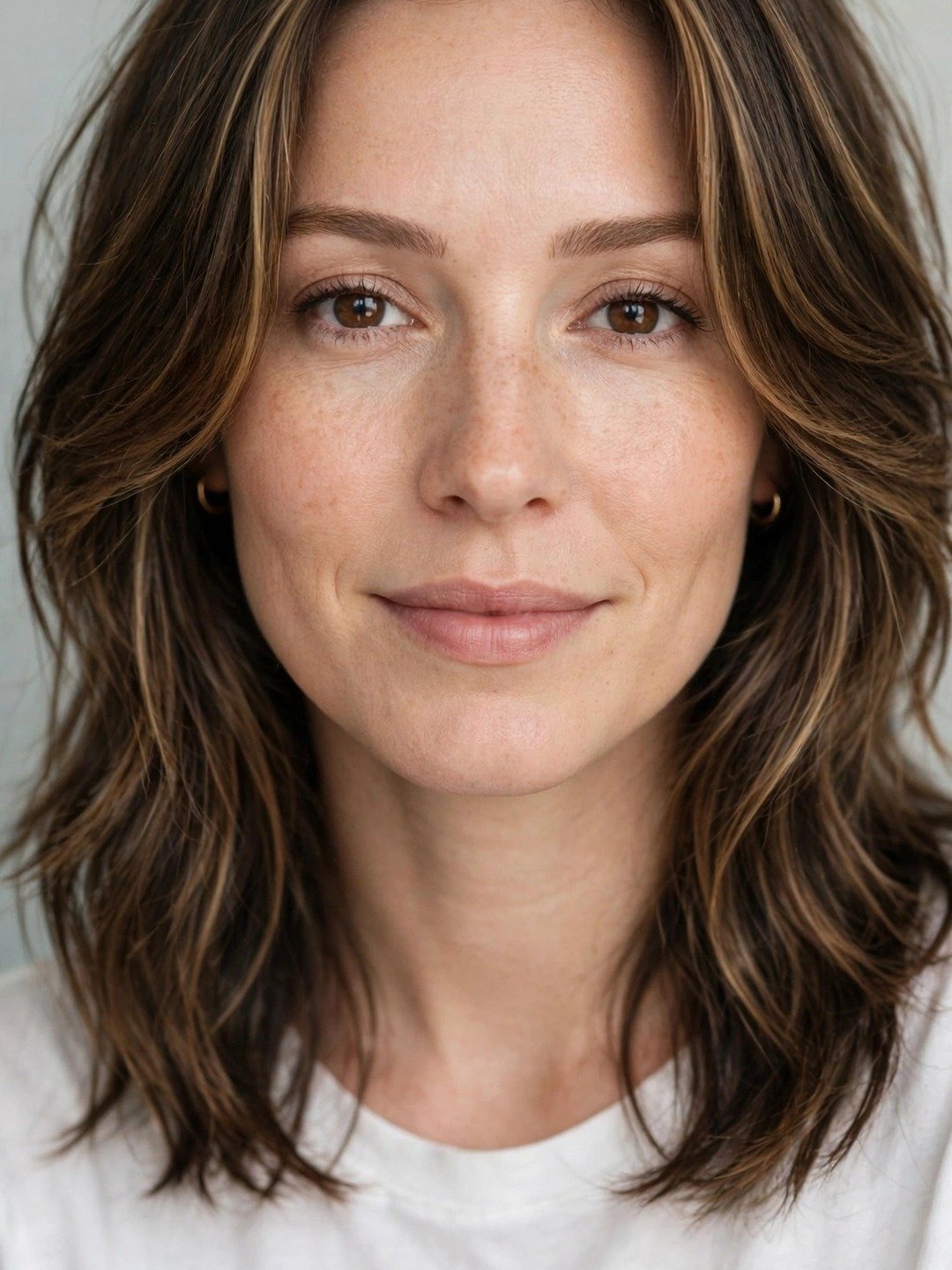
Medium Butterfly Haircut
The butterfly cut uses heavier layering through the crown and shorter sections up top, creating volume that spreads out like a butterfly’s wings when the hair moves. On medium-length hair, this creates noticeable lift and movement, especially on thicker hair textures.
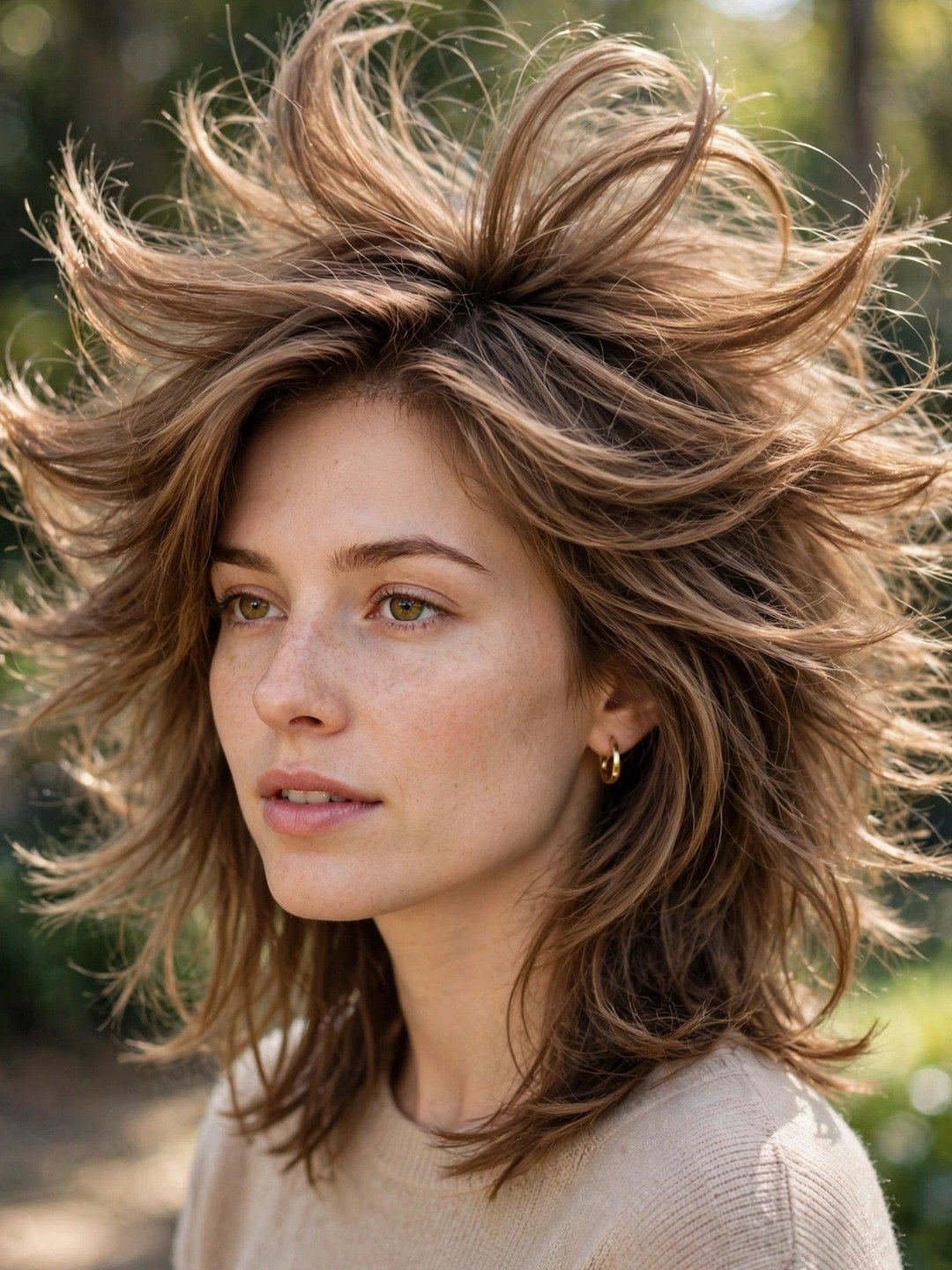
Curtain Bangs with Medium Layers
Soft, swooping curtain bangs paired with medium-length layers throughout. The bangs blend directly into the face-framing layers, creating a soft, rounded shape around the face. This is a popular option for anyone transitioning from a blunt cut into layers gradually.
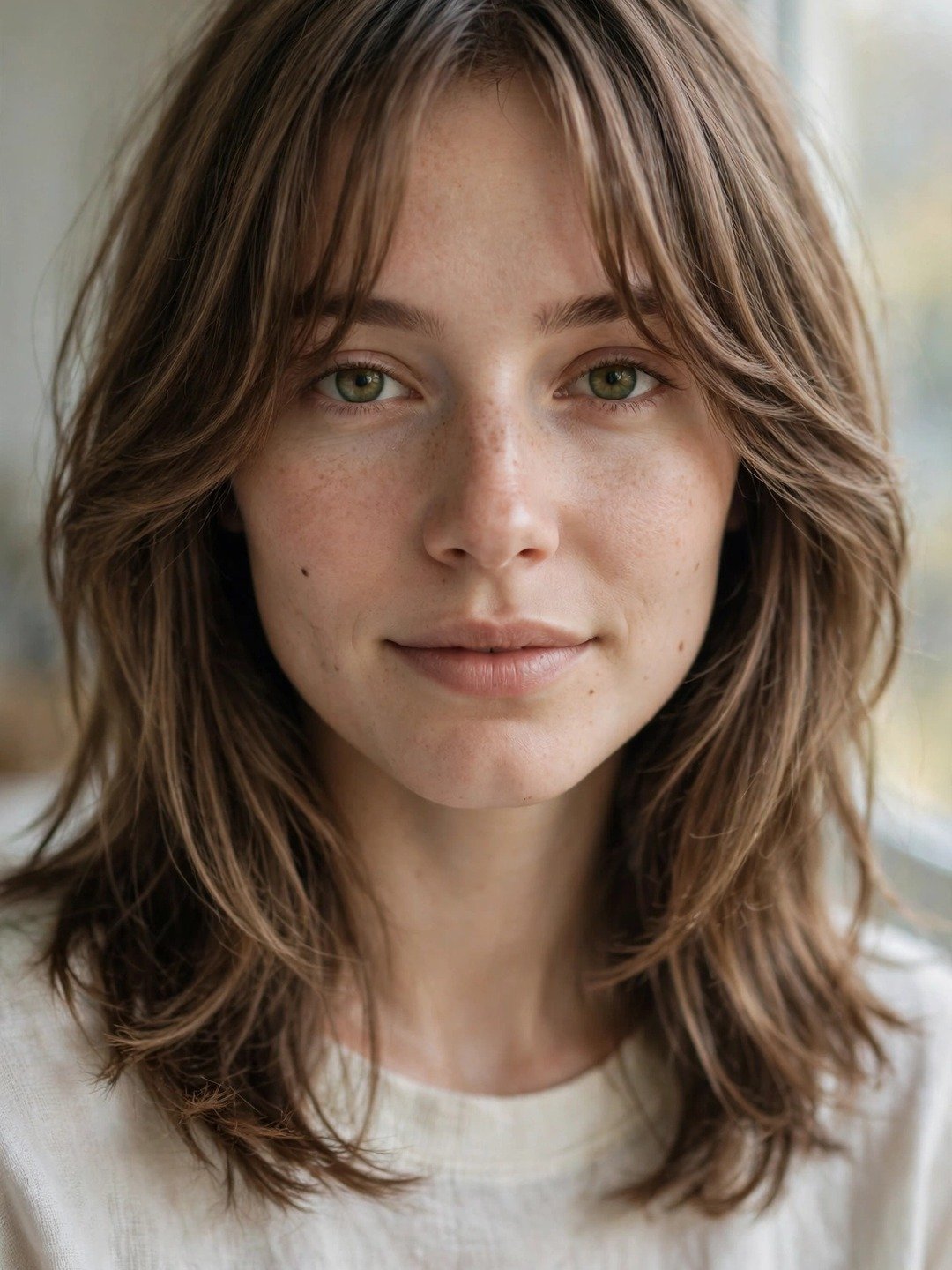
Feathered Layers on Medium Hair
Feathered layers are cut at an angle so the ends flick outward slightly instead of lying flat. On medium-length hair, this creates a soft, wispy movement, particularly around the face and ends. It works best on straight to slightly wavy hair, where the feathered effect shows clearly.
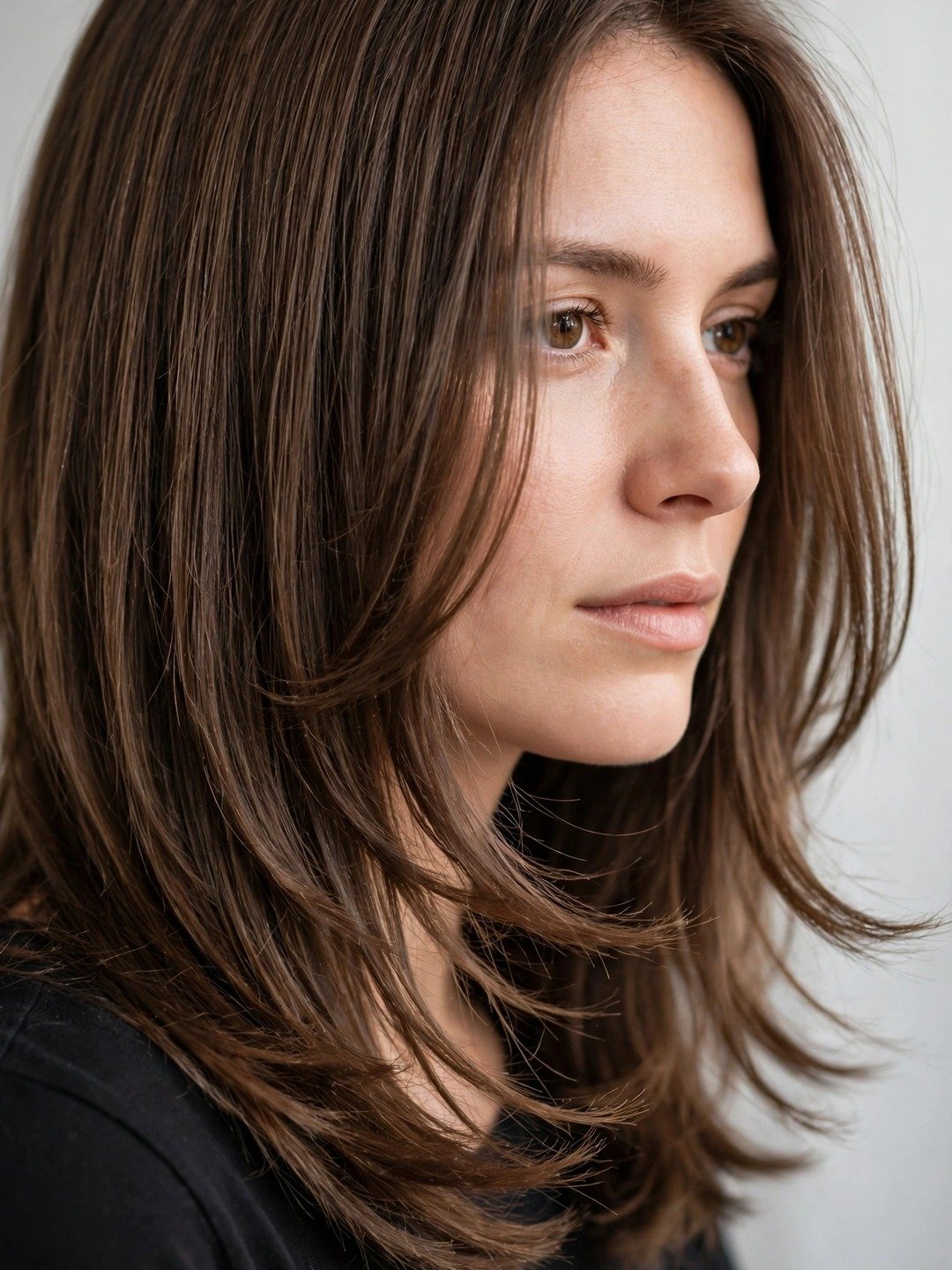
Long Layered Looks
Classic Long Layers
Long hair with evenly distributed layers throughout, removing weight while keeping the overall length intact. This is one of the most requested cuts for people who want their hair to move more without losing length.
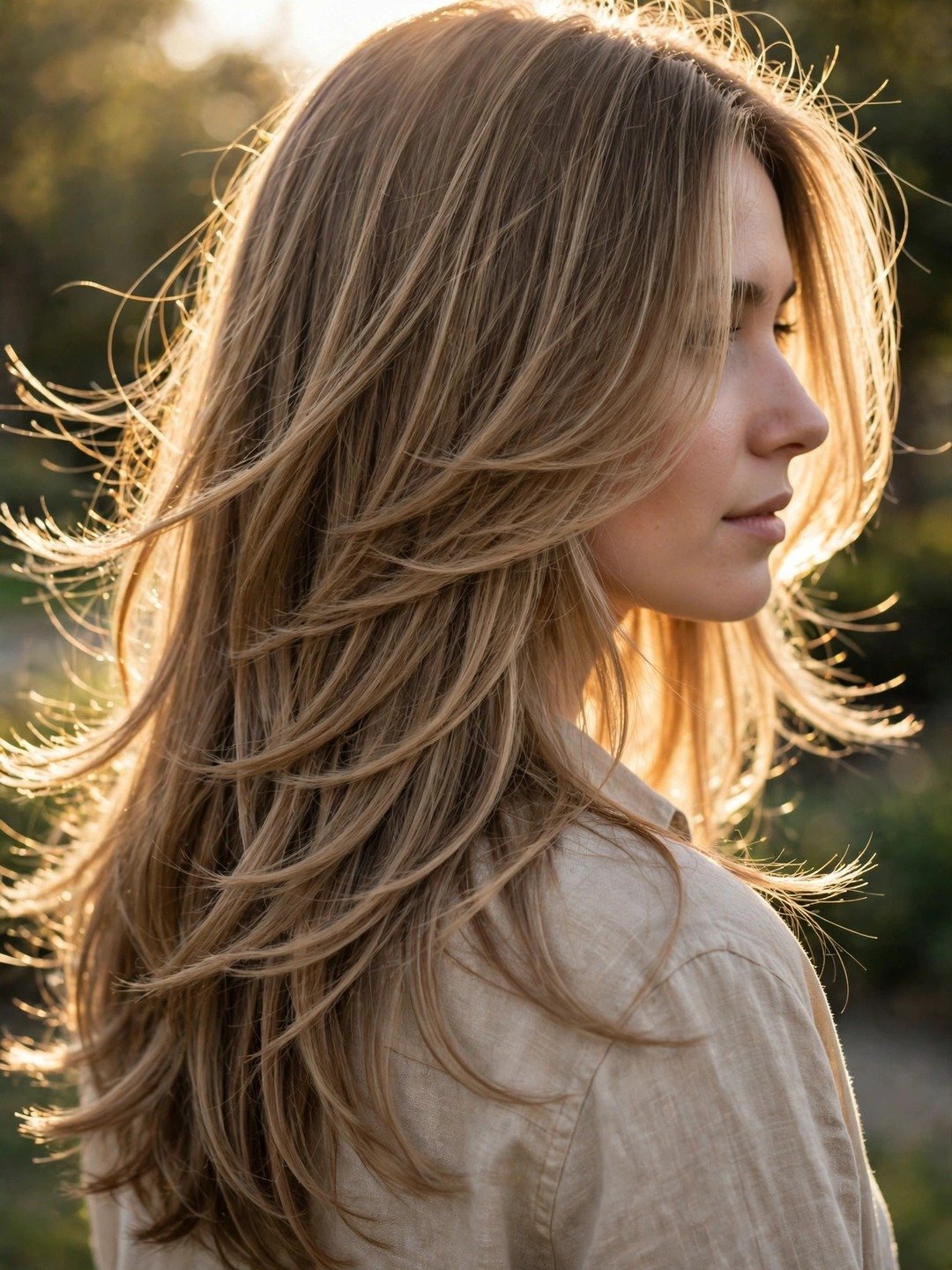
Long Layered Shag
A long shag uses more aggressive, textured layering than classic long layers, often paired with curtain bangs. It removes significant weight from thick, heavy hair and creates a relaxed, air-dried texture that doesn’t require heavy styling.
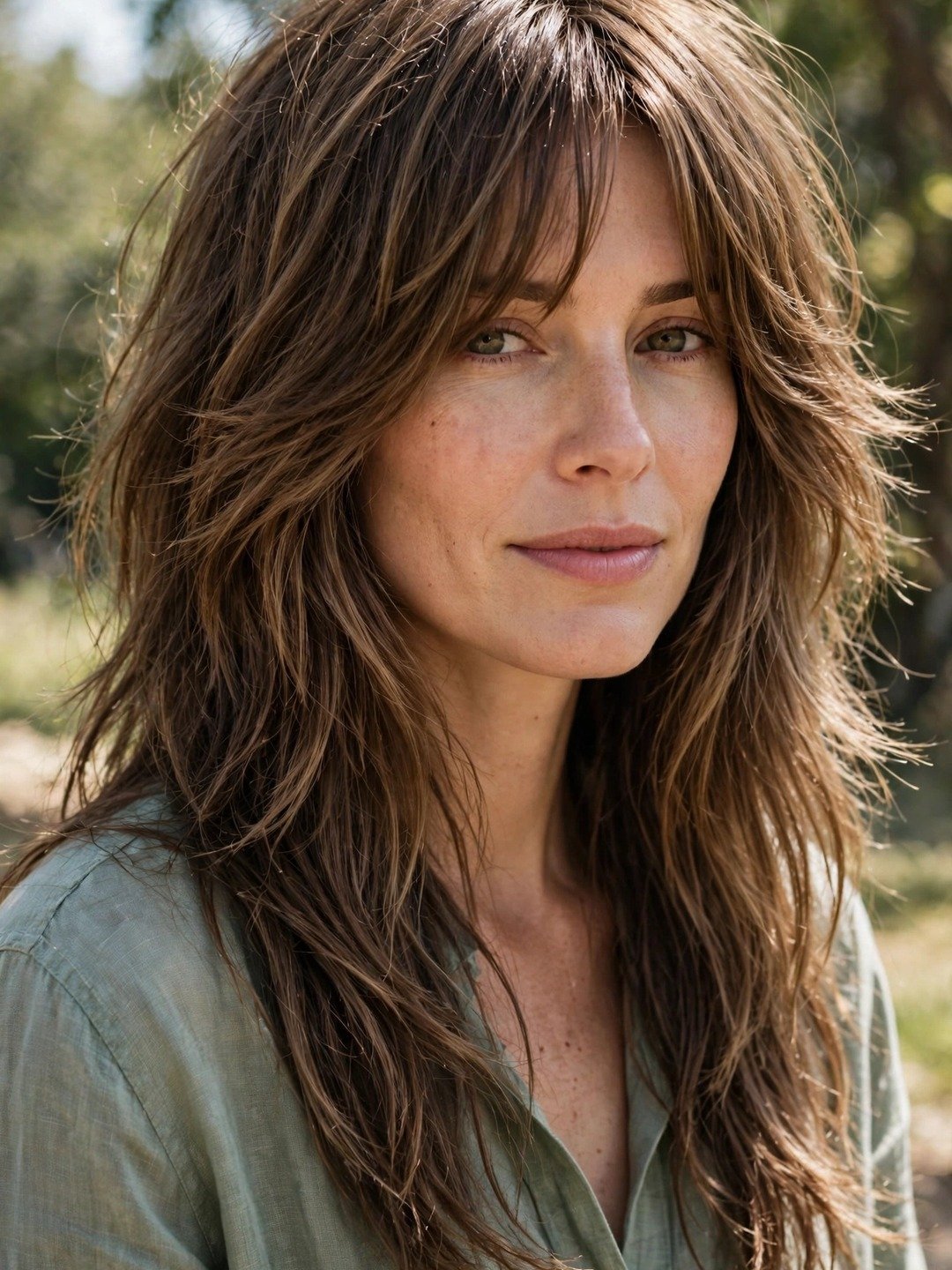
Long Butterfly Haircut
The long version of the butterfly cut uses heavier layering starting higher up, creating dramatic volume through the crown while the length stays long. It’s especially flattering on thick or coarse hair, which can otherwise feel weighed down at long lengths.
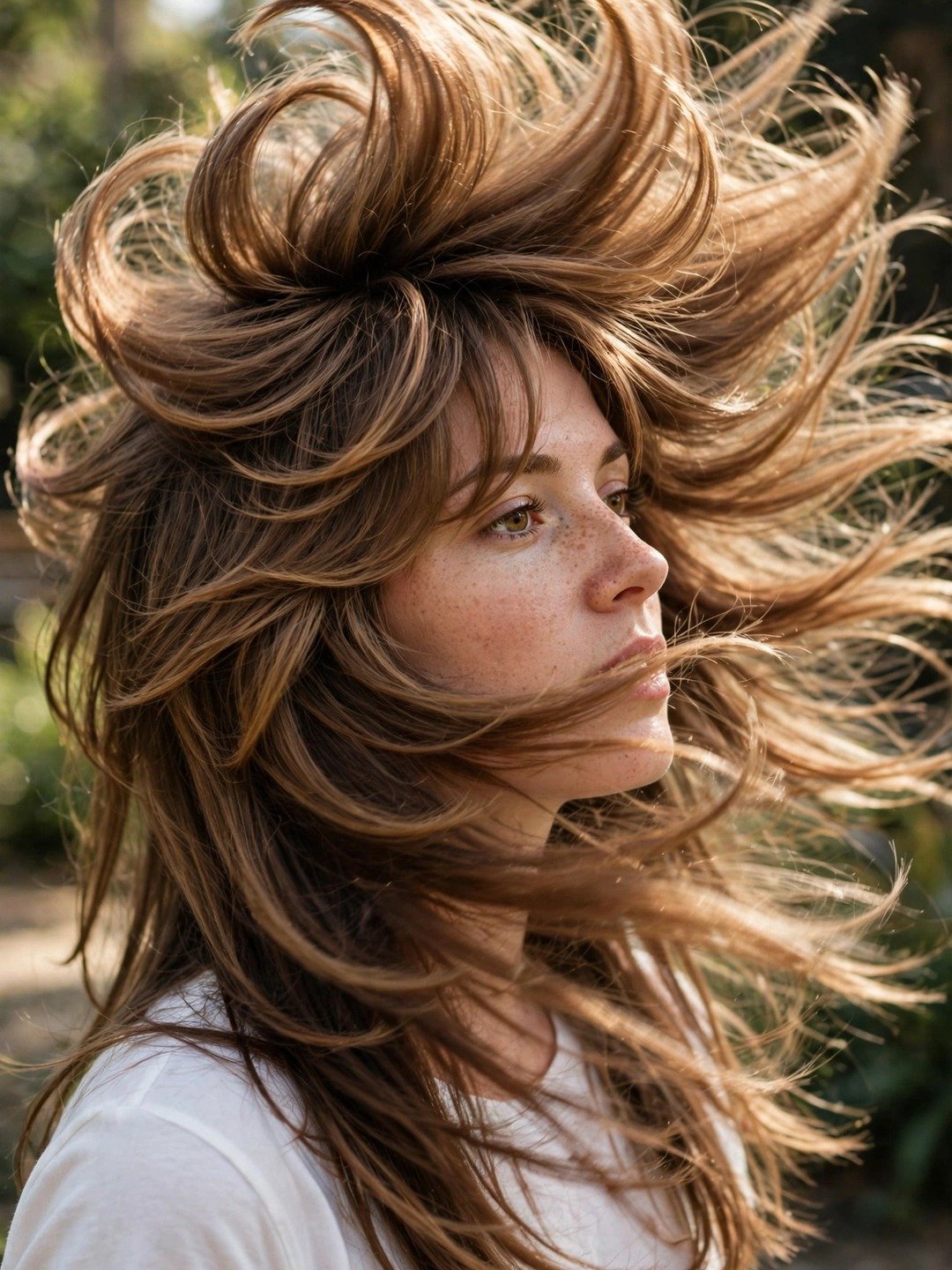
V-Cut Layers
Layers cut into a deep V-shape at the back, with the layers built around that V for a cascading effect. This style gives long hair a defined, structured shape while still incorporating movement throughout.
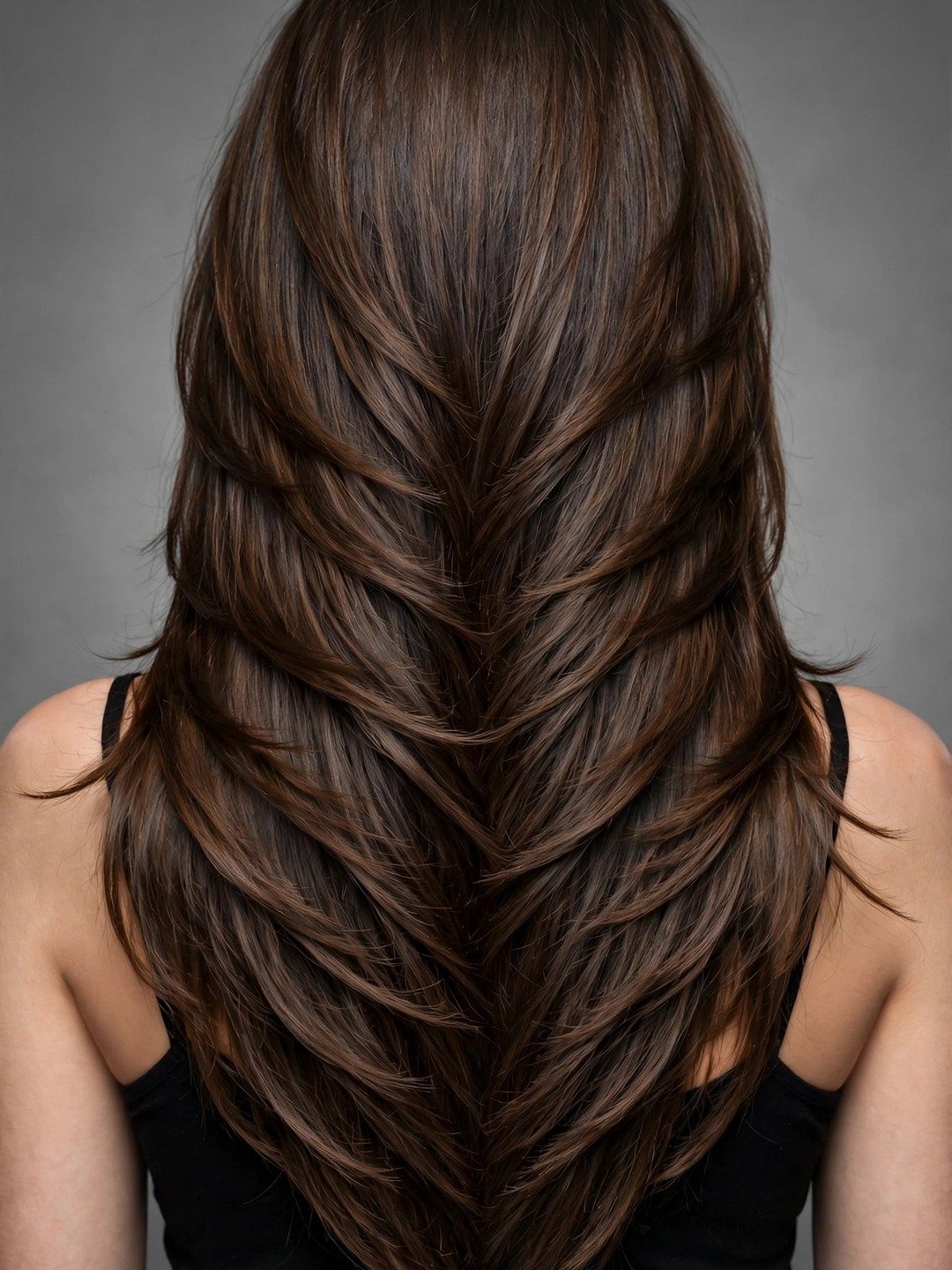
Long Layers with Curtain Bangs
Full-length layers combined with curtain bangs that frame the face and blend into the rest of the layering. This is one of the most popular long-hair combinations right now, since it boosts volume at the crown while softening the face.
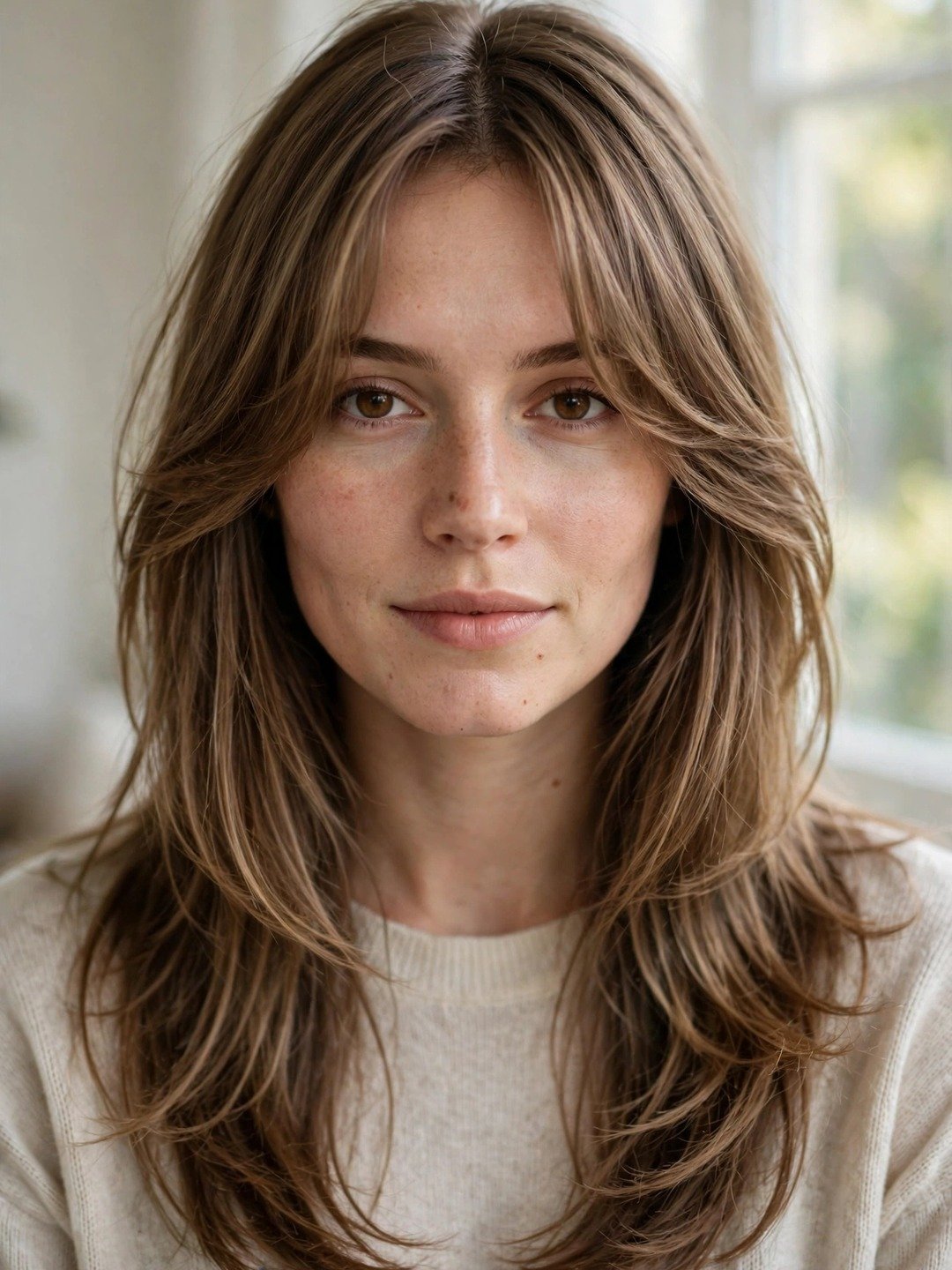
Face-Framing Long Layers
Long layers with extra emphasis on shorter, more dramatic pieces directly around the face. Unlike subtle face-framing on shorter cuts, this version can be cut quite short at the front, sometimes reaching cheekbone length, for a bolder frame around the features.
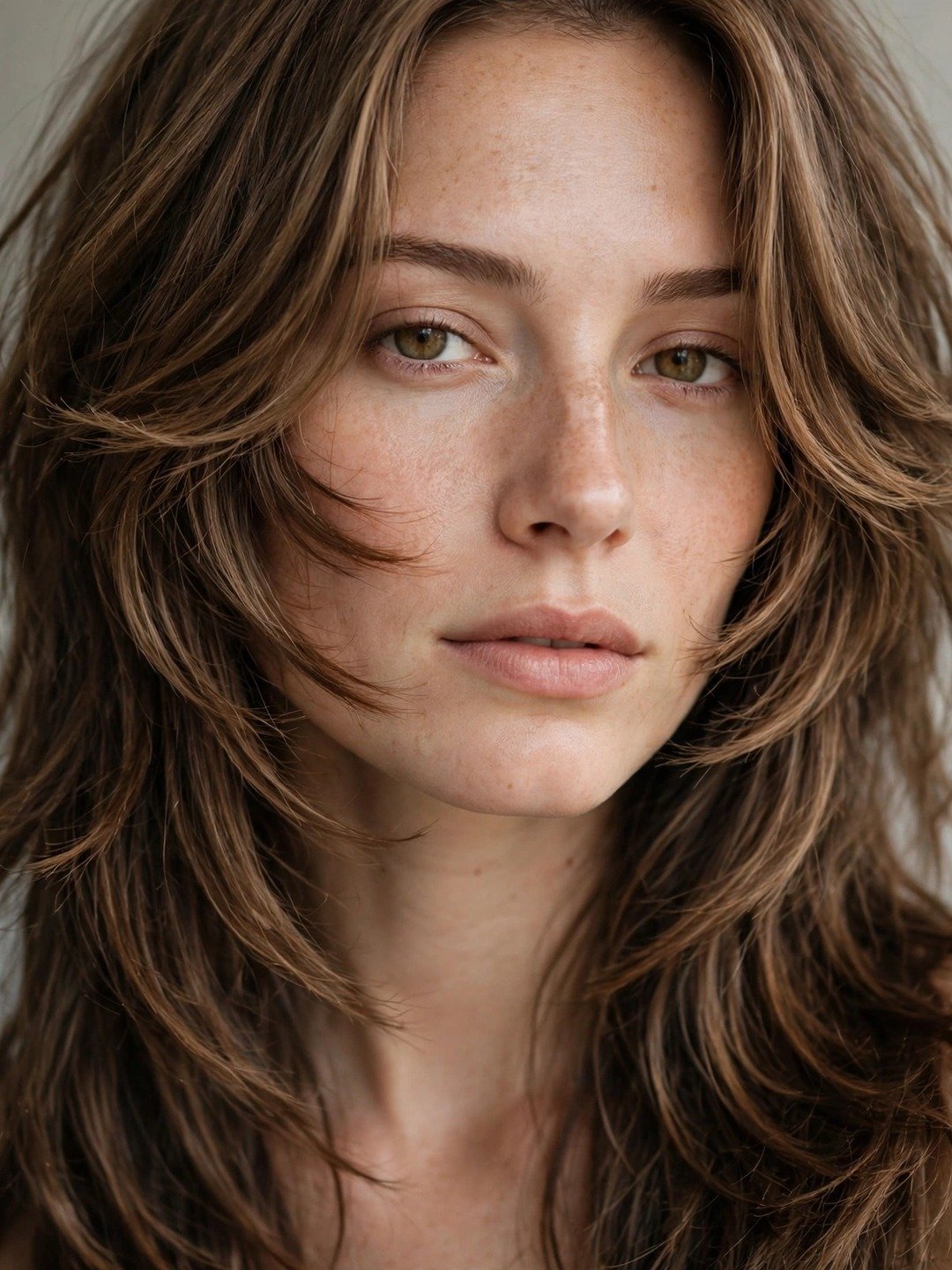
Curly and Textured Layered Looks
Layered Curly Hair
Long to medium layers cut specifically to work with natural curl pattern, rather than layers designed for straight hair. This helps define individual curls and reduces the bulky, triangle shape that curly hair can develop without layering. Stylists typically cut curly hair layers while the curl is in its natural, unstretched state for accuracy.
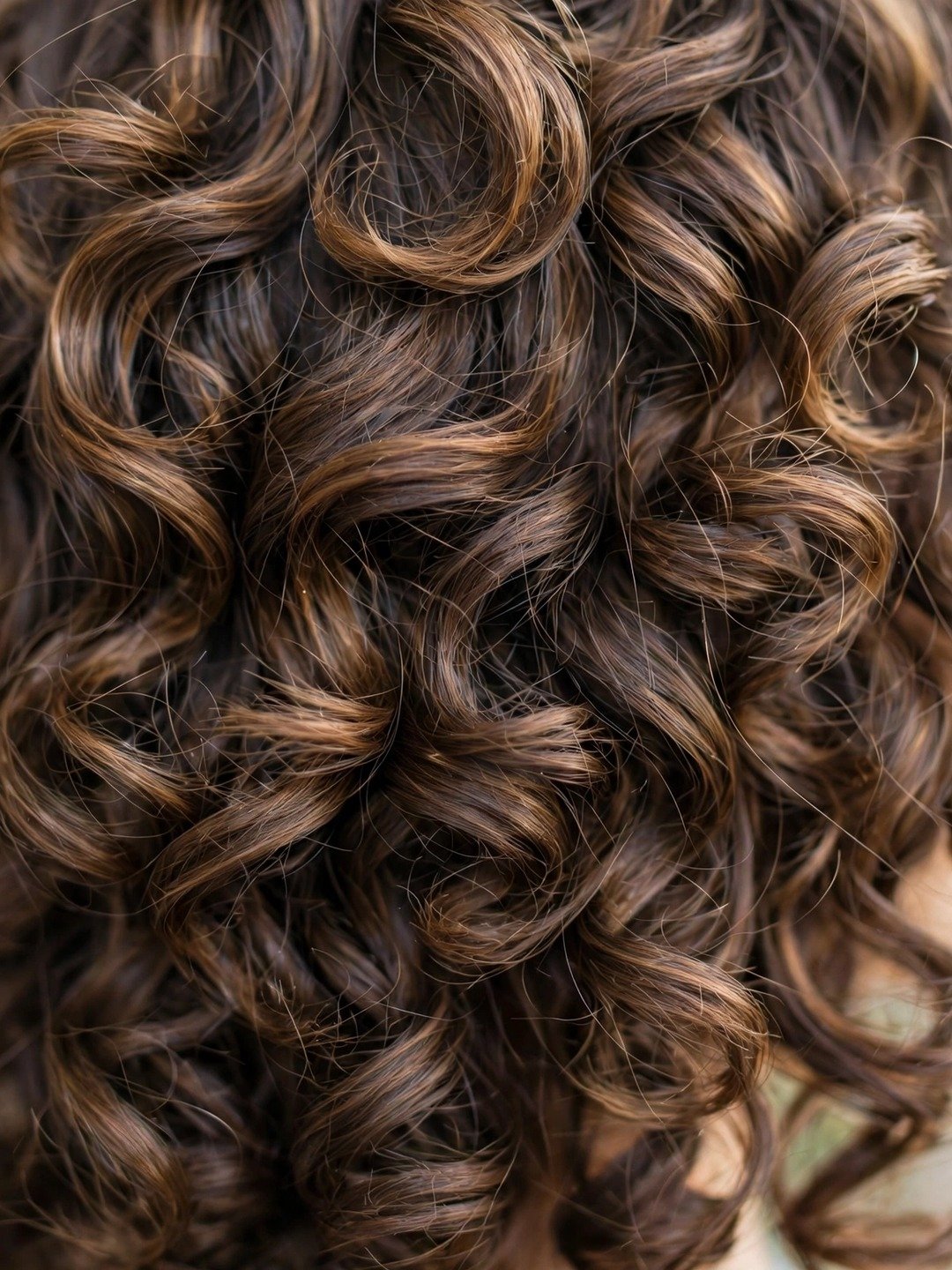
Choppy Textured Layers for Thick Hair
Heavy, textured layering cut specifically to remove bulk from very thick or coarse hair. Unlike soft feathered layers, this style uses more aggressive point-cutting and slicing to noticeably lighten the overall weight of the hair, making it easier to style day to day.
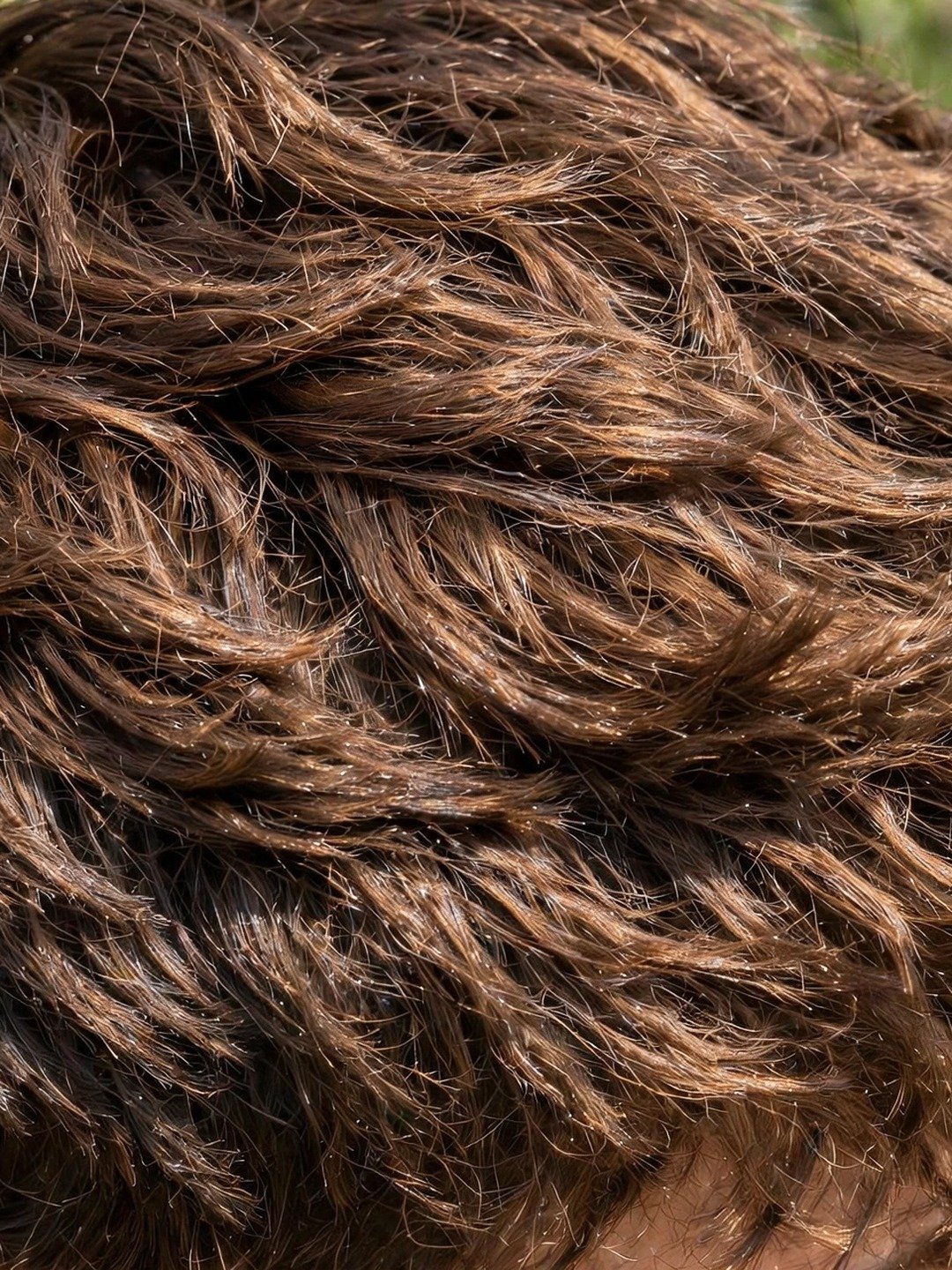
Shag vs Butterfly vs Face-Framing vs Curtain Bangs — Quick Comparison
These terms get mixed up constantly, so here’s the difference:
- Shag refers to heavy, textured layering throughout the whole head, often with a slightly undone, 70s-inspired finish.
- Butterfly cut specifically uses heavier layering concentrated at the crown, creating dramatic volume and movement when the hair is shaken or moved.
- Face-framing layers are shorter pieces cut specifically around the face to highlight features, and can be added to almost any haircut.
- Curtain bangs are a specific type of bang that part in the middle and sweep to either side, often blending into face-framing layers but technically a bang, not a full layering technique.
If you’re not sure which one matches the photo you have saved, bring it directly to your stylist. These styles often overlap in real life, so a reference photo avoids miscommunication.
How Much Do Layered Haircuts Cost, and How Often Do You Need Trims?
Typical cost ranges:
- Standard layered cut: roughly $30 to $150, depending on salon and location
- Face-framing layers added to an existing cut: roughly $50 to $100
- Long layered cuts: roughly $60 to $150, since longer hair takes more time and precision
Typical trim schedule by style:
- Short layered cuts (pixie, short bob): every 3 to 6 weeks
- Medium layered cuts (lob, shoulder-length shag): every 4 to 6 weeks
- Long layered cuts: every 6 to 10 weeks
- Curly layered cuts: every 6 to 10 weeks
- Heavily textured or choppy styles: every 6 to 8 weeks, since the shape shows growth faster
Prices and timelines vary a lot by location and stylist, so treat these as general ranges rather than fixed numbers.
Frequently Asked Questions
Do layers work on thick hair?
Yes. Layers are one of the most effective ways to remove bulk from thick hair, making it feel lighter and easier to style without losing length.
Will layers make fine hair look thinner?
Not if they’re cut correctly. Shorter, well-placed layers actually create the appearance of more volume on fine hair. Overly long, thin layers can occasionally reduce fullness, so it’s worth mentioning your hair type to your stylist.
Are layers good for curly hair?
Yes, but they need to be cut specifically for curly texture. Curly hair layers help define curl shape and reduce the triangle effect, and are usually cut while the hair is in its natural curl state.
How do I know if I want a shag or just face-framing layers?
A shag involves heavy layering throughout the whole head. Face-framing layers only affect the pieces around your face, with the rest of your length staying largely intact. If you want a smaller change, start with face-framing layers.
Do layered haircuts need more maintenance than a blunt cut?
Generally yes, especially for shorter or heavily textured layers, since the shape shows growth faster. Long, soft layers are the lowest maintenance option on this list.
Final Thoughts
Layered haircuts aren’t one single style, they’re a technique that can be adapted to almost any length, texture, and face shape. The right version for you depends on how much length you want to keep, how much volume or texture you’re after, and how much upkeep you’re willing to commit to. Bring a few reference photos from this list to your next appointment, and your stylist can adjust the placement and heaviness of the layers specifically for your hair.