20 Bridal Hairstyles for Every Dress, Venue, and Vibe
Your bridal hairstyle is one of the details that ties your entire wedding day look together, and it needs to hold up through hours of photos, a ceremony, and a full reception. This guide breaks down 20 bridal hairstyle ideas across updos, half-up styles, loose waves, braids, and short hair, plus how to match a style to your dress and venue, when to book your trial, and what it actually costs.
How to Choose Your Bridal Hairstyle
A few practical factors narrow things down fast.
- Dress neckline: Backless or low-back dresses usually look best with an updo or bun, since loose hair covers the back detail. High necklines or long sleeves pair well with structured or tied-back styles. Flowing, bohemian dresses suit loose hair or a half-up look.
- Venue formality: Formal ballroom weddings tend to call for sleeker, more polished updos. Outdoor, garden, or rustic venues suit softer, more relaxed waves and braids.
- Face shape: Round faces are usually flattered by styles with height or volume at the crown. Longer face shapes suit styles with width or fullness at the sides, like a soft half-up look.
- Veil: If you’re wearing a veil, tell your stylist during the trial, since veil placement changes how certain updos and half-up styles are built.
20 Bridal Hairstyles to Try
Updo Styles
Classic Low Chignon
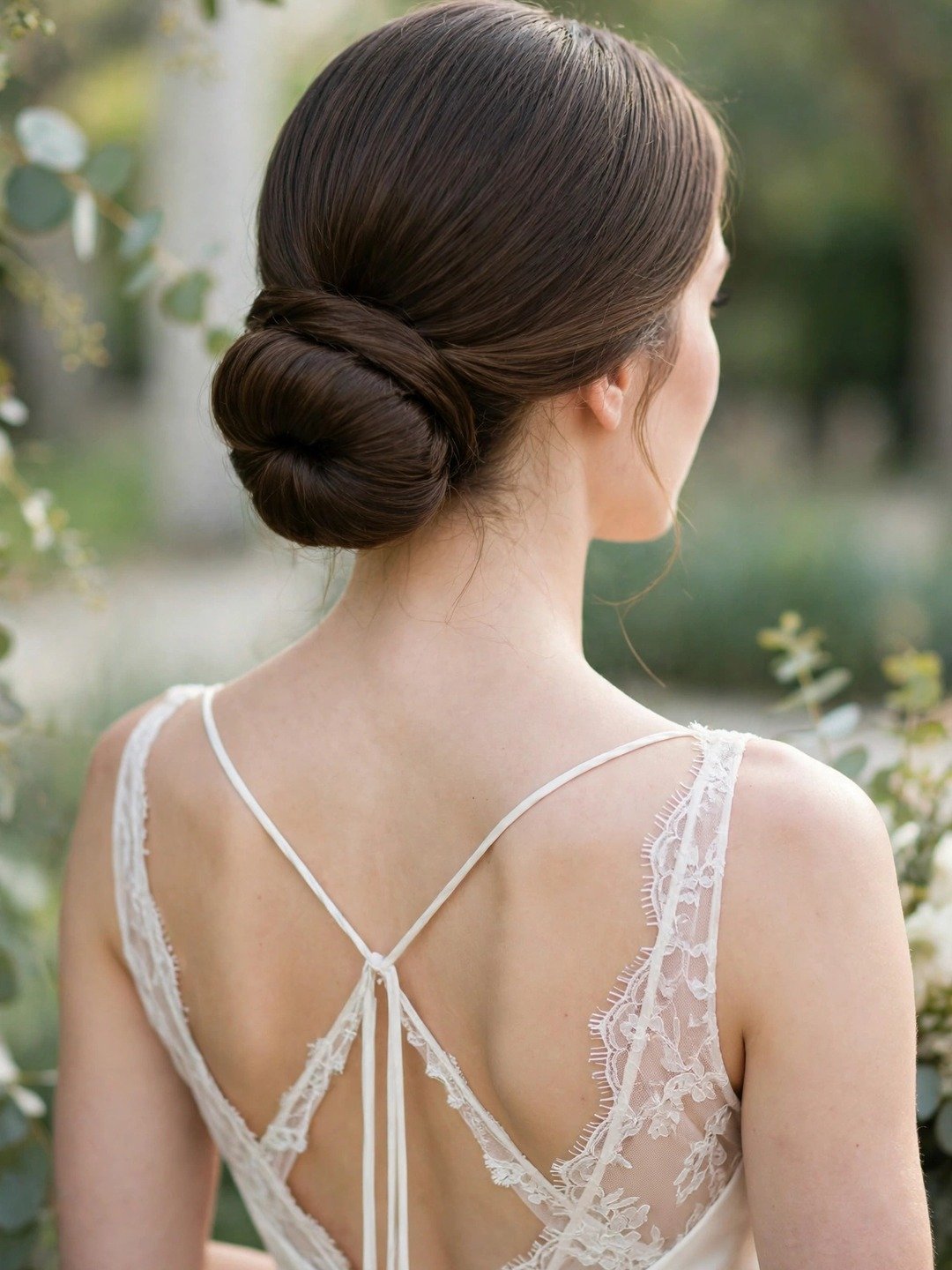
A smooth, rolled bun positioned low at the nape of the neck. It’s timeless, polished, and pairs especially well with backless or low-back dresses, since it keeps the entire back of the dress visible.
Sleek Low Bun
A tighter, more minimalist version of the chignon, pulled back cleanly with little to no volume on top. It’s a strong choice for modern, minimalist gowns and formal venues where a sharp, clean silhouette is the goal.
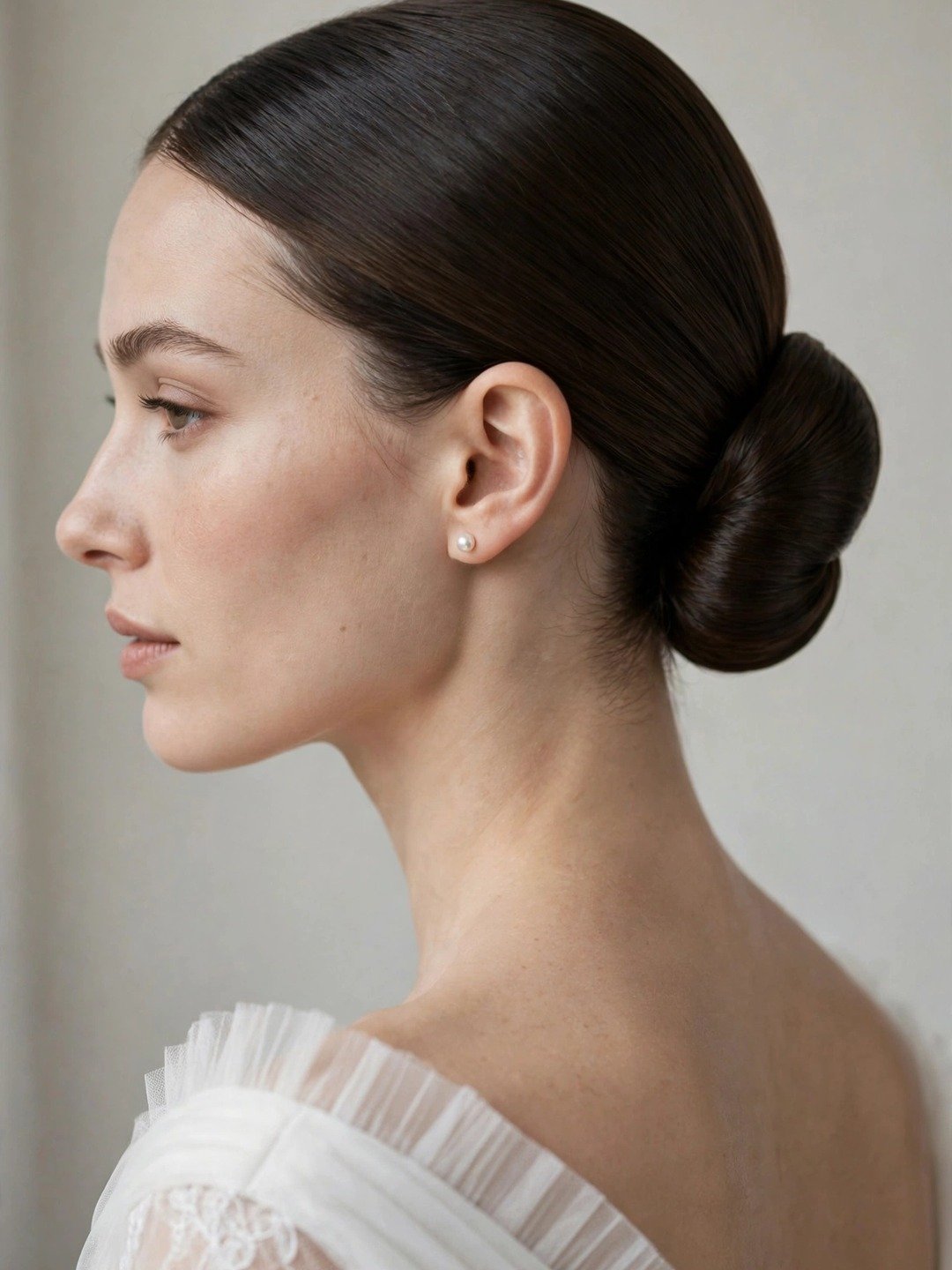
Textured Voluminous Updo
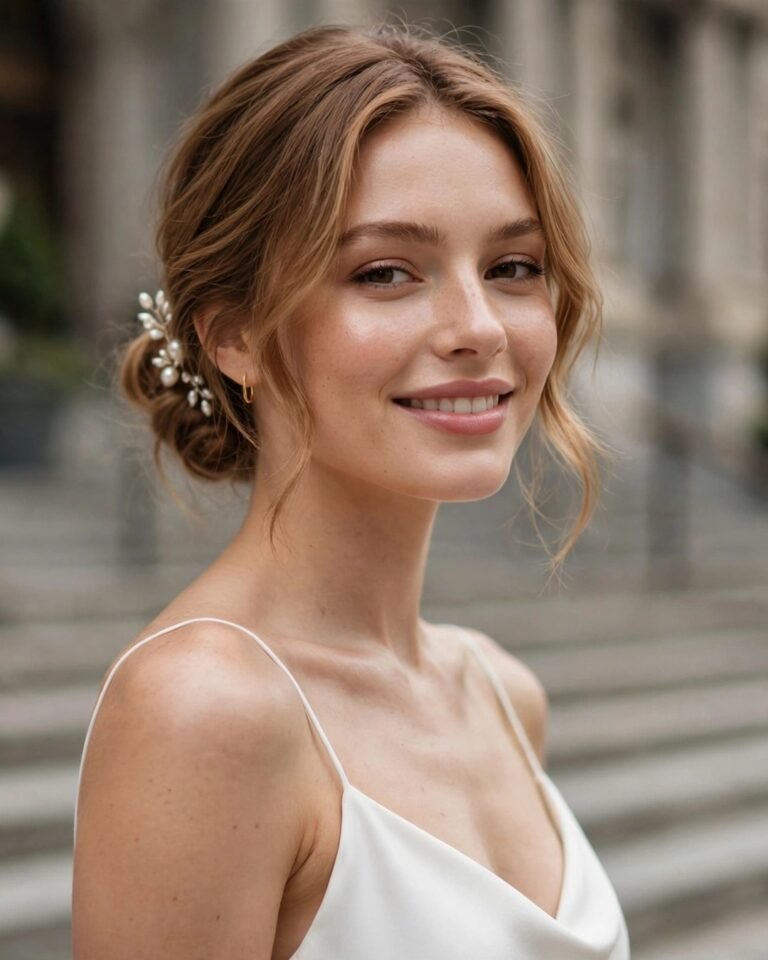
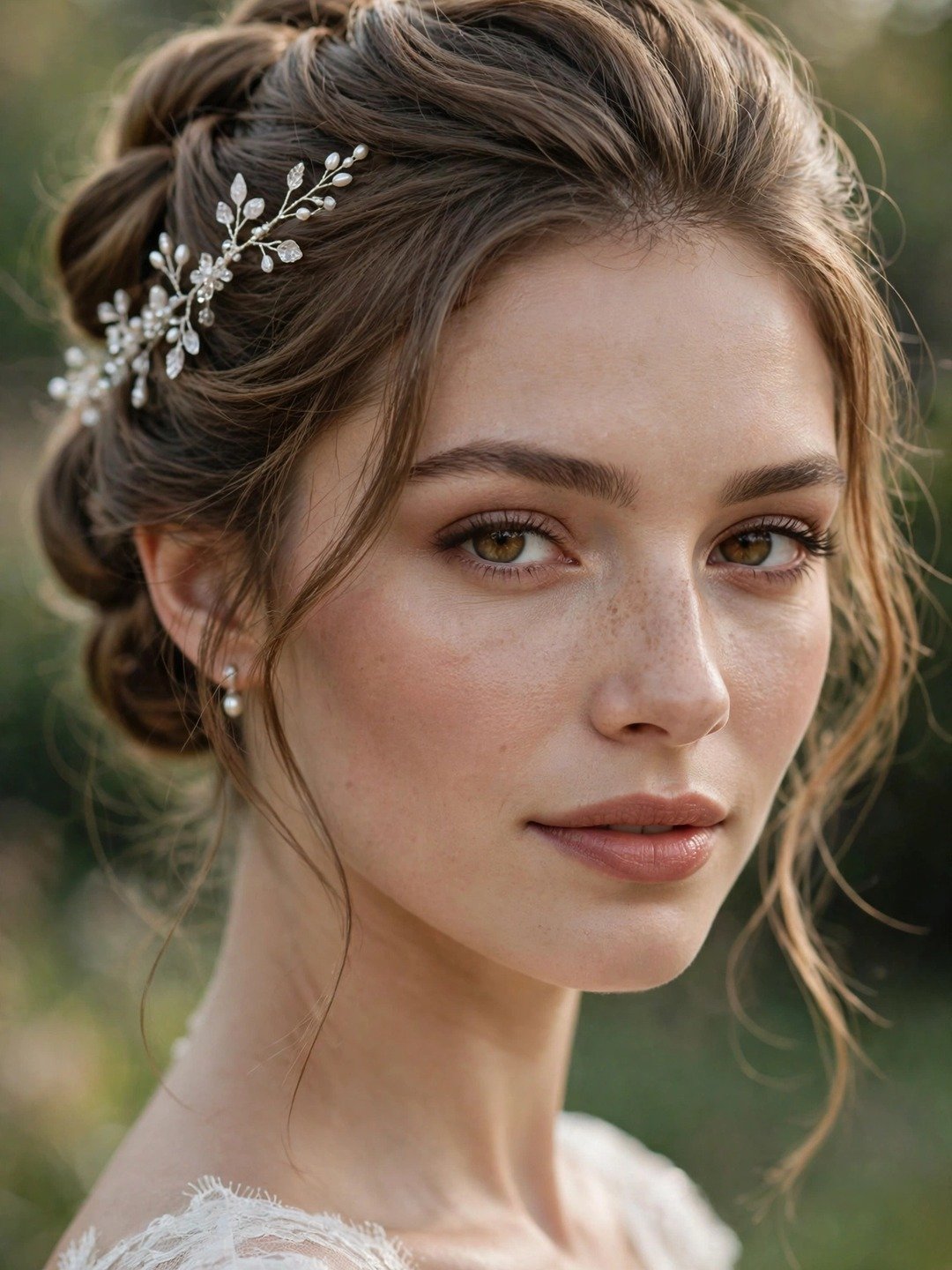
A softer, more romantic updo built with texture and volume rather than a sleek finish. Pieces are often left slightly loose around the crown and face for a relaxed, undone quality. This works well for brides who want an updo without looking overly formal.
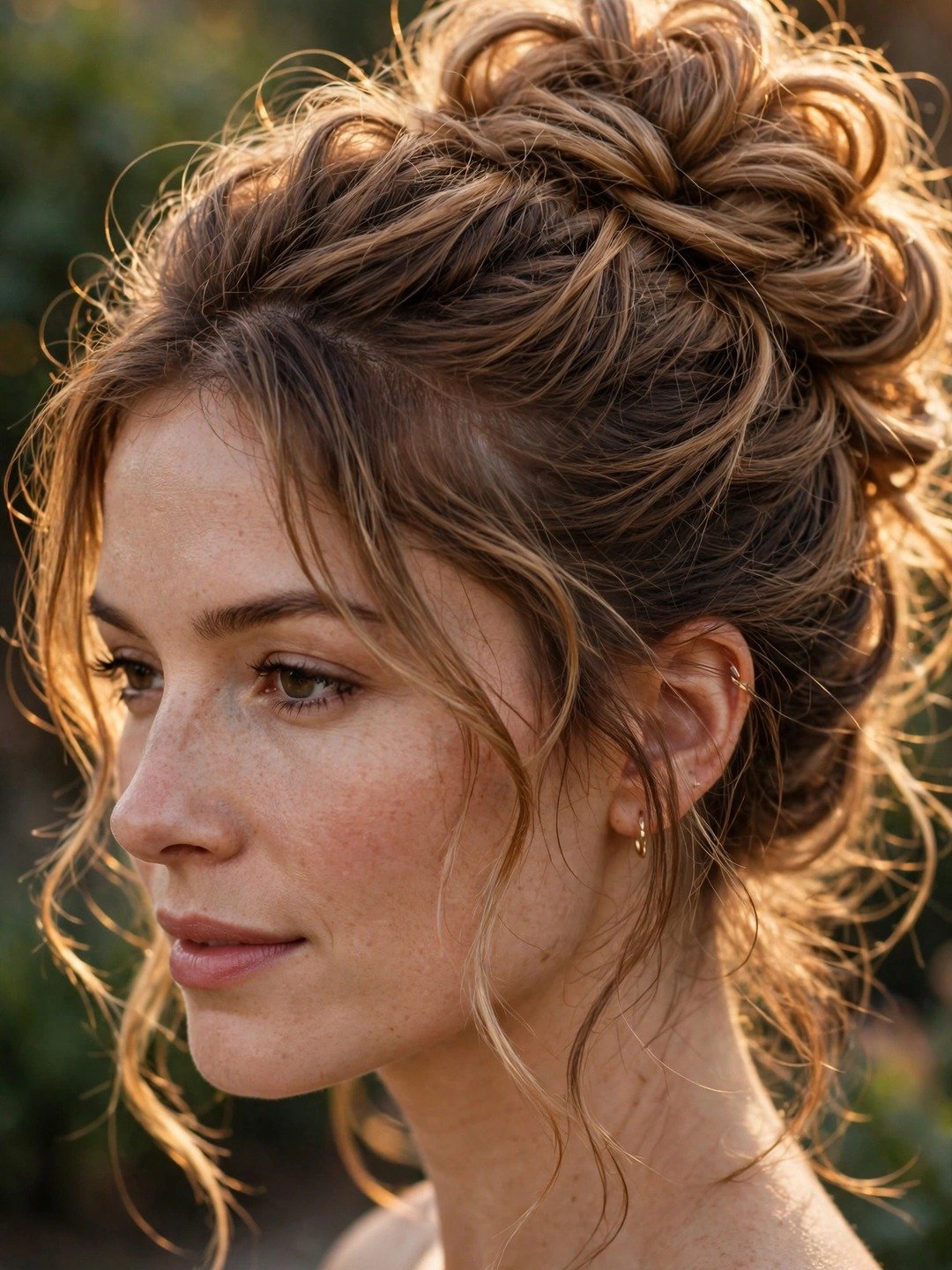
French Twist
A vertical twist running up the back of the head, finished with a smooth, structured silhouette. It’s an elegant, old-Hollywood-leaning option that suits formal dresses and works particularly well with statement earrings, since it keeps the neck and ears visible.
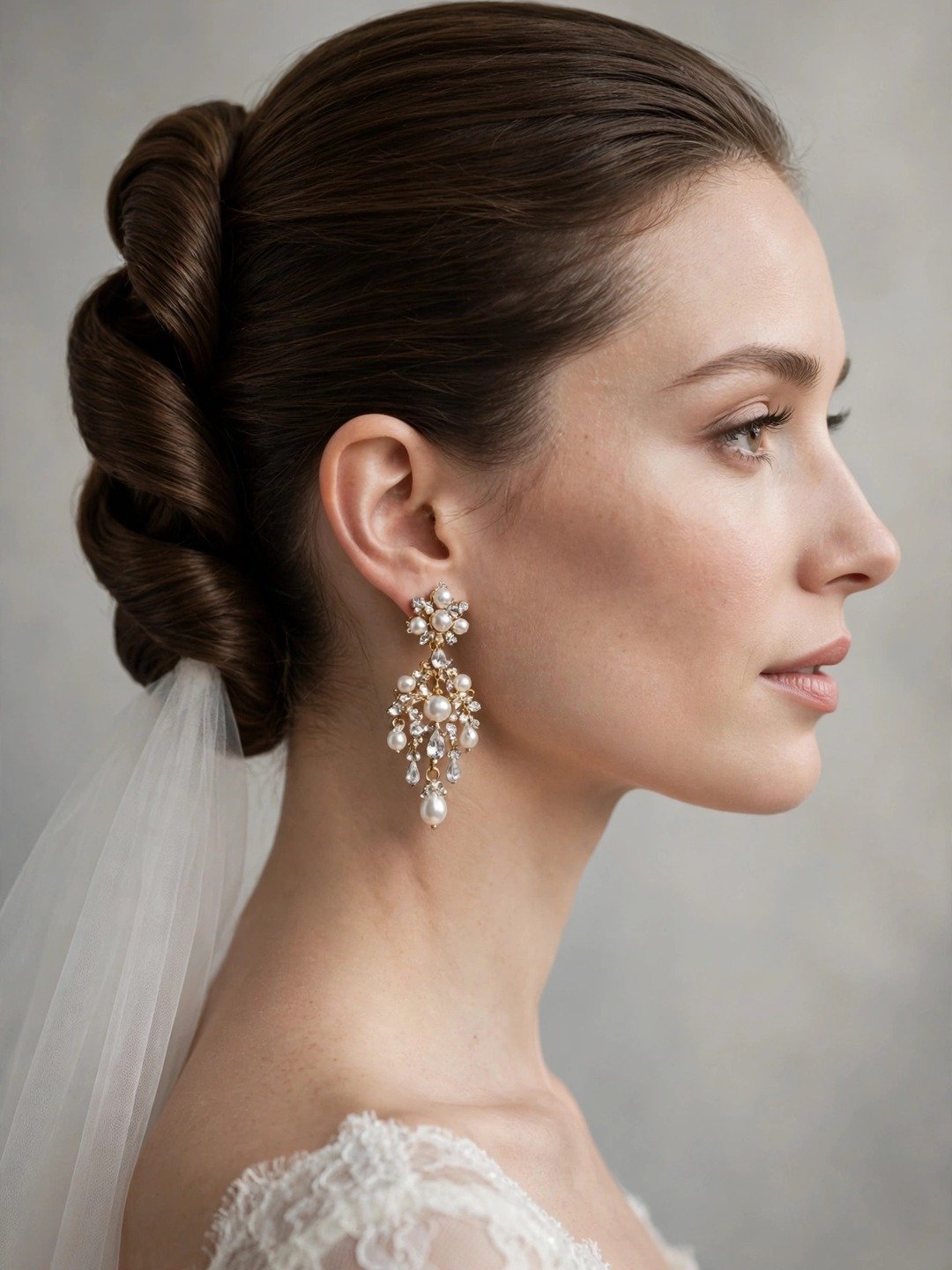
High Sleek Bun or Ponytail
A polished bun or ponytail set high on the head rather than low. It creates a clean, modern silhouette and has become increasingly popular for brides who want a minimalist, editorial look rather than a traditional bridal style.
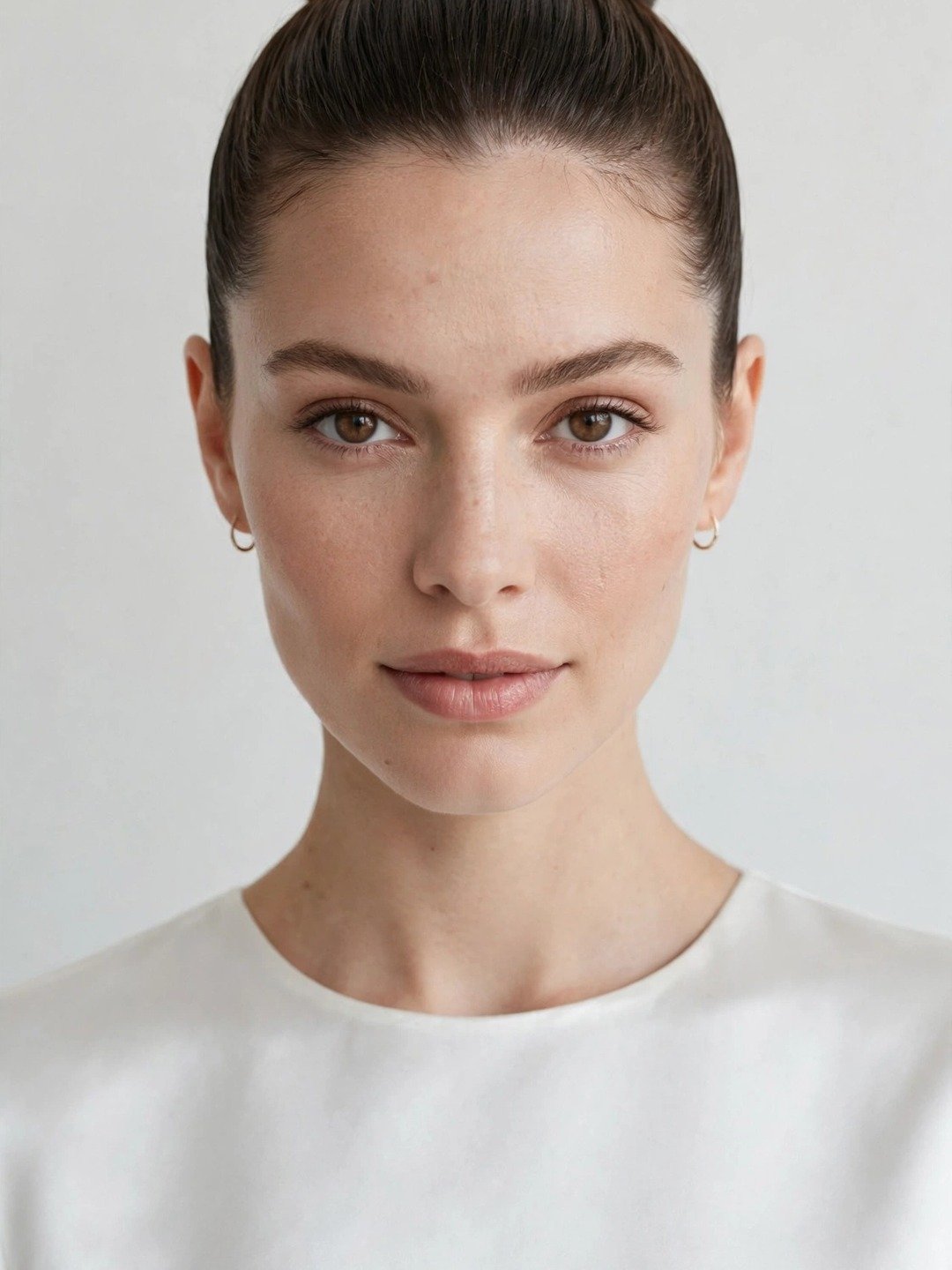
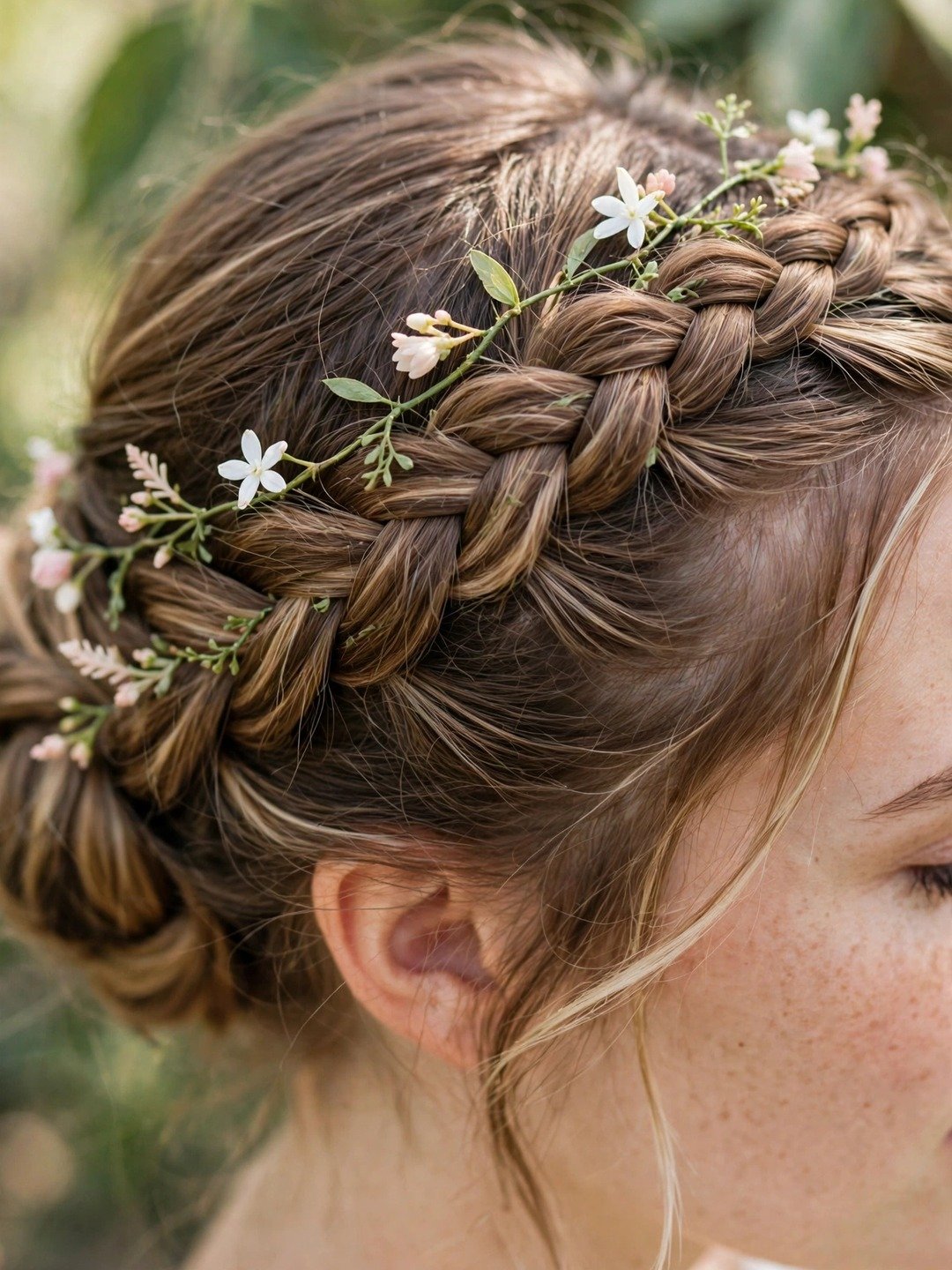
Braided Updo Crown
An updo built from woven braids that wrap around the head like a crown, rather than a smooth bun. It offers more visual texture than a plain updo and works well for bohemian or outdoor weddings, especially paired with a flower crown or delicate hair vine.
Half-Up Styles
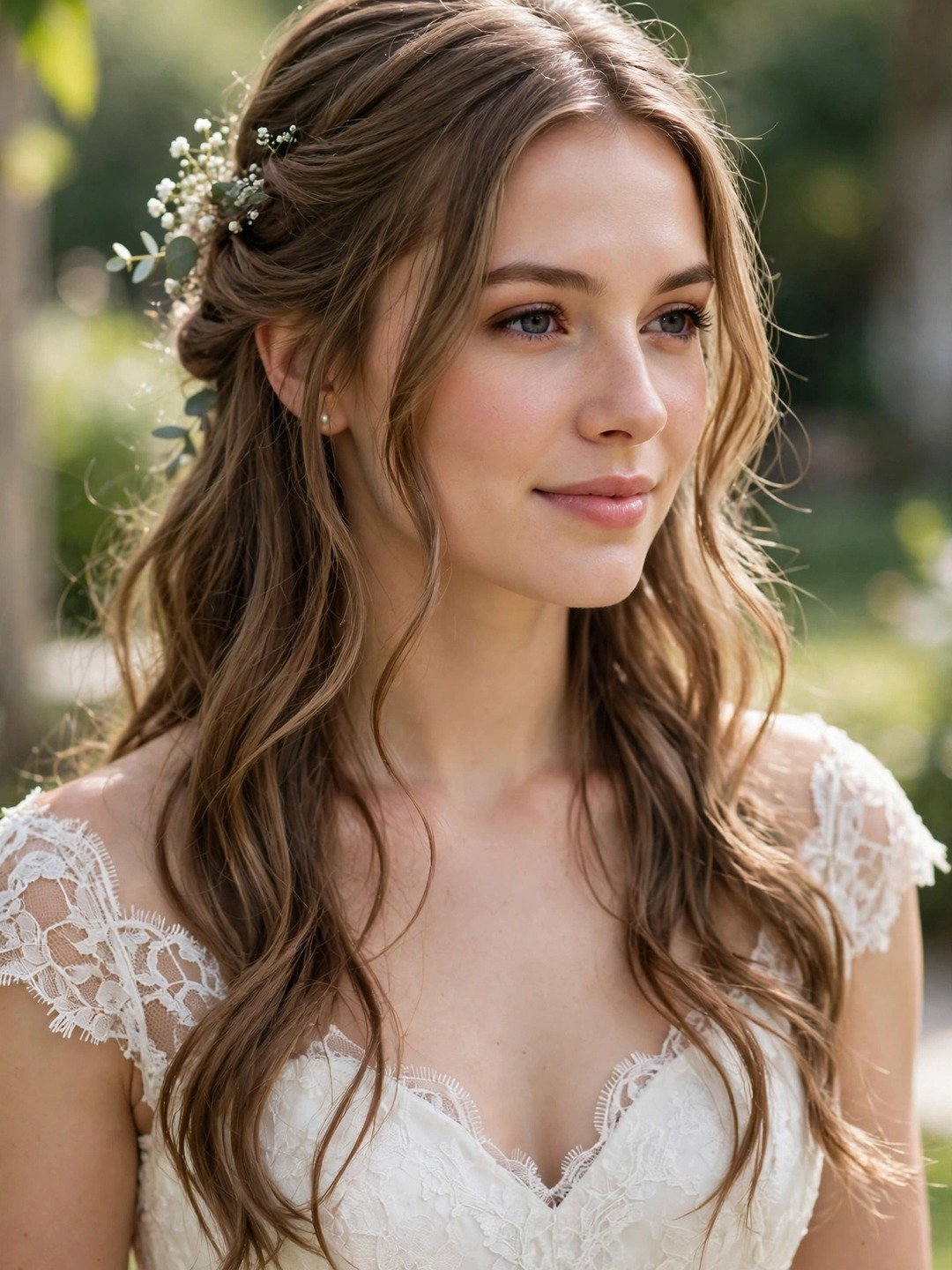
Half-Up with Soft Waves
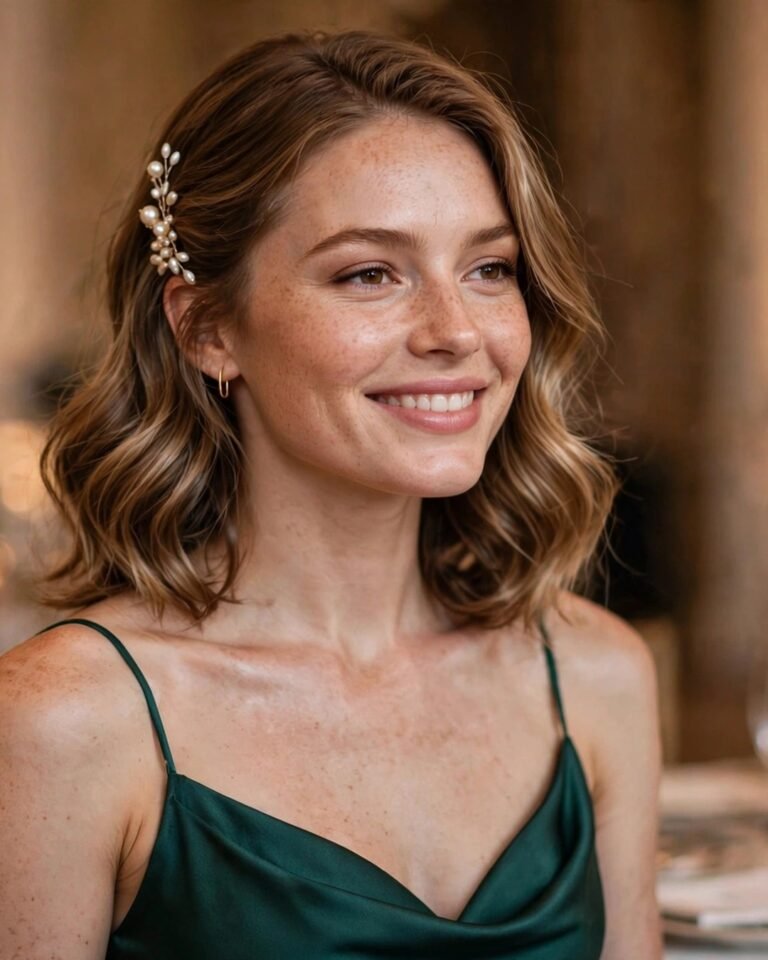
The top section is pulled back and pinned, while the rest falls in soft, loose waves. This is one of the most requested bridal styles because it balances polish with movement, and it works on almost any dress style or venue.
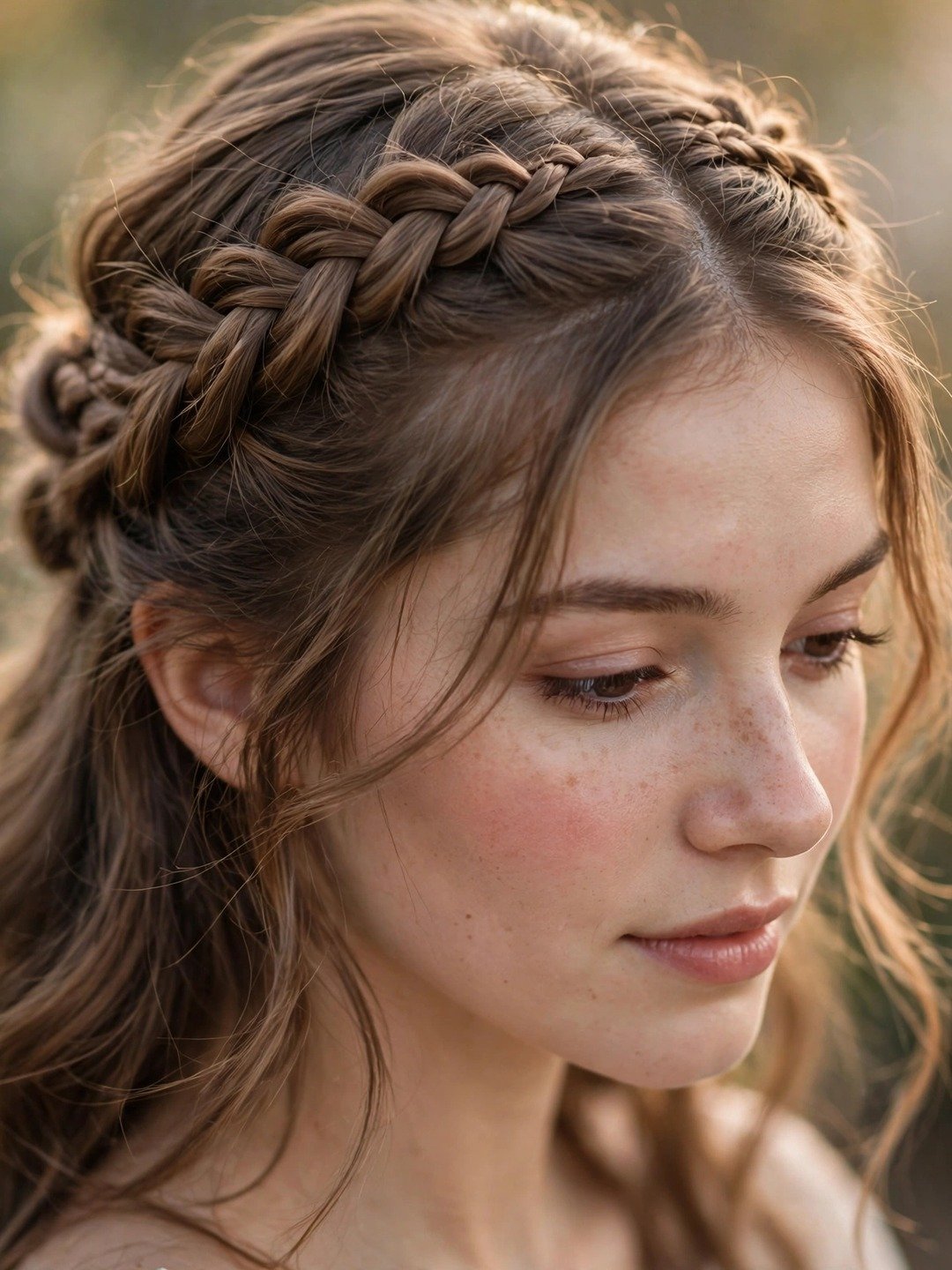
Half-Up with Braided Crown
Similar to the classic half-up style, but the pulled-back section is braided rather than simply twisted or pinned. It adds detail and texture without committing to a full updo, and it photographs well from every angle.
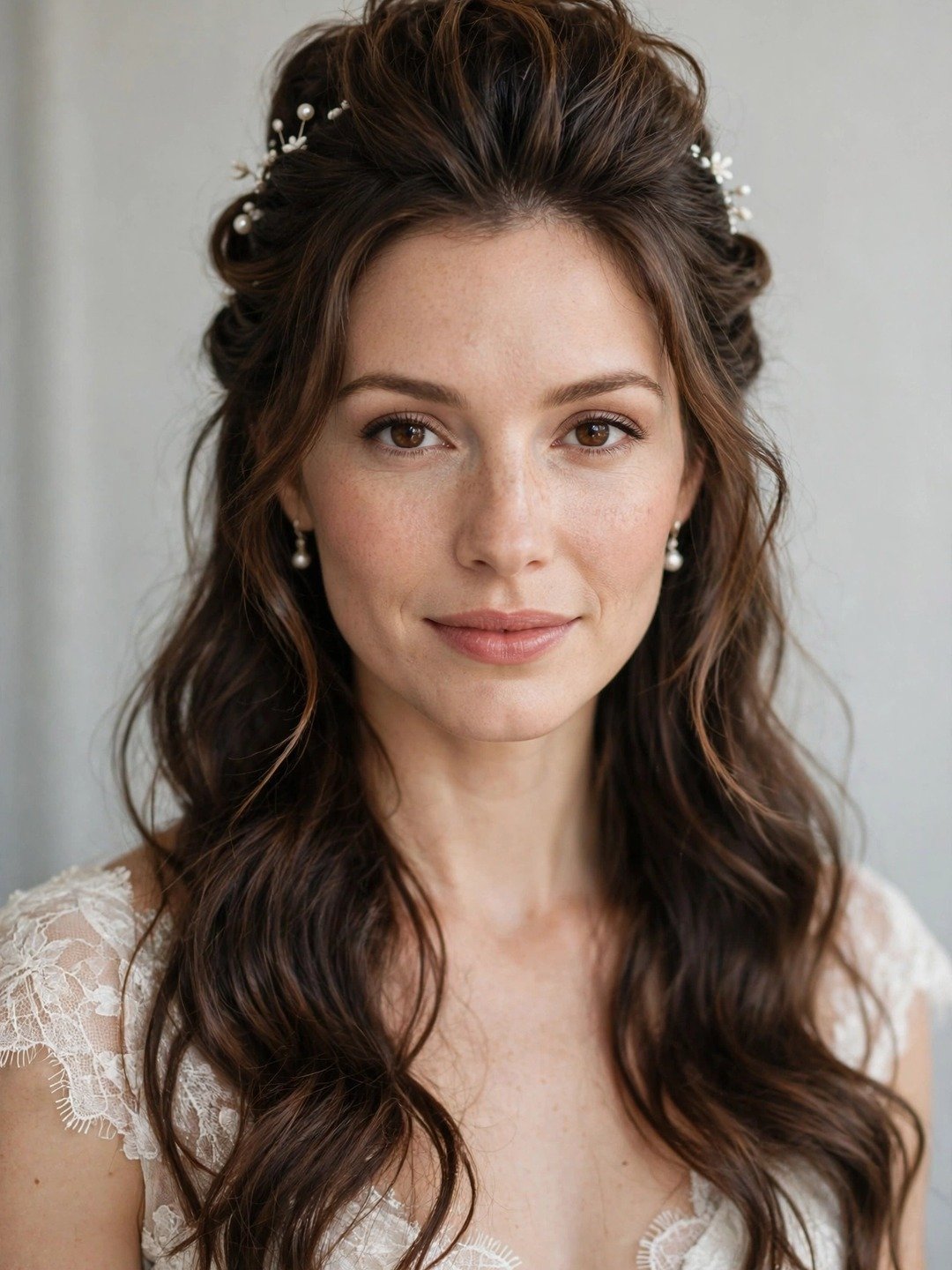
Half-Up with Volume at the Crown
The front and crown sections are lifted and teased slightly for added height and fullness before the rest is left down. This version is especially flattering for round face shapes, since the added height elongates the face.
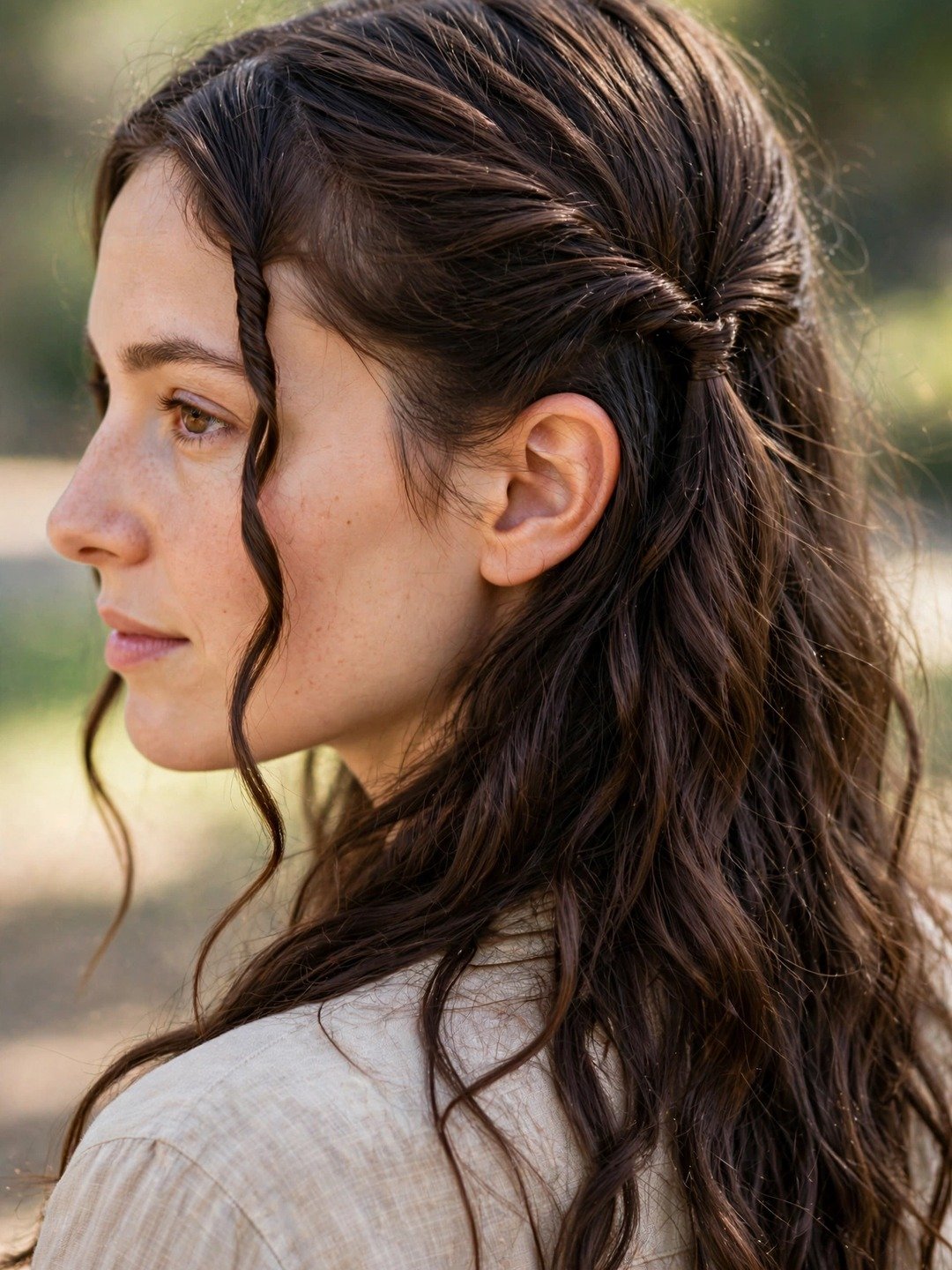
Half-Up Twisted Style
Instead of a simple pinned section, two small twists frame the face and meet at the back before the rest of the hair falls loose. It’s a slightly more detailed take on the half-up look, without moving into full updo territory.
Loose and Down Styles
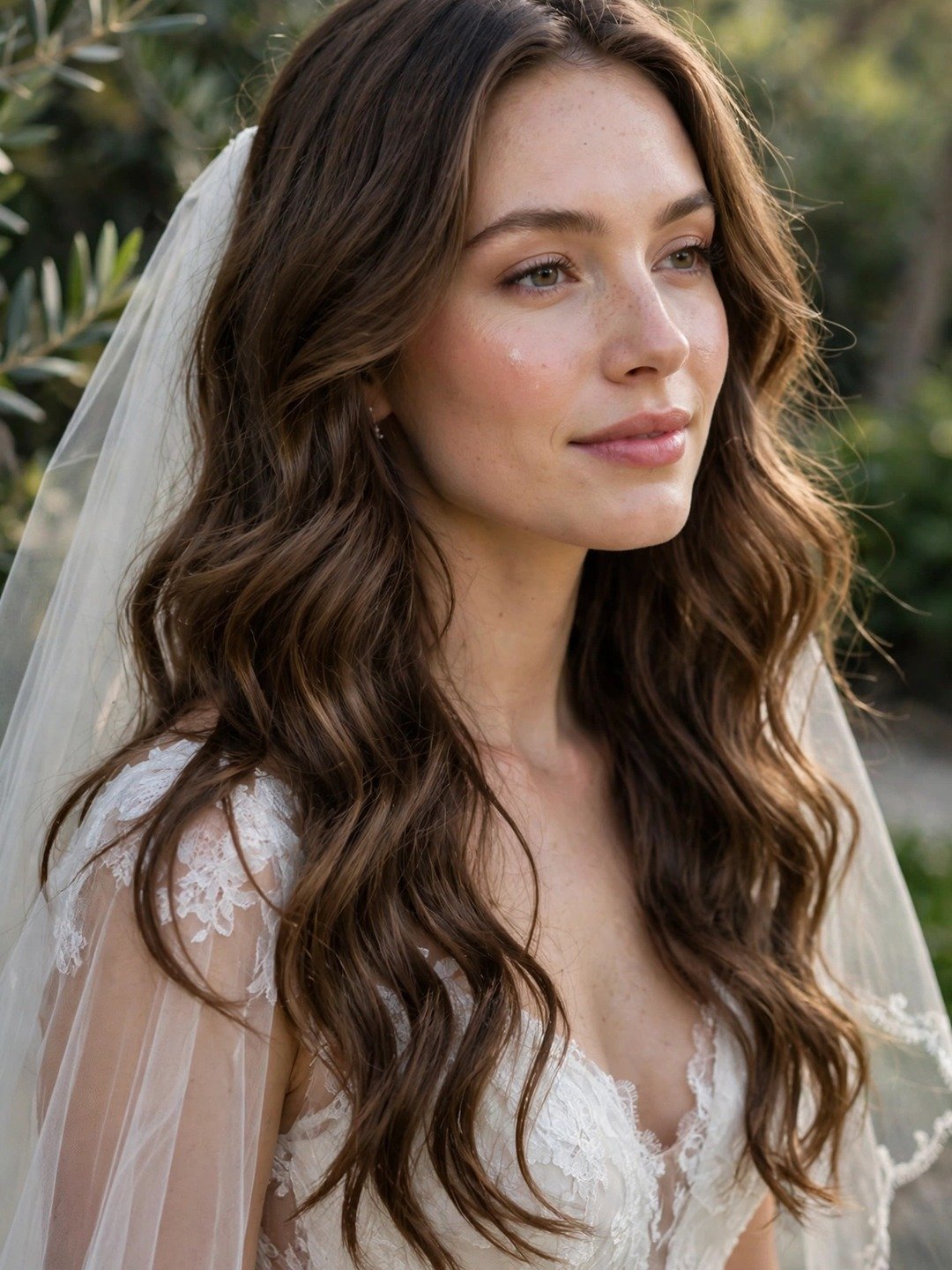
Romantic Loose Waves
Soft, natural-looking waves worn fully down, without much structure or height. This has become one of the defining bridal looks recently, favoring a glossy, touchable finish over tight, uniform curls.
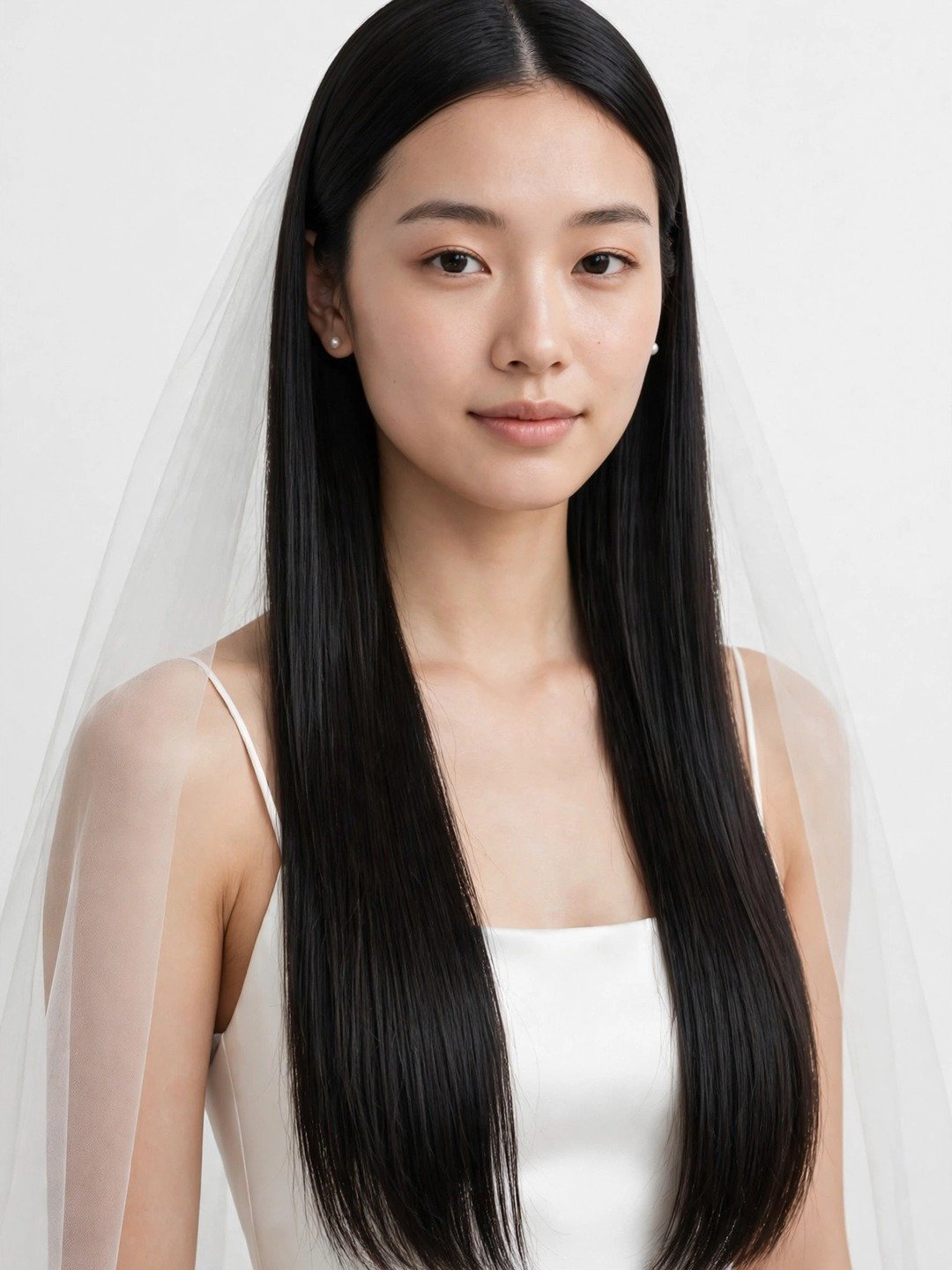
Sleek Straight Down Style
Hair worn completely straight and smooth, without curls or waves. It’s a modern, minimalist option that suits brides who want their hair to look effortless and undone-by-design rather than heavily styled.
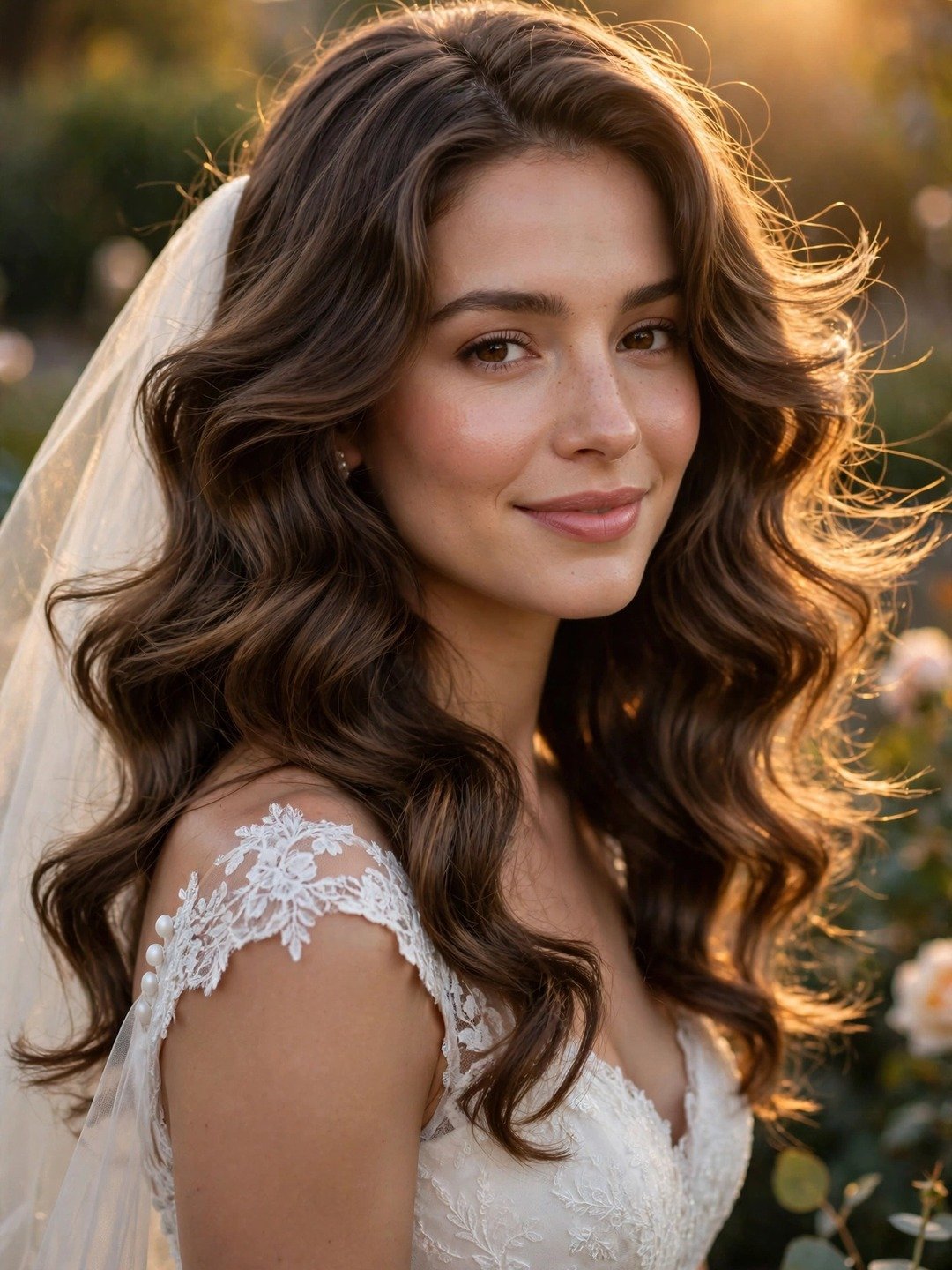
Glossy Blowout Waves
Big, bouncy waves created with a blowout technique rather than a curling iron, giving a soft, voluminous finish with natural movement. It photographs well in both posed and candid shots and holds up nicely through a long reception.
Loose Waves with Tucked Front Strands
Similar to romantic loose waves, but the front pieces are tucked behind the ears or swept back off the face. This keeps hair away from your features during the ceremony while still keeping the overall look soft and natural.
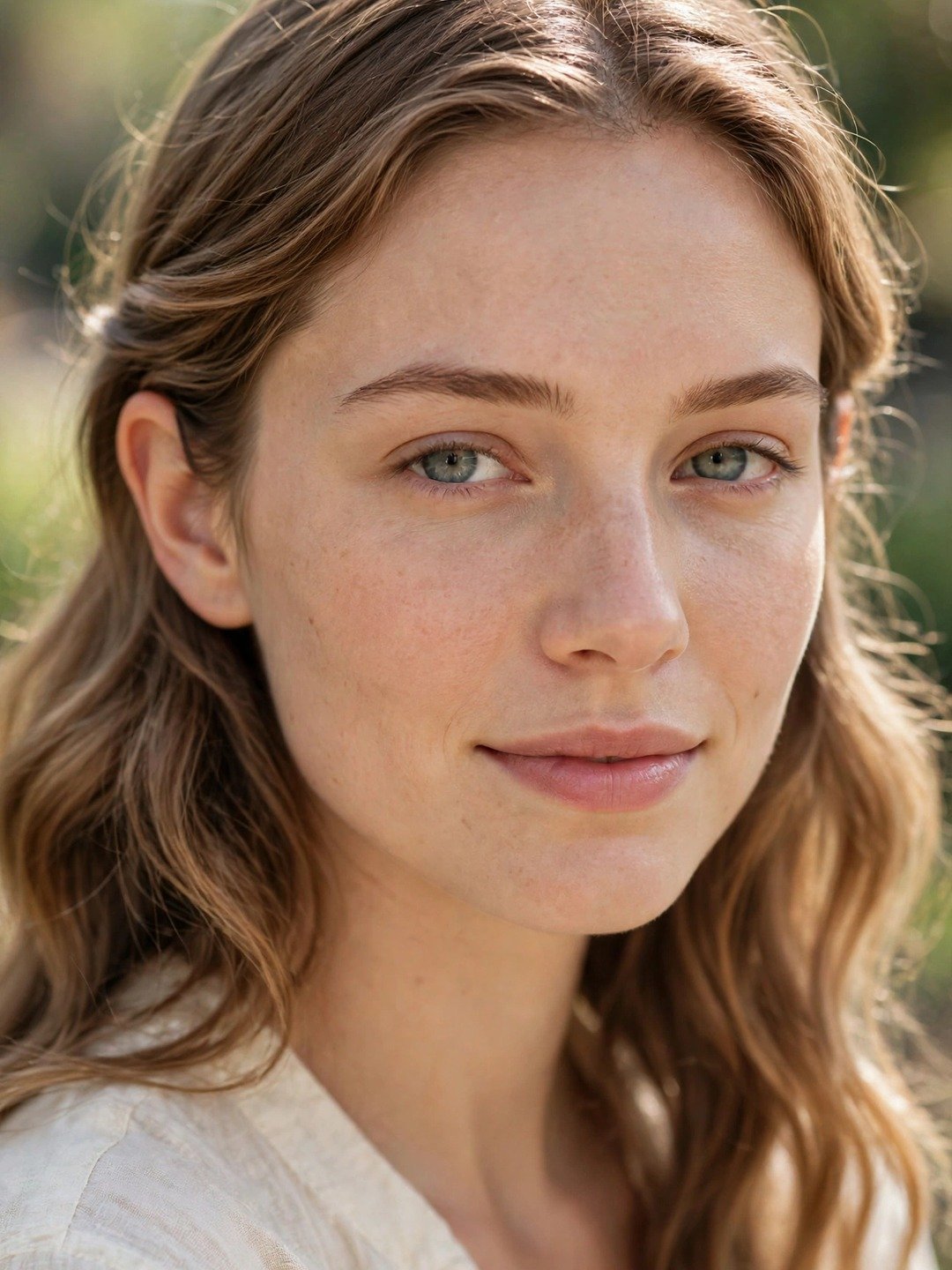
Braided Styles
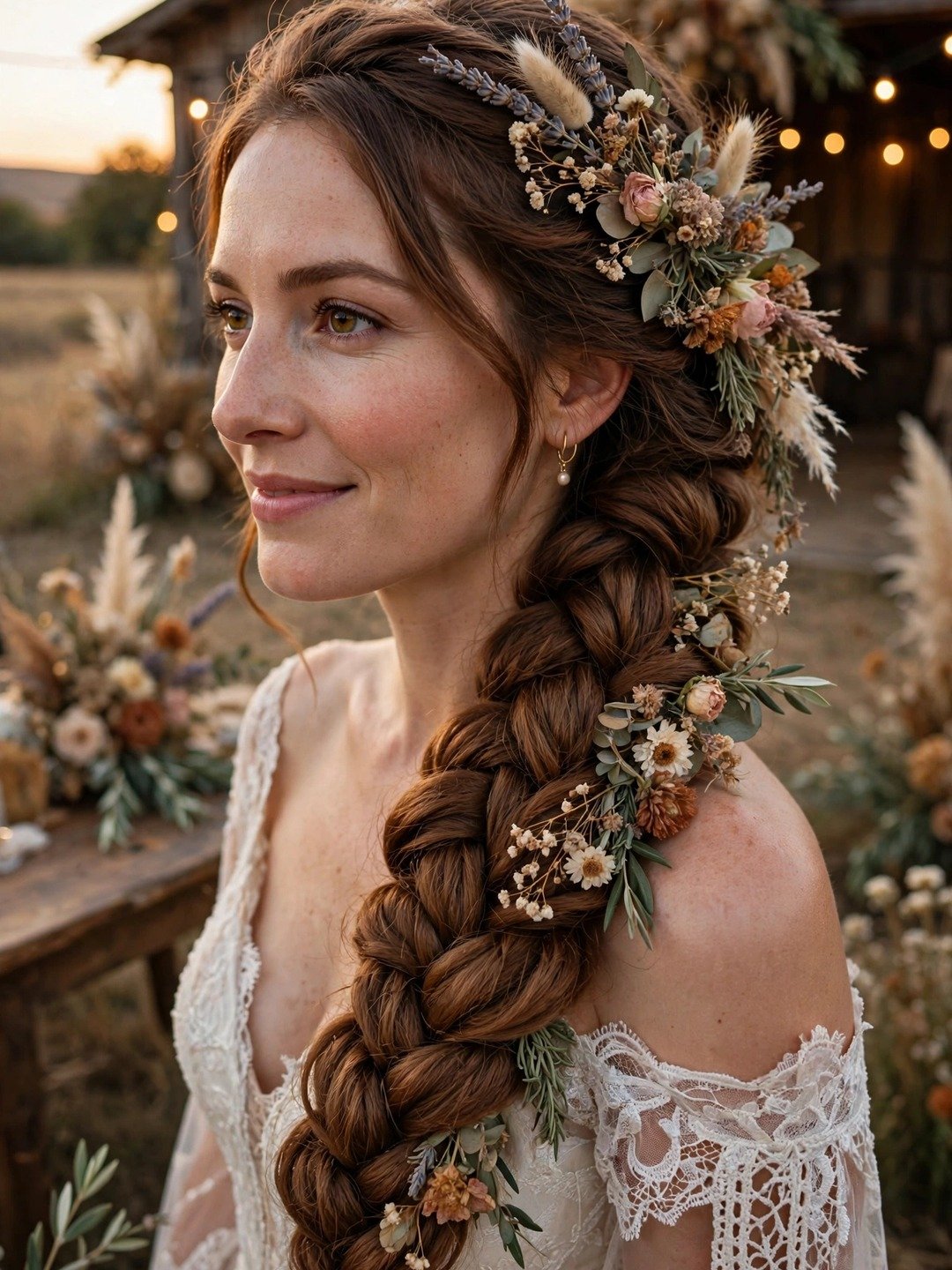
Boho Fishtail Braid
A chunky, textured fishtail braid worn over one shoulder or down the back. It has a relaxed, bohemian feel and works especially well for outdoor or rustic weddings, often paired with a floral hair accessory.
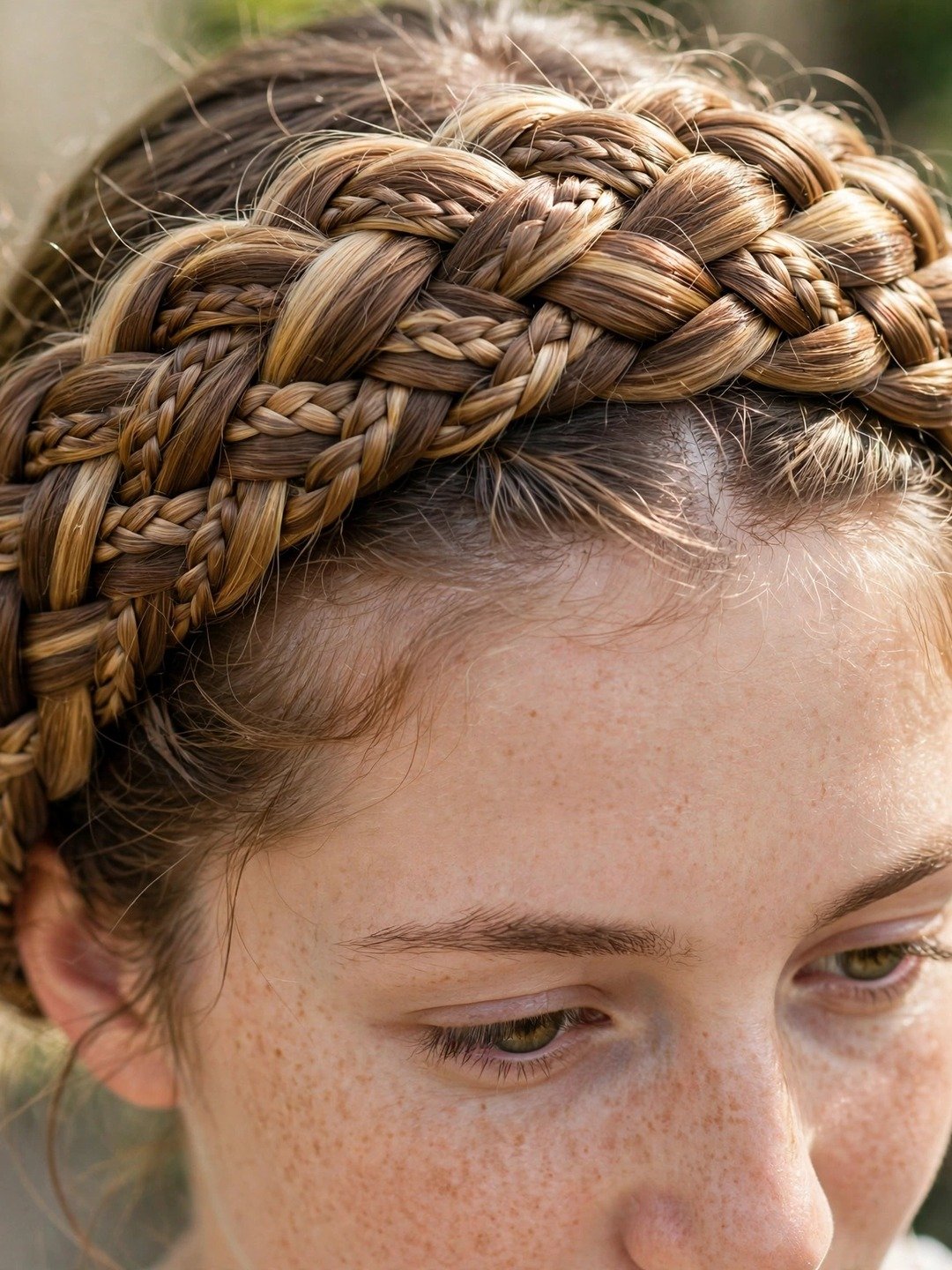
Braided Crown
A braid, or set of braids, wrapped around the head to form a crown shape, with the rest of the hair either tucked in or left loose underneath. It’s a versatile style that can be dressed up for a formal wedding or kept simple for a casual one.
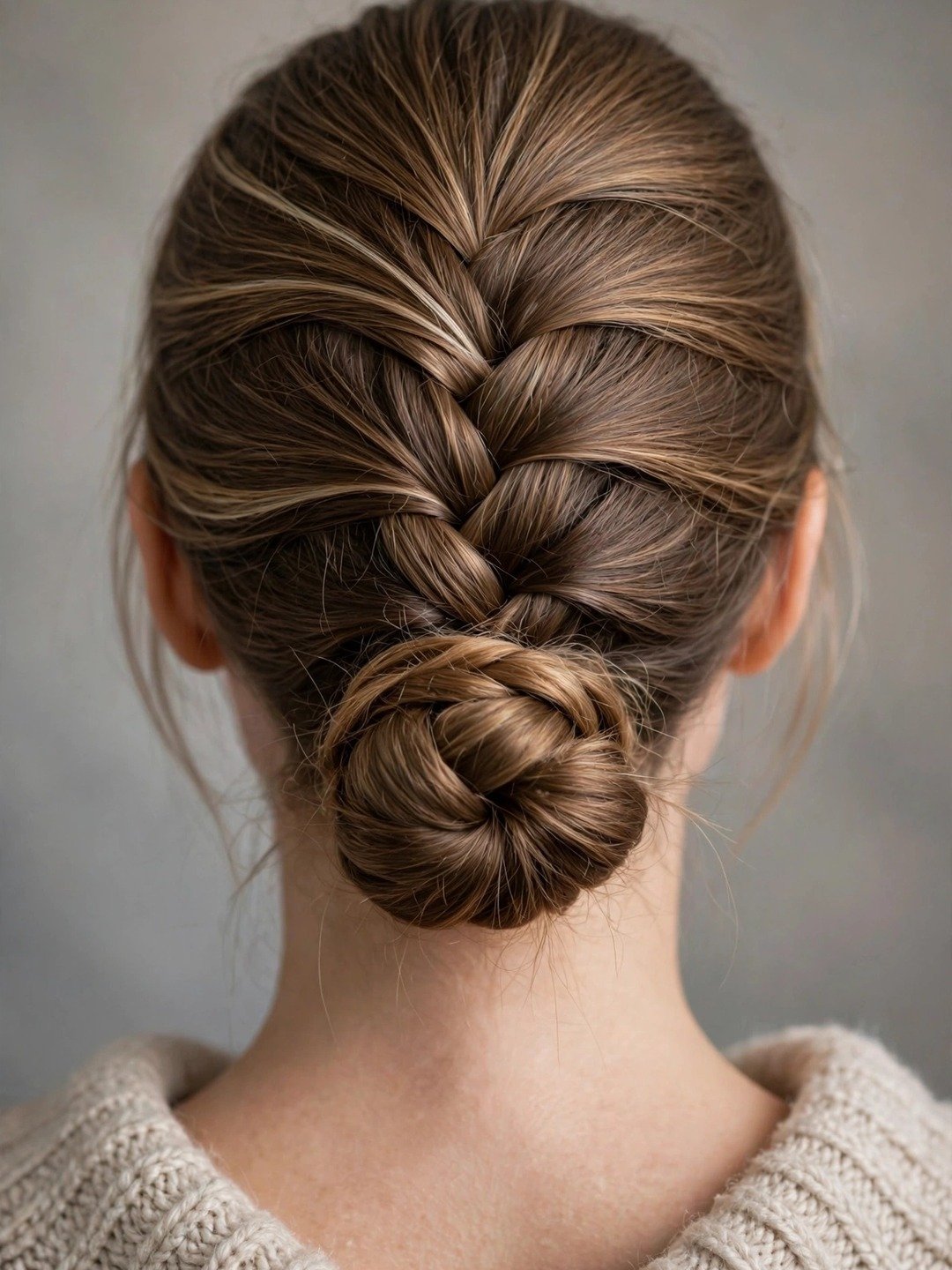
Dutch Braid into Low Bun
A Dutch braid starting at the crown and leading into a low bun at the nape. It combines the texture of a braid with the polish of an updo, giving a slightly more detailed look than a plain chignon.
Short Hair Bridal Styles
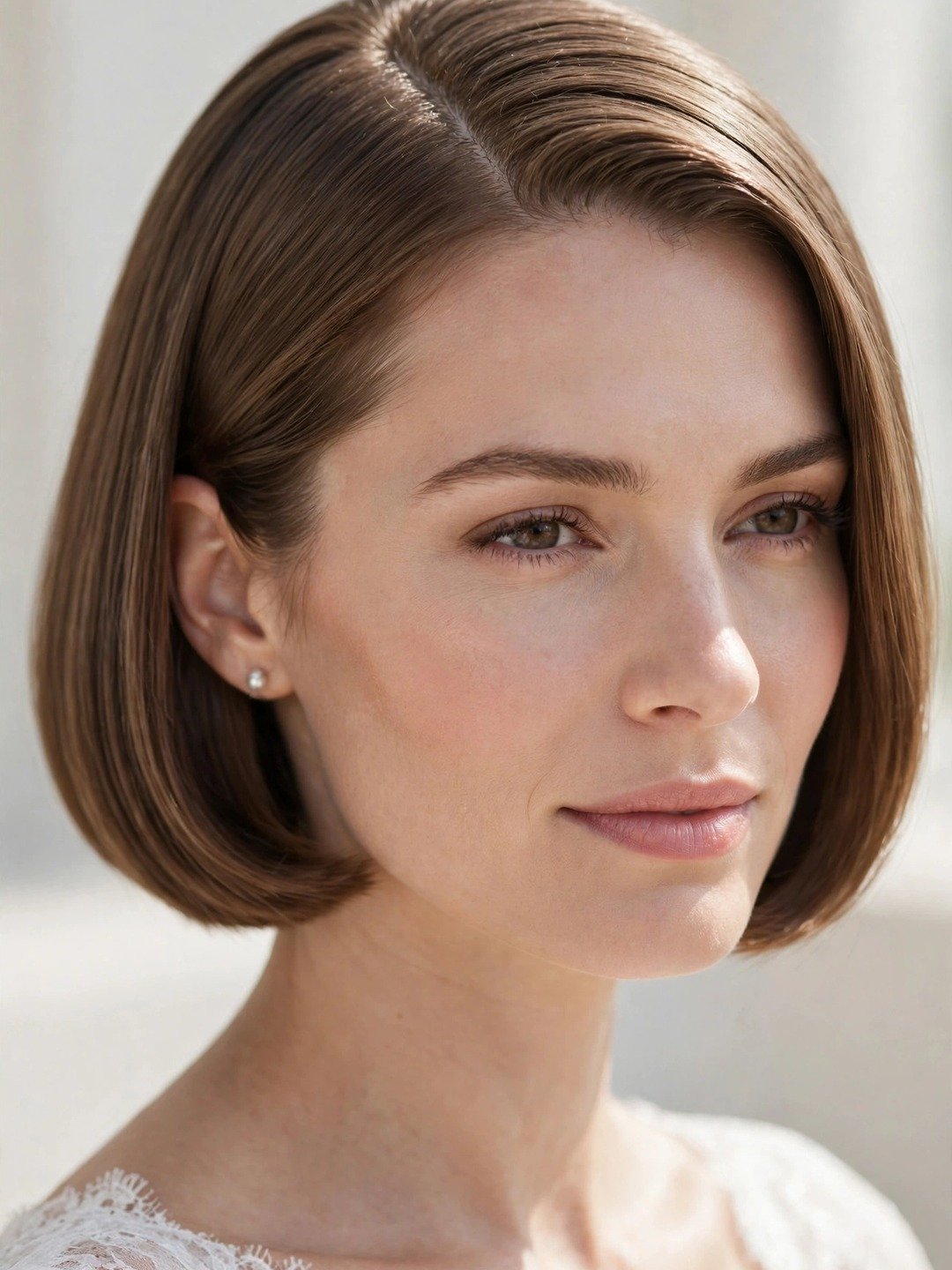
Sleek Bridal Bob
A polished, smooth bob worn as-is, sometimes with a deep side part for added structure. Short hair doesn’t need to be pinned up to look bridal, and a clean, well-styled bob can look just as intentional as an updo.
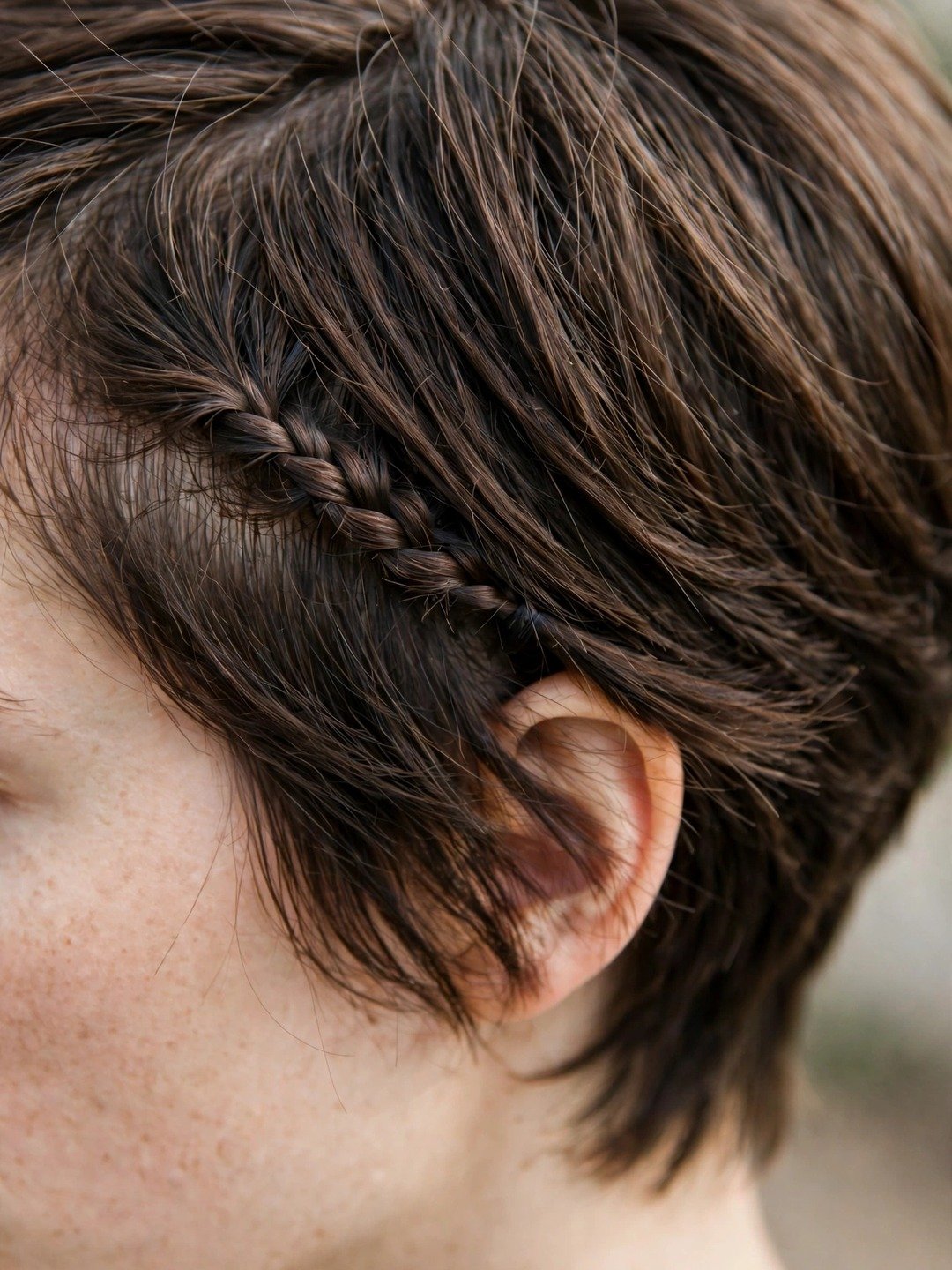
Short Hair with Side Braid Accent
A small side braid added to an otherwise down, short hairstyle. It adds a bridal detail without requiring enough length for a full updo, making it a good option for chin-length to shoulder-length hair.
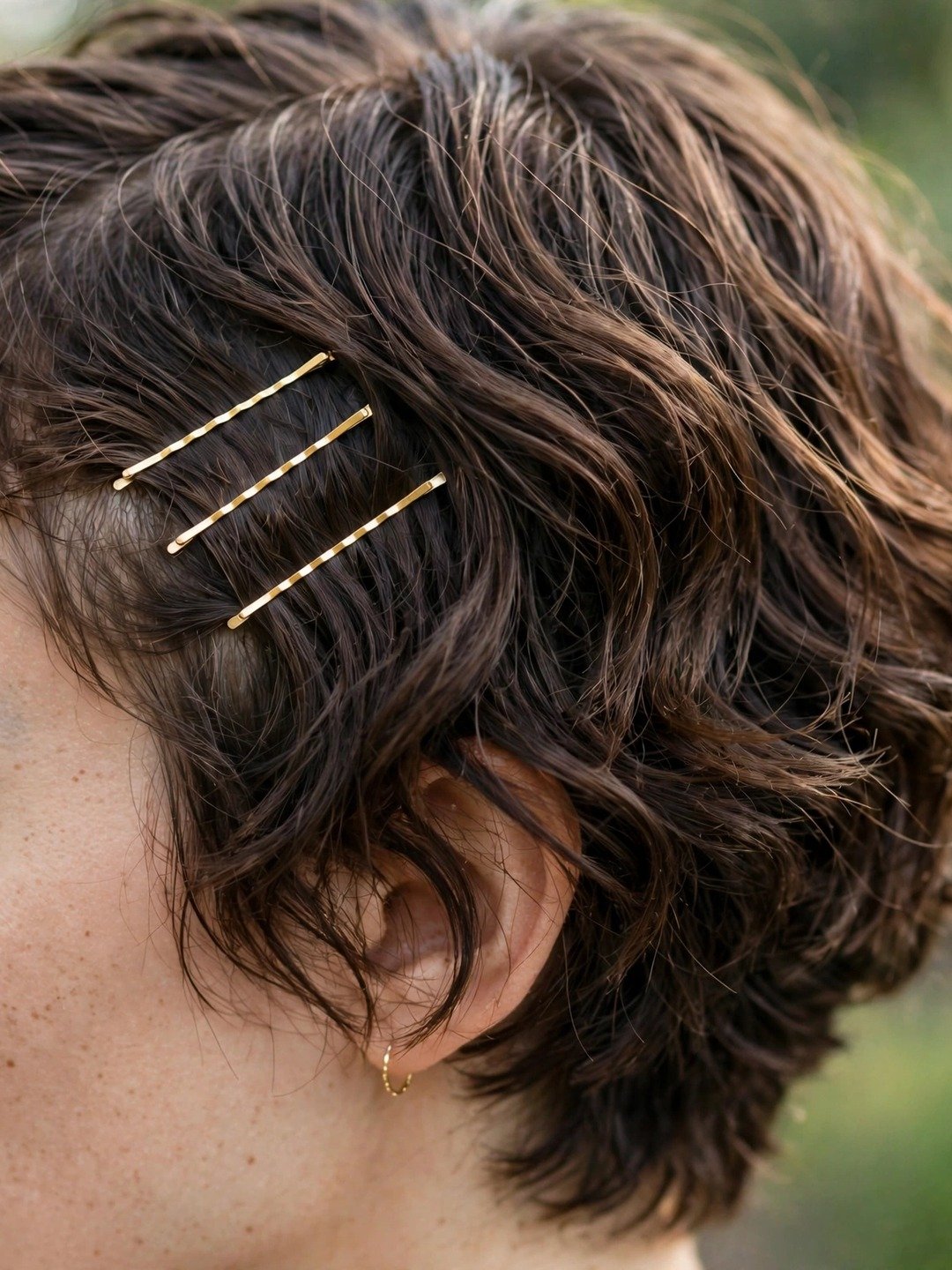
Pinned-Back Waves for Short Hair
Soft waves with the front sections pinned back off the face, similar to a half-up look but adapted for shorter lengths. It keeps hair off the face during the ceremony while still showing movement and texture.
Hair Trial and Booking Timeline
Bridal hair logistics matter as much as the style itself, since popular stylists book up fast.
- Book your wedding-day stylist: 8 to 10 months before the wedding, earlier if you’re marrying during peak season (spring or fall in most regions).
- Book your hair trial: 2 to 4 months before the wedding, close enough that your hair length and color will match the wedding day, but early enough to make changes if needed.
- Bring to your trial: A photo of your dress or a similar neckline, your veil or hair accessory if you have one, and reference photos of the exact style you want.
- How long updos hold: Generally 8 to 12 hours without touch-ups, which is usually enough for a full ceremony and reception.
- How long loose waves and curls hold: Less than an updo, so many brides bring a small touch-up kit (bobby pins, a travel-size hairspray, and a small brush) for later in the reception.
Cost Breakdown
Wedding hair and makeup pricing varies significantly by location and stylist experience, but general ranges are useful for budgeting.
- Hair trial: Roughly $100 to $300, though some artists credit part of this toward your wedding-day cost if you book them.
- Wedding-day hair styling (bride only): Often falls within a $150 to $400 range depending on the complexity of the style and whether the stylist travels to your venue.
- Combined hair and makeup for the bride: The average US bride spends between $300 and $600 on wedding-day hair and makeup combined, according to industry survey data.
- Full bridal beauty budget: Once you add a trial and styling for bridesmaids or family, most couples set aside $800 to $2,000 total.
Treat these as planning ranges rather than fixed quotes, since pricing shifts by region and by how many people in your party need styling.
Frequently Asked Questions
How far in advance should I book my bridal hairstylist?
Most experts recommend 8 to 10 months before the wedding, especially if you’re getting married during a popular season, since experienced bridal stylists book up quickly.
When should I schedule my hair trial?
Generally 2 to 4 months before the wedding. This is close enough that your hair length and color will match the wedding day, but early enough to make adjustments or book a second trial if something isn’t right.
Will my updo last through the whole wedding day?
A well-pinned updo typically holds for 8 to 12 hours without touch-ups, which covers most ceremonies and receptions. Loose waves tend to soften faster, so a small touch-up kit is worth having on hand.
Can I still have a bridal updo with short hair?
Yes, though options are more limited. Many short-hair brides choose a sleek styled bob, pinned-back waves, or a small braided accent instead of a traditional full updo.
Should I bring my veil to my hair trial?
Yes, if you’re planning to wear one. Veil placement can change how certain updos or half-up styles are built, so it’s best to test it during the trial rather than for the first time on the wedding day.
Final Thoughts
There’s no single “correct” bridal hairstyle, only the one that matches your dress, venue, and how long you need it to hold up. Bring a few reference photos from this list to your hair trial, along with your dress details and any accessories, so your stylist can adjust the placement and finish specifically for your wedding day.