23 Honey Blonde Hair Ideas That Look Warm, Natural, and Expensive
Honey blonde hair is one of the most requested blonde shades right now, and it’s easy to see why. It’s warm, golden, and works on almost every skin tone without looking flat or harsh. If you’re trying to figure out which version of honey blonde is right for you, this guide breaks down 23 real shade ideas, how to pick the one that suits you, and what it actually costs to maintain.
What Is Honey Blonde Hair, Exactly?
Honey blonde sits between golden blonde and caramel on the color chart. It’s light in level, warm in tone, and has a soft golden reflect, almost like the color of real honey. Unlike flat, one-note blonde, honey blonde usually has some depth to it, with slightly darker roots or lowlights blending into lighter, honey-toned ends.
It’s not one single shade. It can lean light and buttery, or deep and rich, depending on how much lift your hair needs and how warm you want to go.
How to Pick Your Shade by Skin Tone
Before picking a look from the list below, it helps to know your undertone.
- Warm undertones (gold or peachy undertones, tan easily): Go bolder. Golden honey, caramel honey, and dark honey blonde will look the most natural on you.
- Cool undertones (pink or blue undertones, burn easily): Choose a softer honey-beige or neutral honey blonde so the color doesn’t clash with your skin.
- Neutral undertones: You have the most flexibility and can pull off almost any shade on this list.
If you’re not sure of your undertone, look at the veins on your wrist. Greenish veins usually mean warm undertones. Bluish or purple veins usually mean cool undertones.
23 Honey Blonde Hair Ideas to Try
Light Honey Blonde Looks
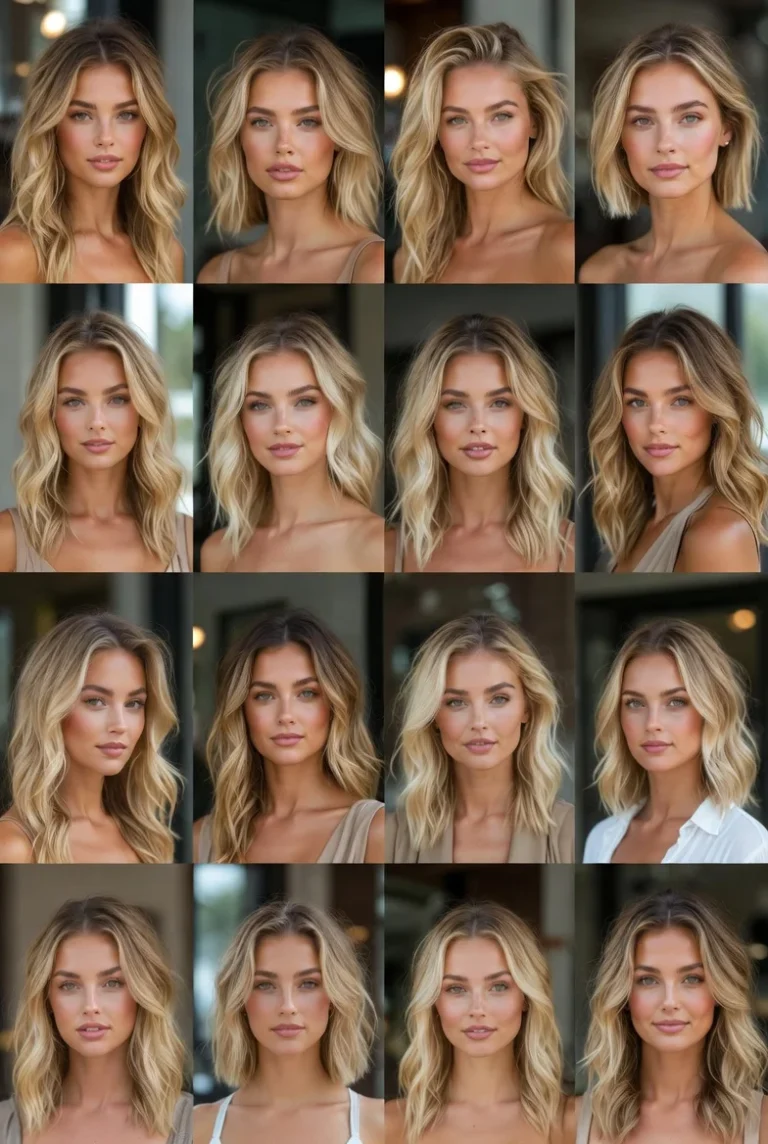
Light Honey Blonde All-Over Color
This is the brightest option on the list, but it still keeps a golden warmth so it never looks icy or artificial. It’s created with a full lightening process, so it works best if your natural hair is already light brown or blonde, since darker hair needs more sessions to get here safely. It suits fair to medium skin tones with warm or neutral undertones, and it pairs especially well with lighter eyes. Because it’s an all-over color, root touch-ups will be needed fairly often to keep the line from your natural color looking clean.
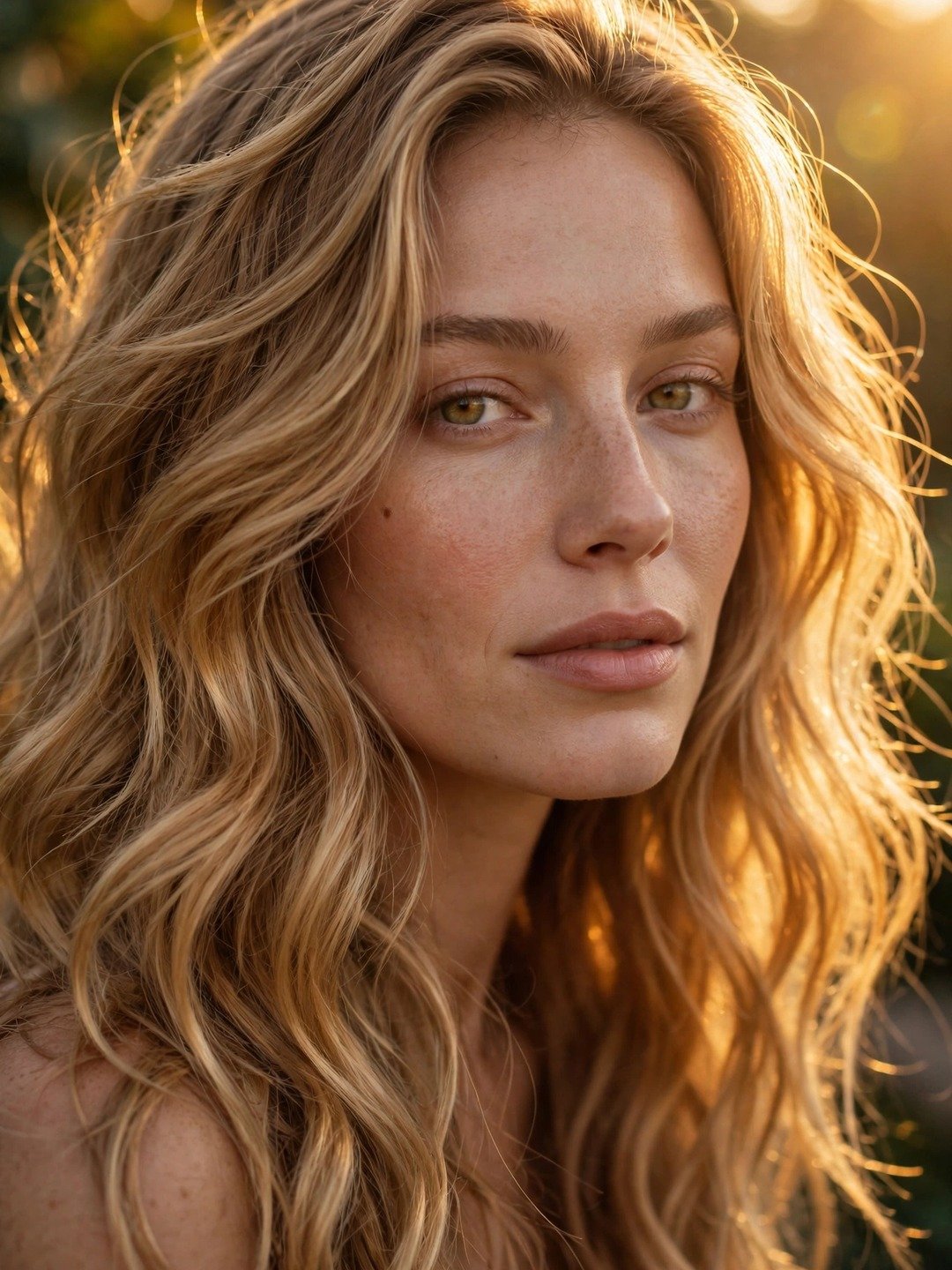
Honey Blonde Babylights
Babylights use very fine, hair-thin highlights placed close to the root, mimicking the way a child’s hair naturally lightens in the sun. The result is subtle and soft rather than streaky, and it grows out gracefully since there’s no harsh regrowth line. This is a good option if you want to ease into blonde without a dramatic change, or if you have naturally fine hair that shows chunkier highlights too obviously.
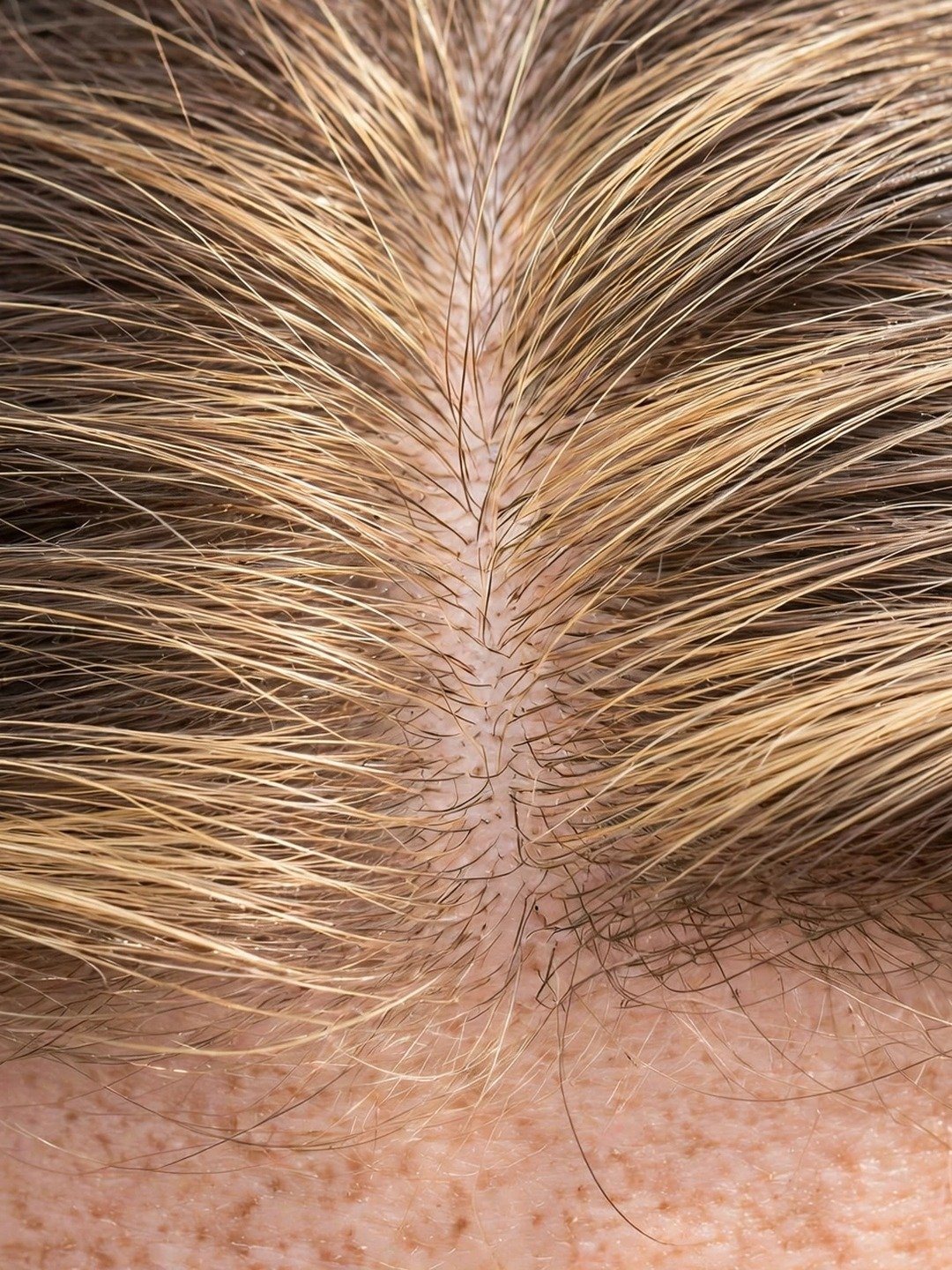
Honey Blonde Money Piece
A money piece is a bold highlight placed right around the face, usually starting from the part and framing one or both sides. It brightens your complexion and draws attention to your eyes without touching the rest of your hair. It’s a popular low-commitment option because you can keep your natural base color everywhere else, and it’s relatively quick to maintain since it’s just one section.
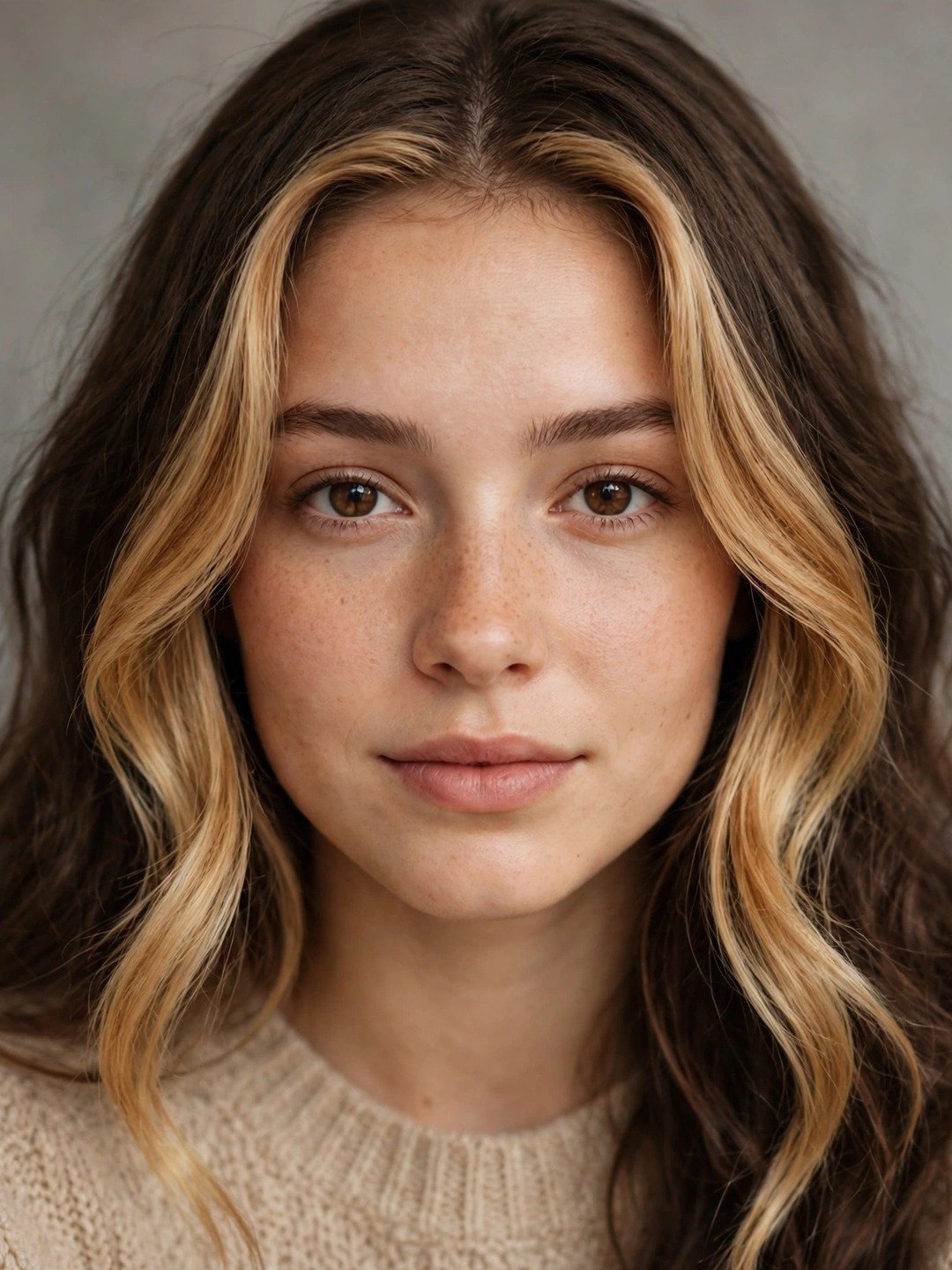
Champagne Honey Blonde
This is a cooler, creamier version of honey blonde, closer to a pale gold with less obvious orange or amber warmth. It works particularly well on cool or neutral undertones that would otherwise clash with a stronger honey shade. Champagne honey blonde tends to look most flattering on lighter starting hair, since it needs a lot of lift to read as pale and creamy rather than brassy.
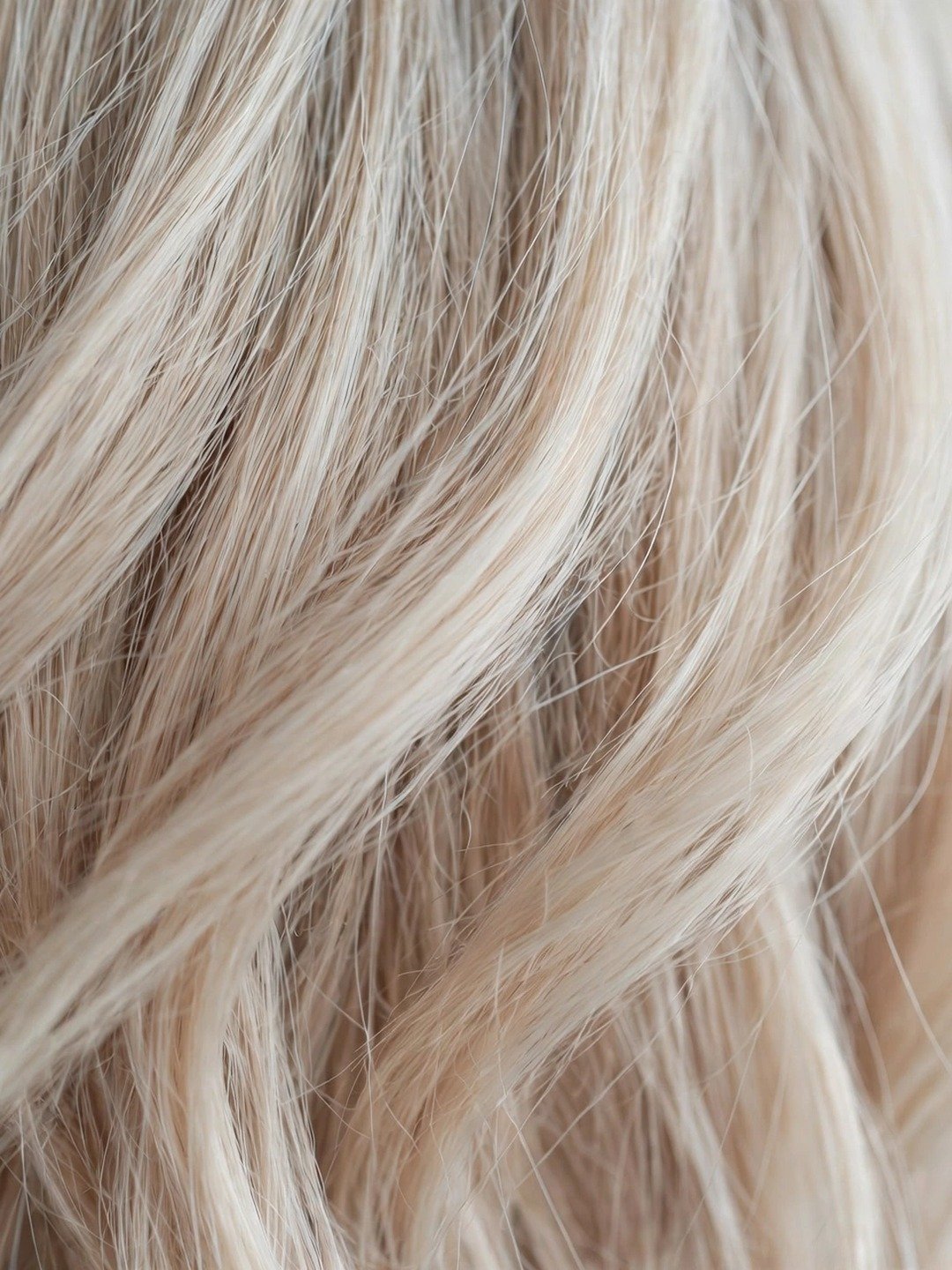
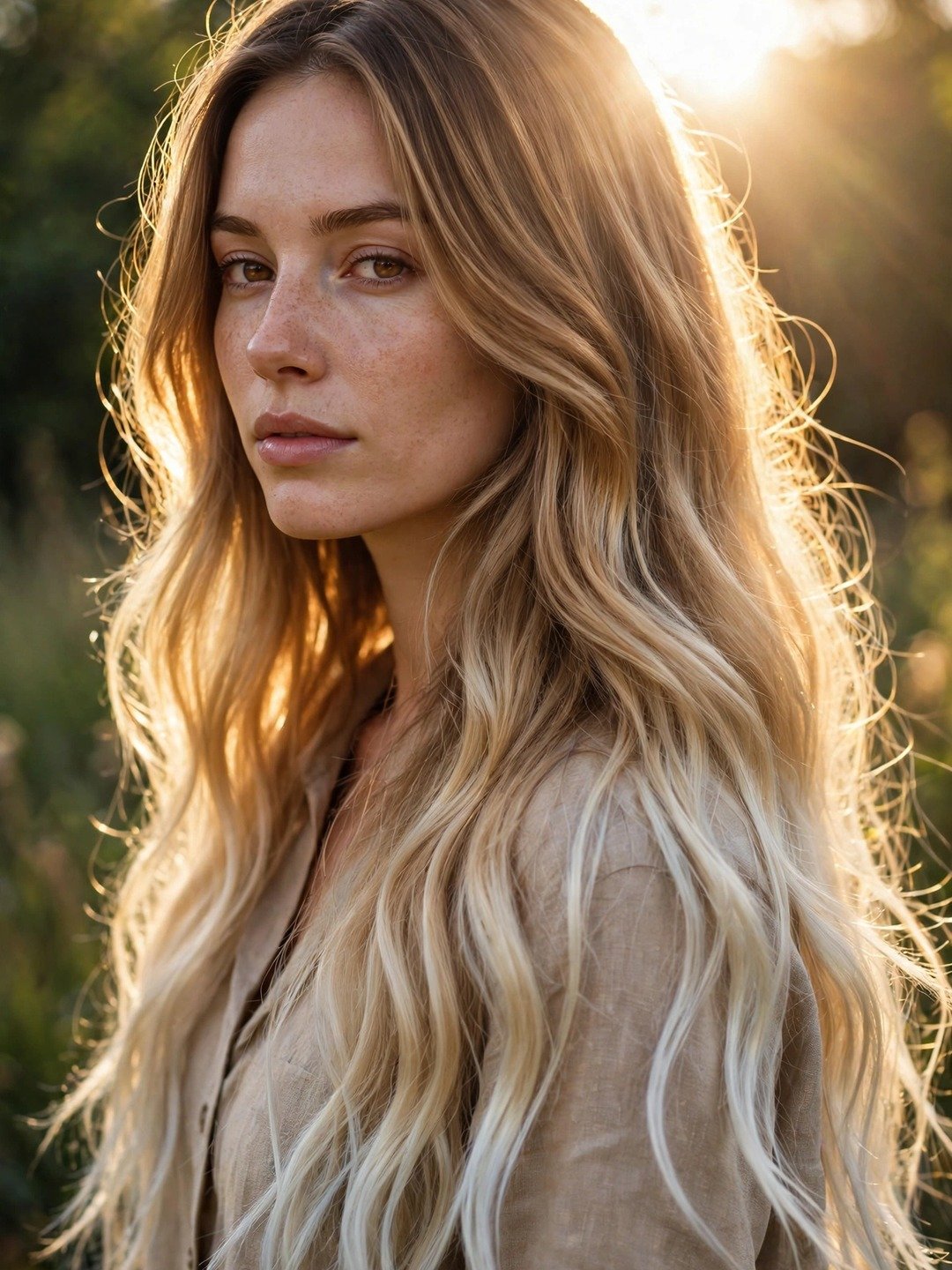
Honey Blonde with Platinum Ends
Here, the roots stay a warm honey tone while the mid-lengths and ends are lifted almost to platinum, creating strong contrast and dimension. It’s a striking, high-fashion take on honey blonde that photographs well, but it requires hair that’s already light or has been previously lightened, since going from dark to near-platinum ends in one session isn’t realistic. Expect more upkeep on the ends specifically, since lighter hair shows damage and dullness faster.
Honey Blonde Highlights on Light Brown Hair
This uses thin, scattered highlights woven through light brown hair rather than a full lightening process. The goal isn’t to look fully blonde, but to add warmth and movement that catches the light, almost like natural sun damage. It’s one of the most low-commitment ways to try honey blonde, since your base color stays mostly intact and the highlights soften as they grow out.
Medium and Classic Honey Blonde Looks
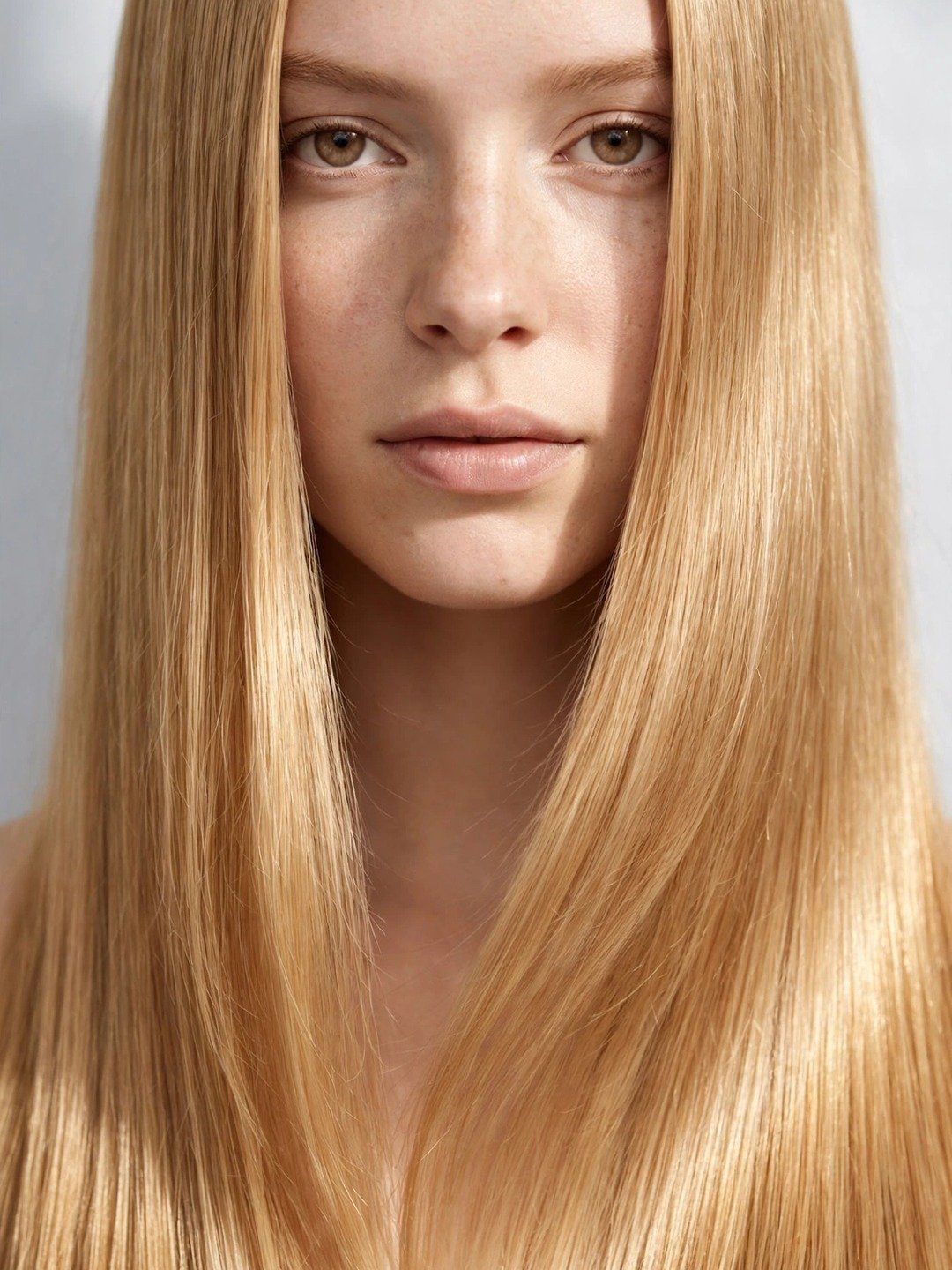
Classic Honey Blonde
This is the shade most people picture when they hear “honey blonde”: a rich, medium-depth gold with clear warm undertones, not too light and not too dark. It’s often recommended as a starting point for anyone going blonde for the first time, since it’s forgiving on a wide range of skin tones and doesn’t require extreme lightening. It sits comfortably between subtle and noticeable, which is part of why it’s such a popular request.
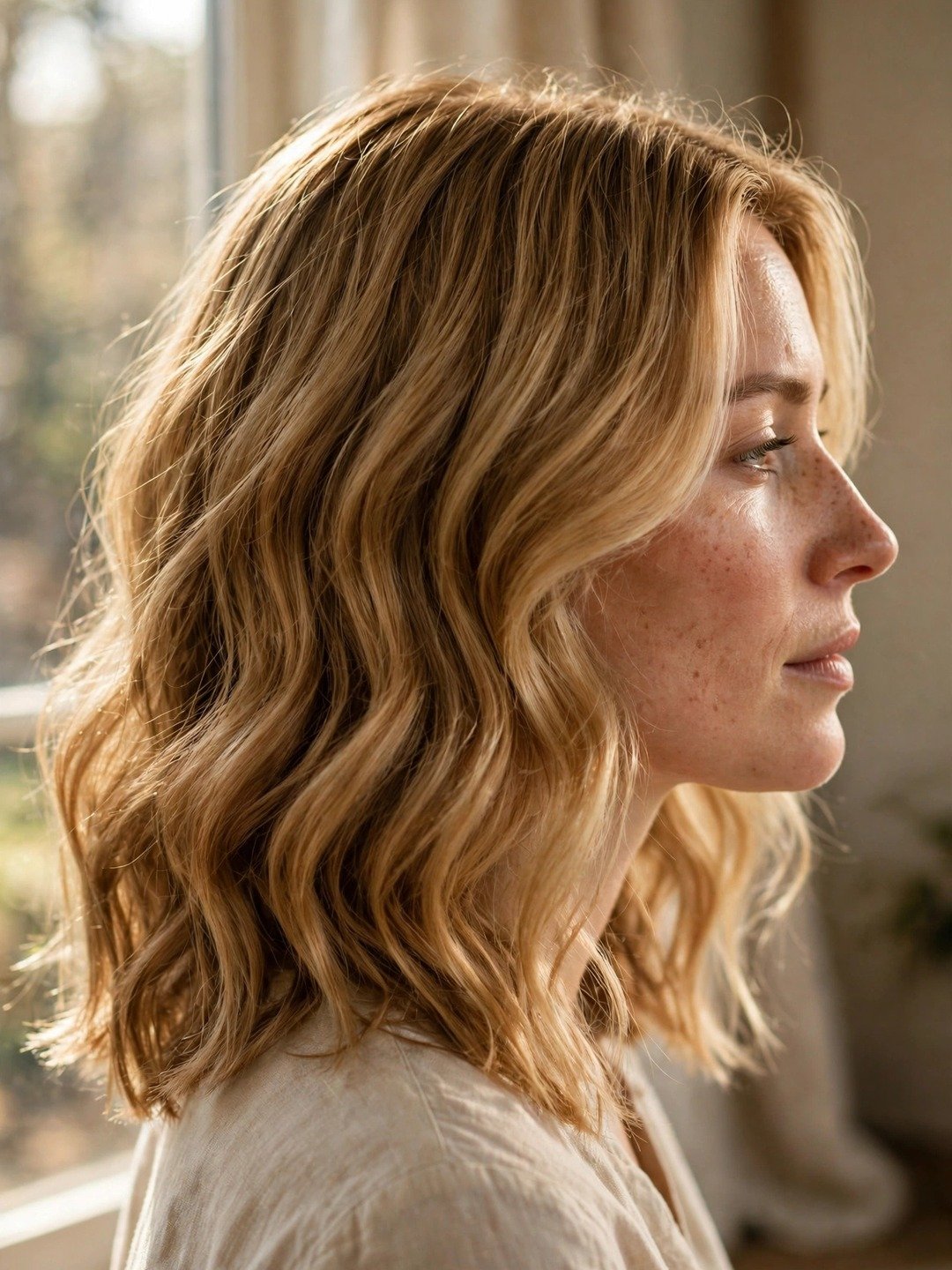
Honey Blonde Balayage
Balayage is a hand-painted technique where color is swept on freehand, concentrated more at the ends and softer near the roots. Because there’s no hard line where the color starts, it grows out naturally and doesn’t need frequent root touch-ups, which makes it one of the lower-maintenance ways to wear honey blonde. It also tends to look more dimensional than a flat, single-process color.
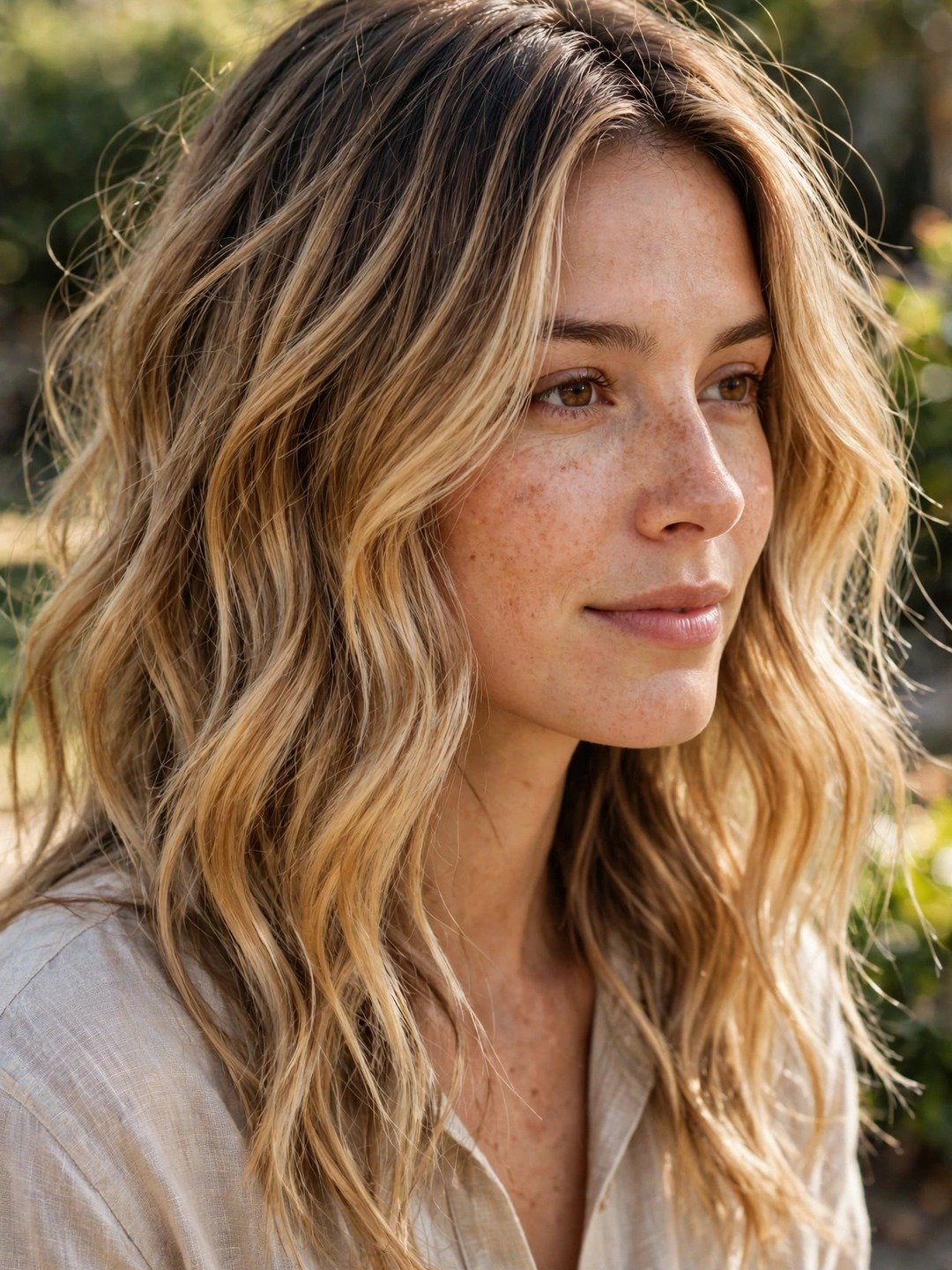
Honey Caramel Blonde
This shade blends golden blonde with deeper caramel undertones, giving it a sun-kissed, summery feel without going too light overall. It works well on medium skin tones and looks especially natural on hair that already has some warmth to it. Because it’s not as light as classic honey blonde, the regrowth is less noticeable, so it can stretch longer between salon visits.
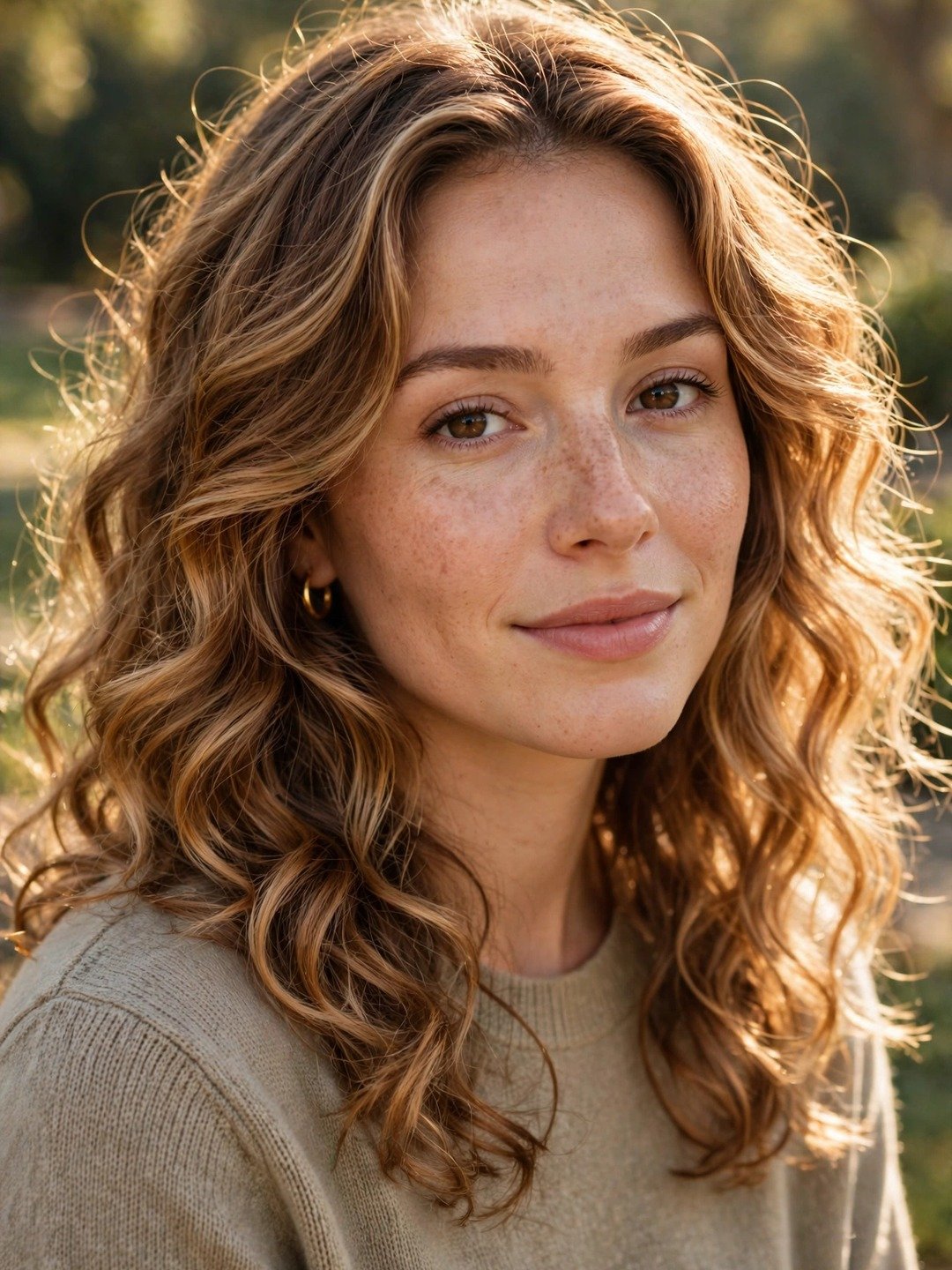
Honey Blonde with a Root Smudge
A root smudge is a technique where your natural root color is softly blended into lighter lengths, instead of leaving a sharp line. This is specifically designed to make regrowth nearly invisible for months at a time, which makes it one of the most practical options for anyone who wants low-maintenance color. It works especially well if your natural hair color is only a shade or two darker than your honey blonde.
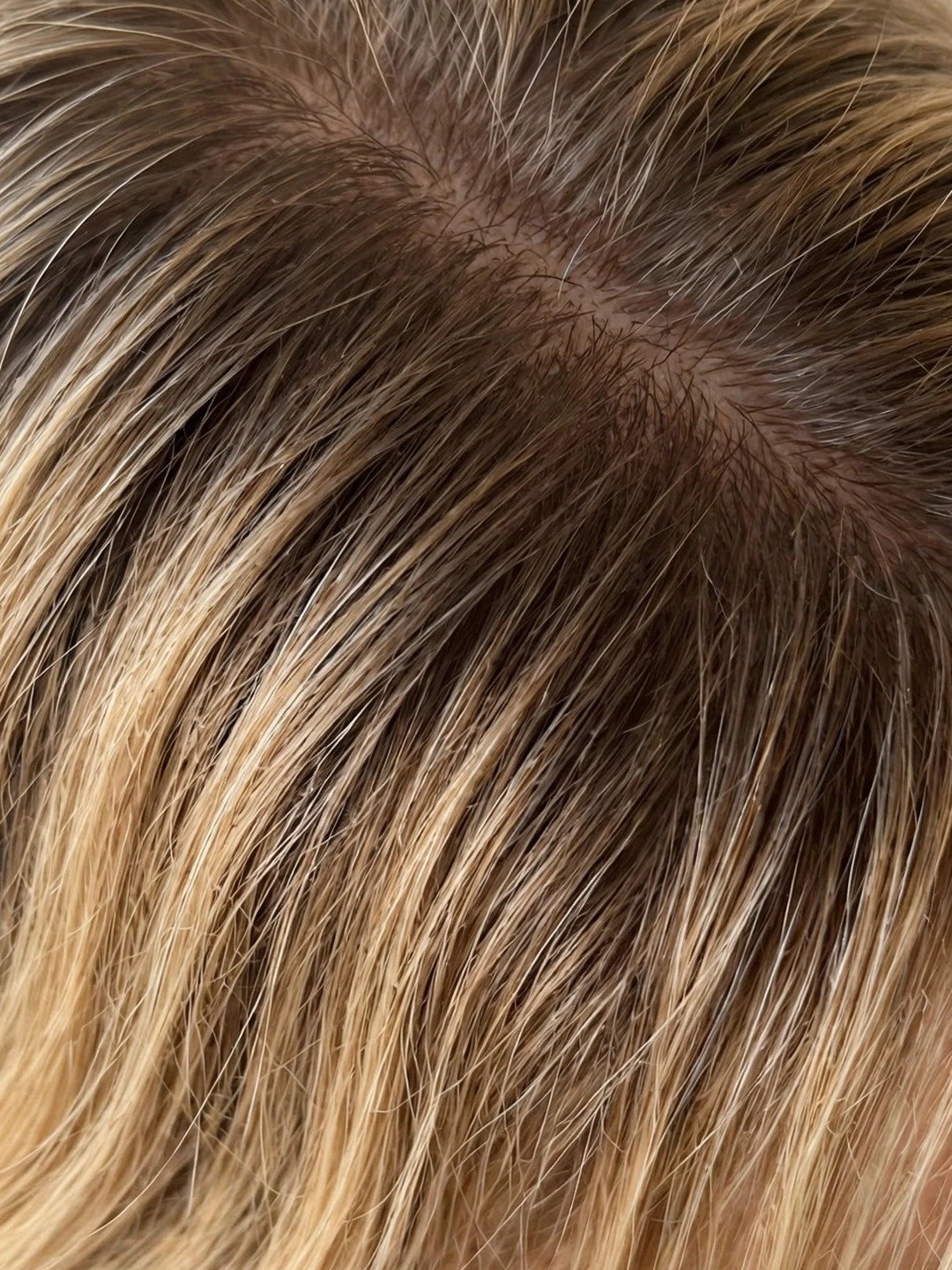
Honey Blonde Ombre
Ombre creates a gradual transition from a darker root to honey blonde ends, with a soft, deliberate blend in between rather than fine highlights. It’s a strong choice for anyone who wants noticeably lighter ends without touching up roots often, since the whole point of the technique is to let it grow out naturally. It tends to look best on longer hair, where there’s more length for the gradient to play out.
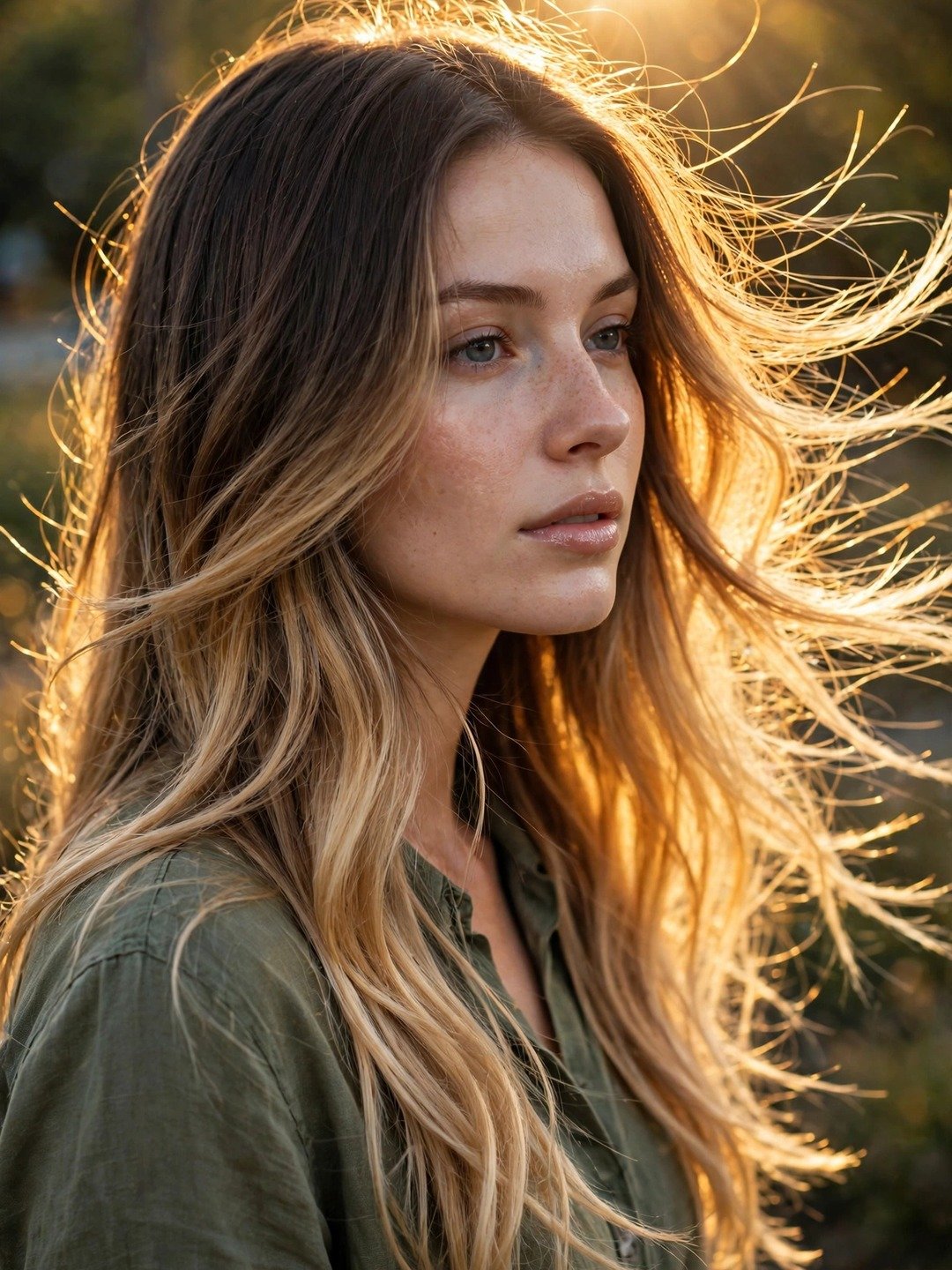
Golden Honey Highlights on Medium Brown
This option keeps a medium brown base and adds warm, buttery highlights throughout for dimension, rather than lightening the whole head. It’s a good middle ground for people who like their natural brown but want it to look less flat, especially in sunlight. Maintenance is moderate, since only the highlighted sections need refreshing, not a full head of color.
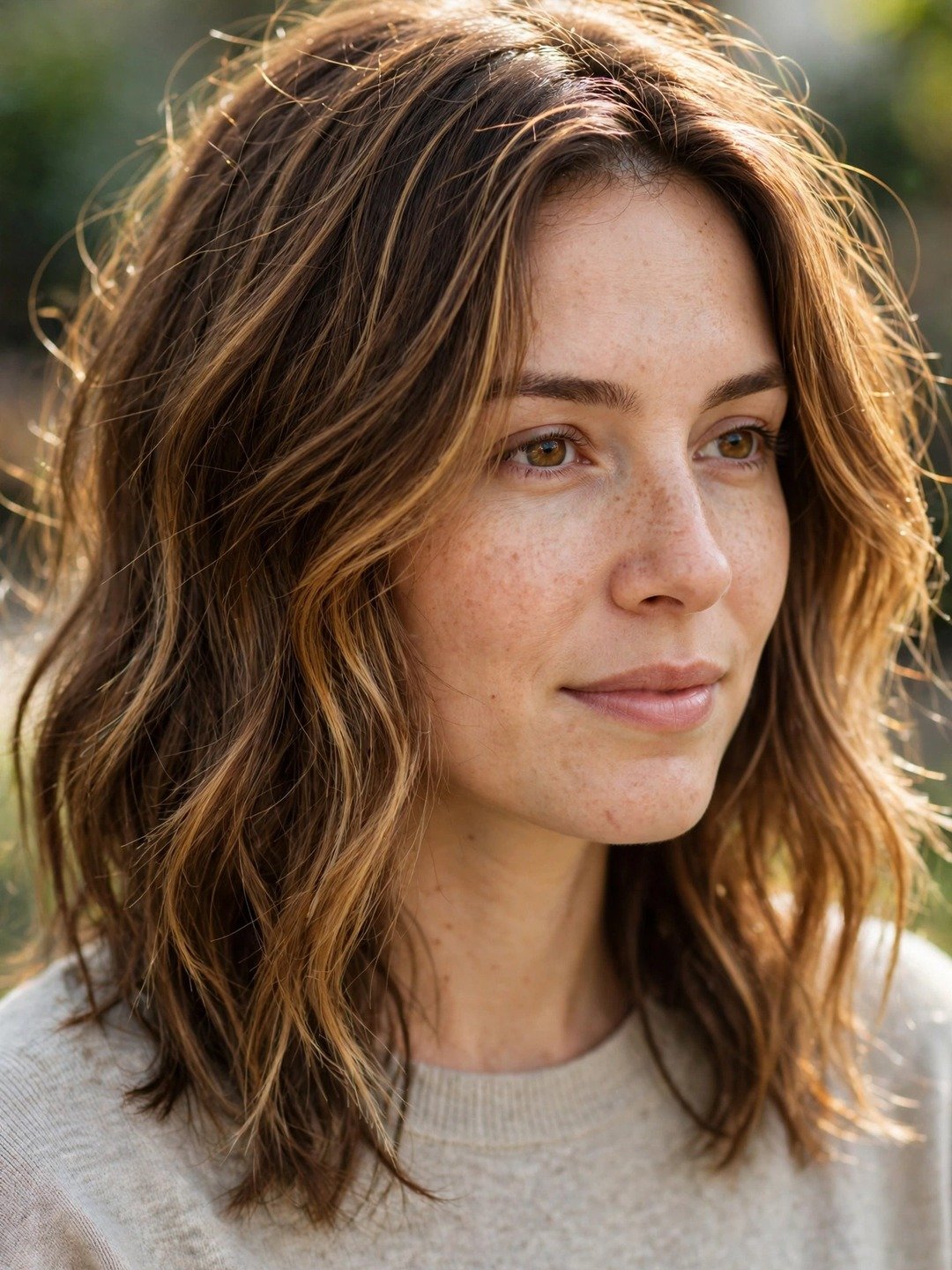
Honey Blonde with Face-Framing Highlights
Similar to a money piece but broader, this style adds slightly brighter honey tones around the face while the rest of the hair stays a touch deeper. It draws light toward your features and can be adjusted in intensity depending on how bold you want the contrast. It’s a flexible option that works on most base colors, from light brown to dark blonde.
Dark and Blonde Honey Blonde Looks
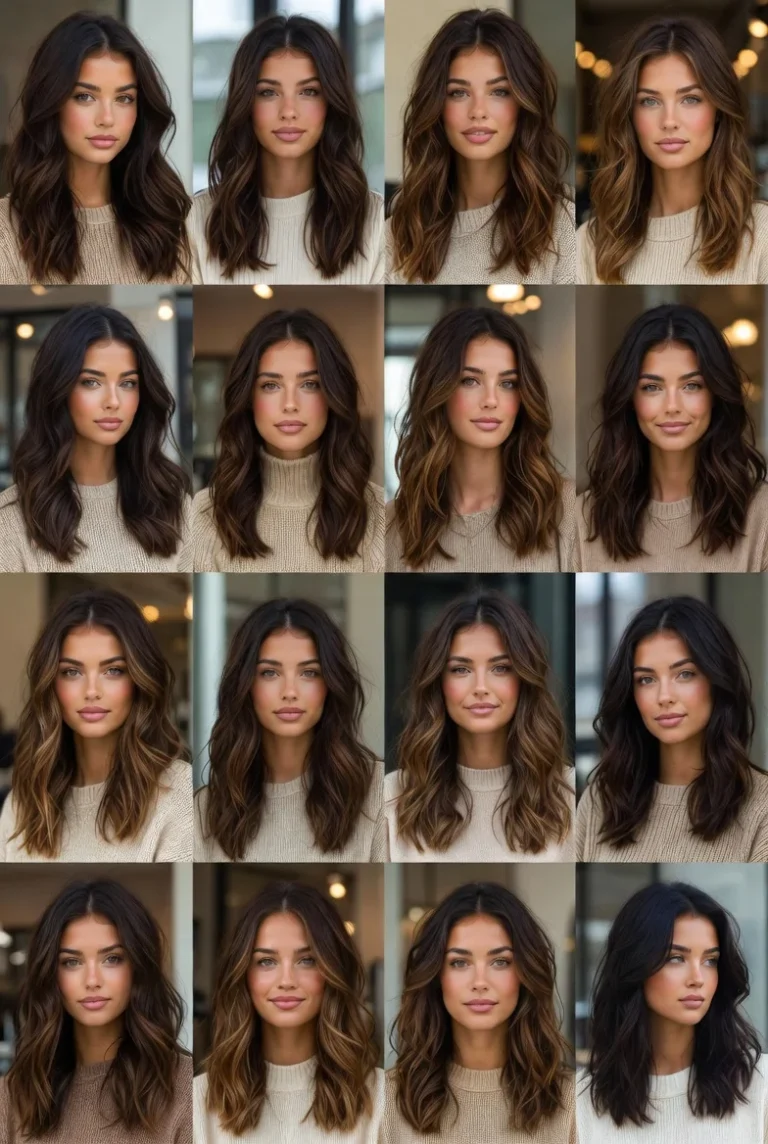
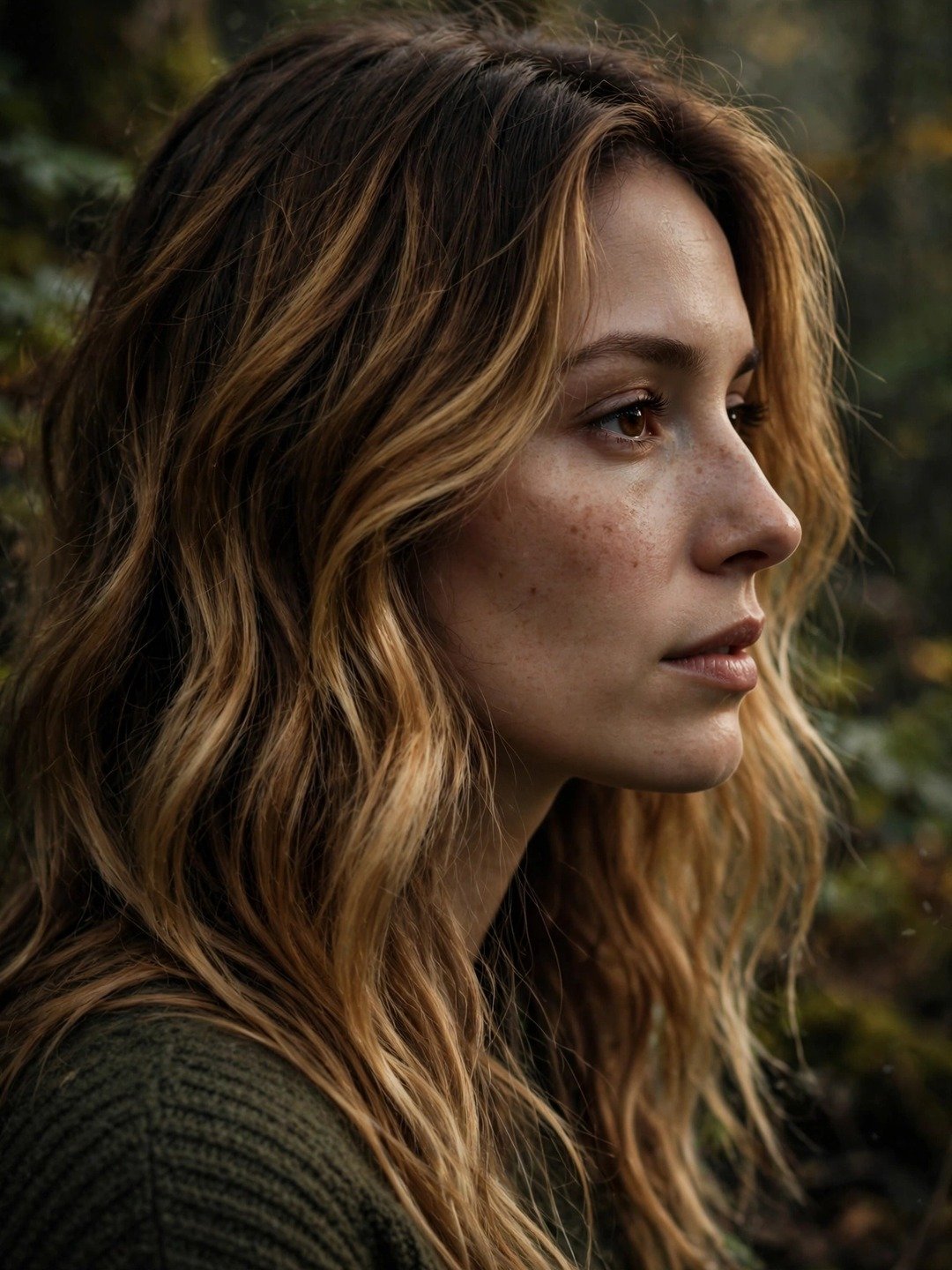
Dark Honey Blonde
This is the richest and warmest version of honey blonde on the list, sitting closer to a deep gold than a true blonde. It’s especially popular with natural brunettes who want warmth and dimension without committing to a full blonde transformation. Because it stays close to many natural brown bases, it grows out more naturally than lighter honey shades and needs fewer touch-ups overall.
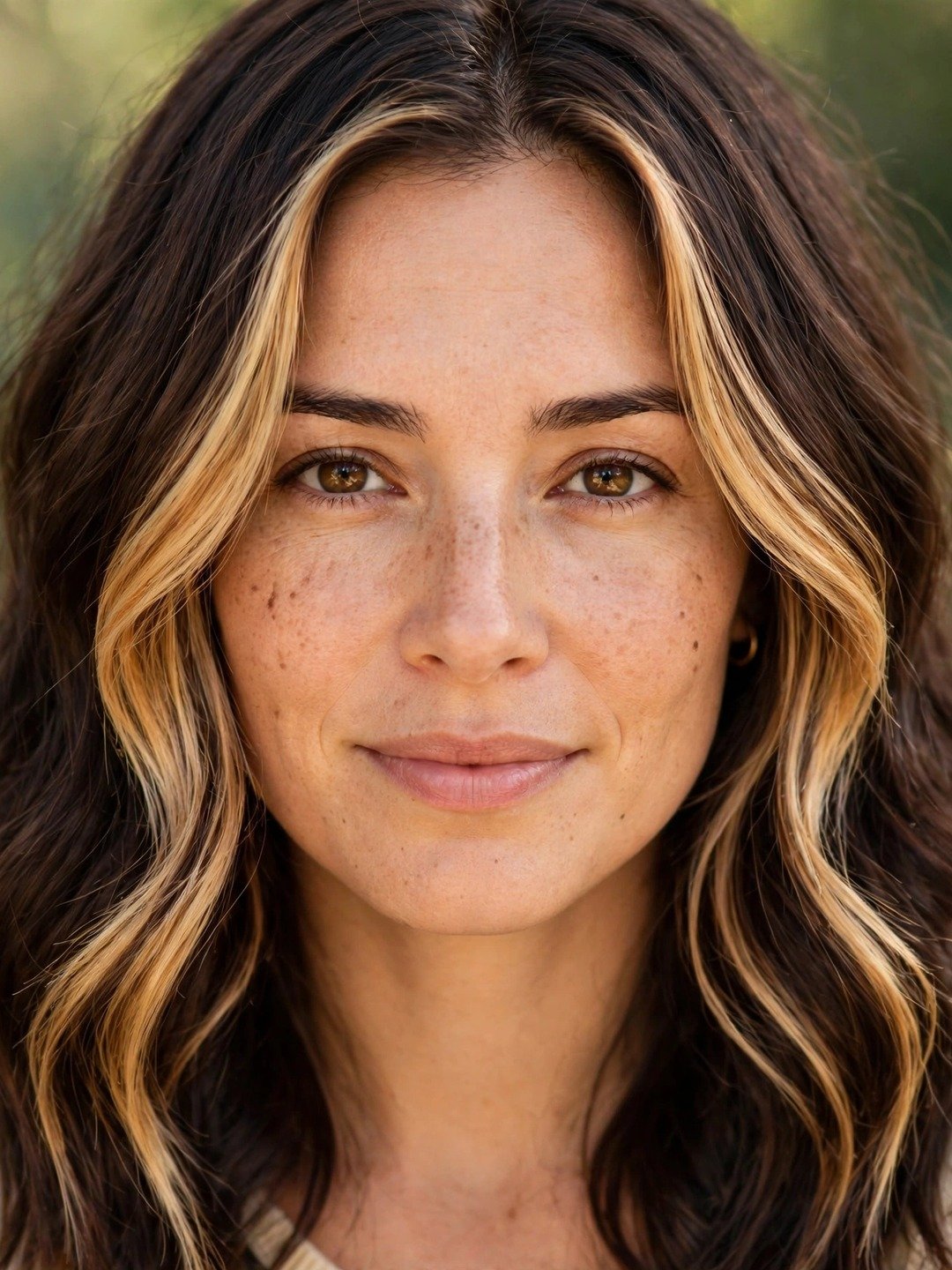
Honey Blonde (Brown-Blonde Blend)
Blonde sits directly between brown and blonde, and honey blonde specifically leans into golden, honey-toned warmth rather than ash or neutral tones. It gives more depth than a typical blonde and more brightness than a typical brunette, which makes it a flattering, low-drama option for people unsure about going fully blonde. It also tends to be more forgiving as it grows out, since the color doesn’t shift dramatically.
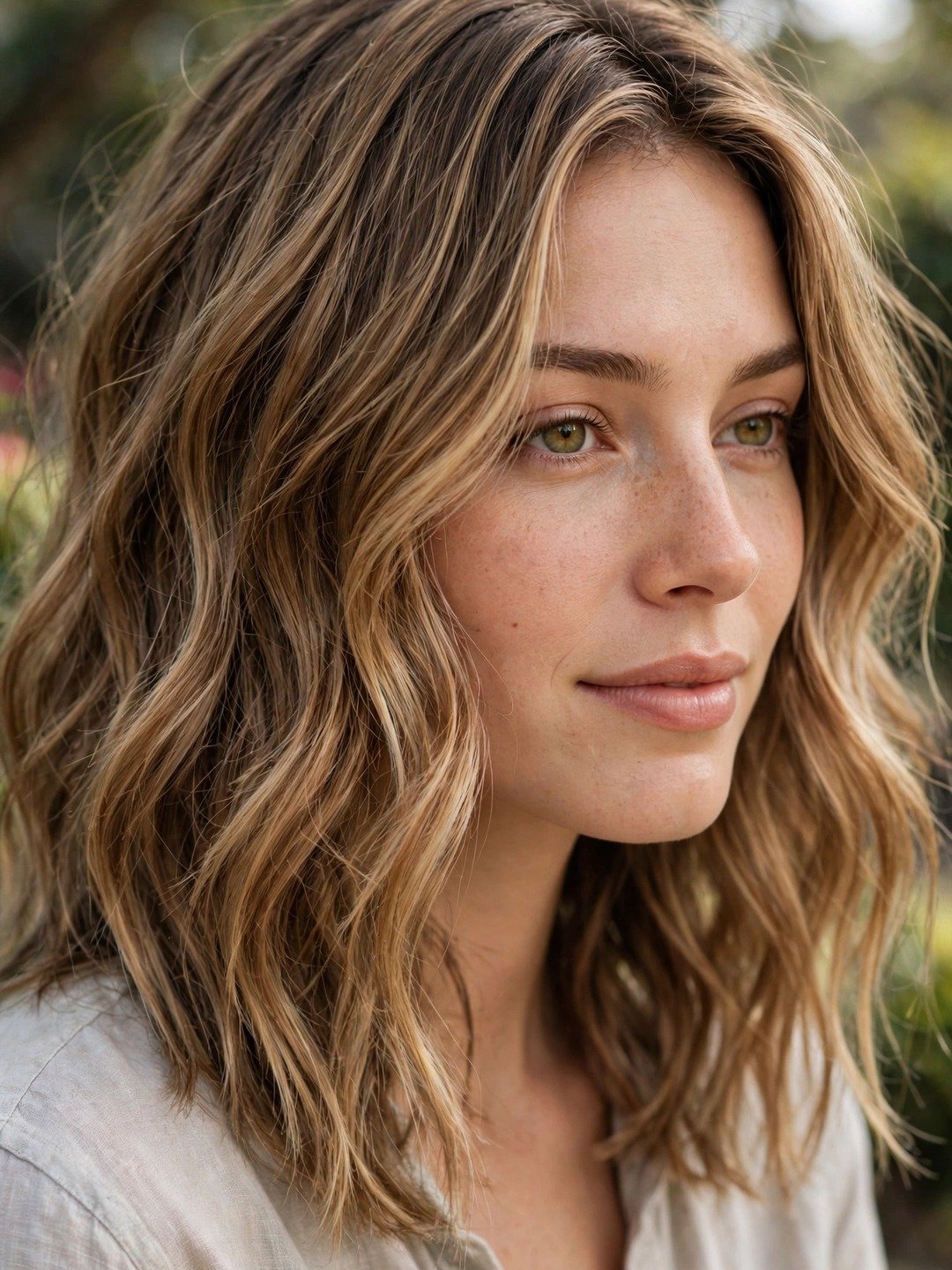
Honey Blonde Lowlights on Blonde Hair
If your blonde has started to look flat, washed out, or too uniform, adding honey-toned lowlights brings back depth and dimension. Lowlights are the reverse of highlights: strands are made darker rather than lighter, using a warm honey tone instead of a plain brown. This is a common refresh technique for people who’ve been blonde for a while and want their color to look less one-dimensional.
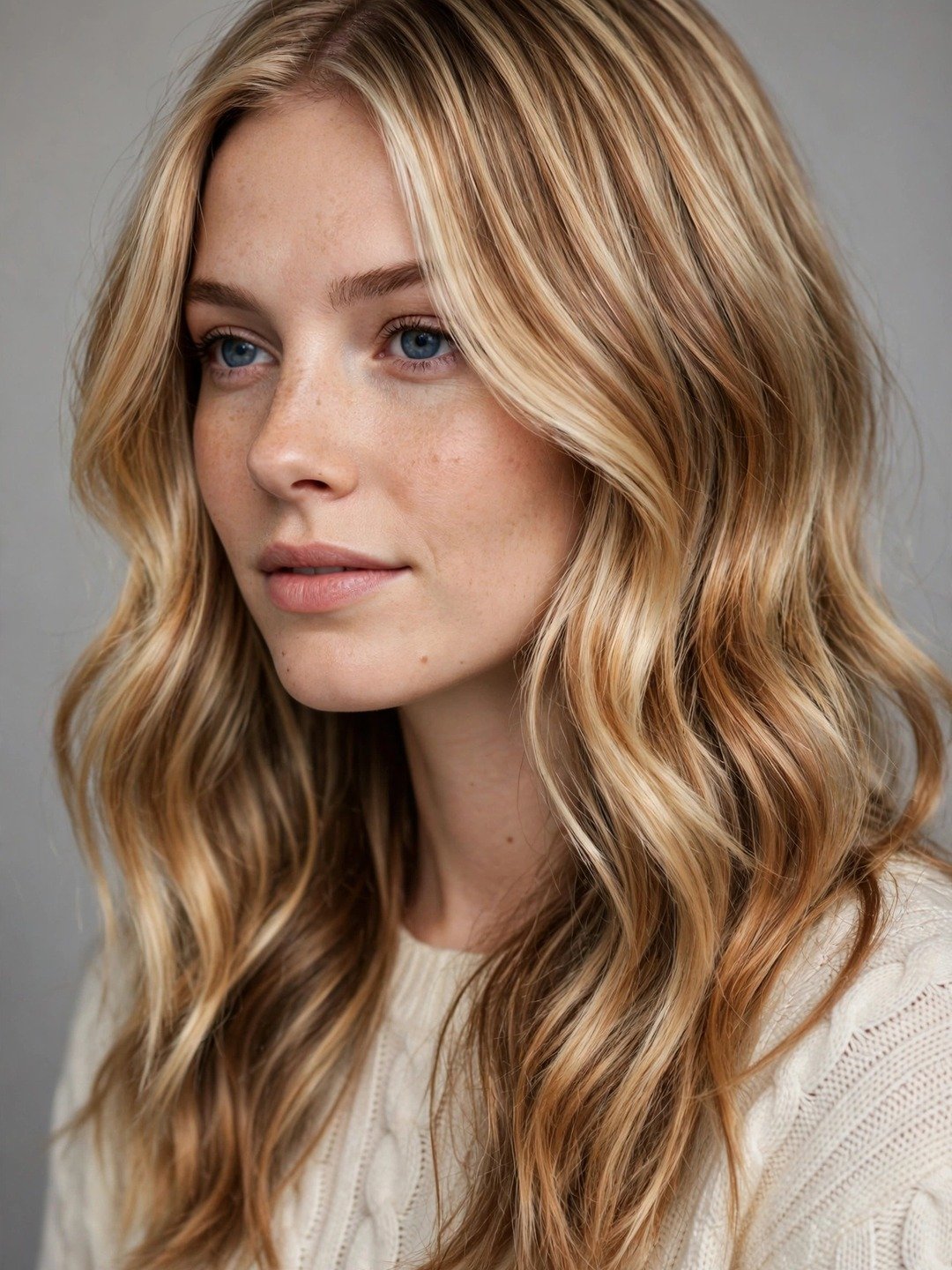
Deep Honey Blonde Balayage on Brunette Hair
This technique uses hand-painted color to lift dark brown hair just enough to introduce golden warmth, without pushing all the way to a light blonde. It’s a softer, more gradual way for brunettes to test honey blonde, since the change is noticeable but not drastic. Balayage on brunette hair also tends to blend well with natural regrowth, making it easier to maintain than a full-head lightening service.
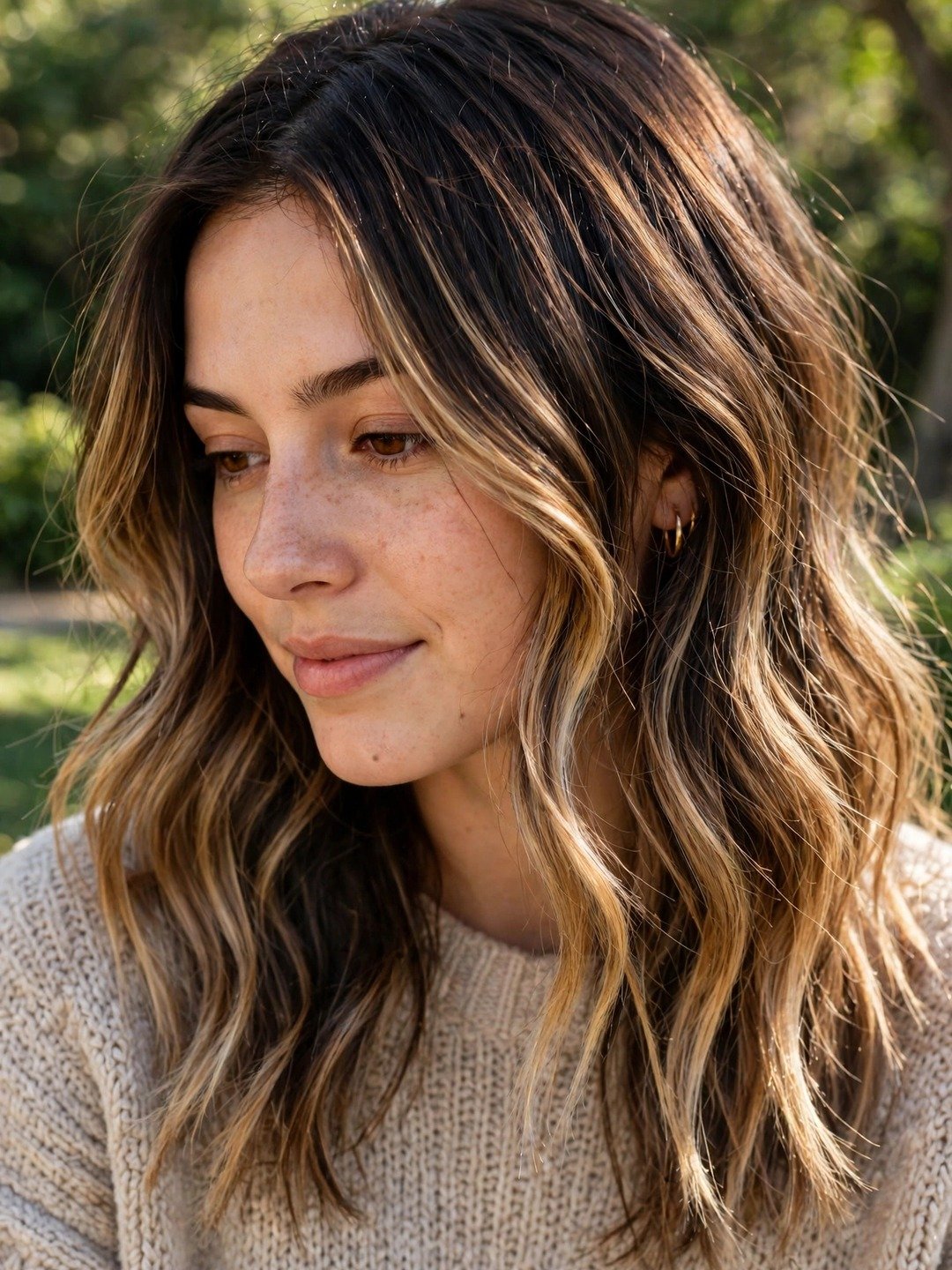
Honey Blonde with Chestnut Roots
Here, warm chestnut brown roots are deliberately kept in place and blended into honey blonde lengths, rather than lightened to match. This creates a natural-looking gradient and is popular specifically because it stretches the time between salon visits, since the root area is meant to show some depth rather than be hidden. It works particularly well for people whose natural hair color is already a warm chestnut brown.
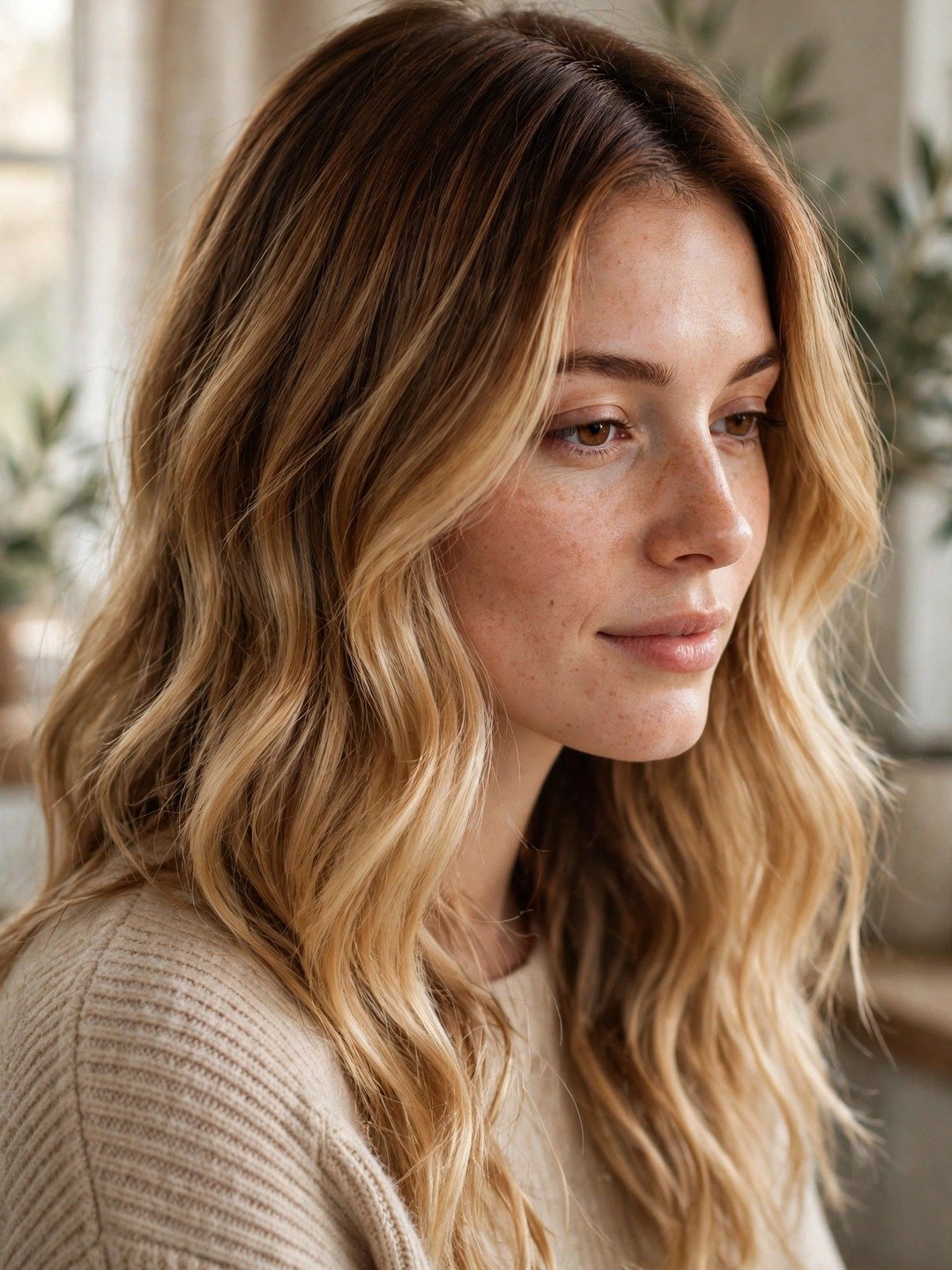
Honey Blonde Shadow Root
A shadow root is a deliberately darker, softly diffused area at the root, placed under honey blonde lengths on purpose. Unlike regrowth, it’s applied intentionally by a colorist to soften the transition and reduce how often you need to come in for root touch-ups. It’s a practical choice for anyone who wants the look of honey blonde without the commitment of frequent maintenance appointments.
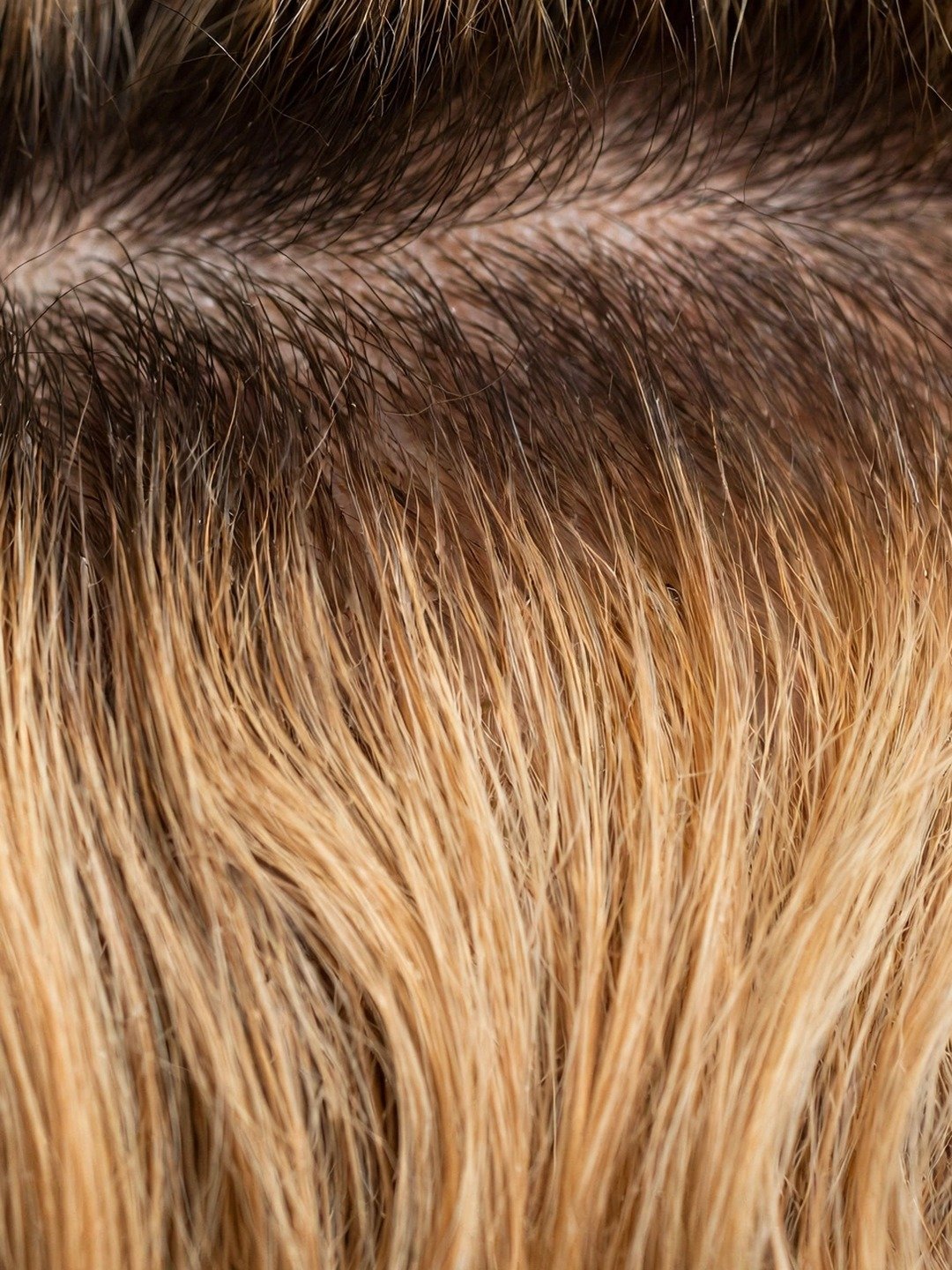
Technique-Based Honey Blonde Looks
Honey Blonde Foil yage
Foil yage combines the freehand painting of balayage with the extra lift and brightness that foils provide, giving more precise, noticeable pieces than balayage alone while still keeping a natural, blended finish. It’s often chosen by people who liked the low-maintenance idea of balayage but wanted a bit more brightness and contrast in the final result. It typically takes longer in the chair than plain balayage, since it involves both techniques.
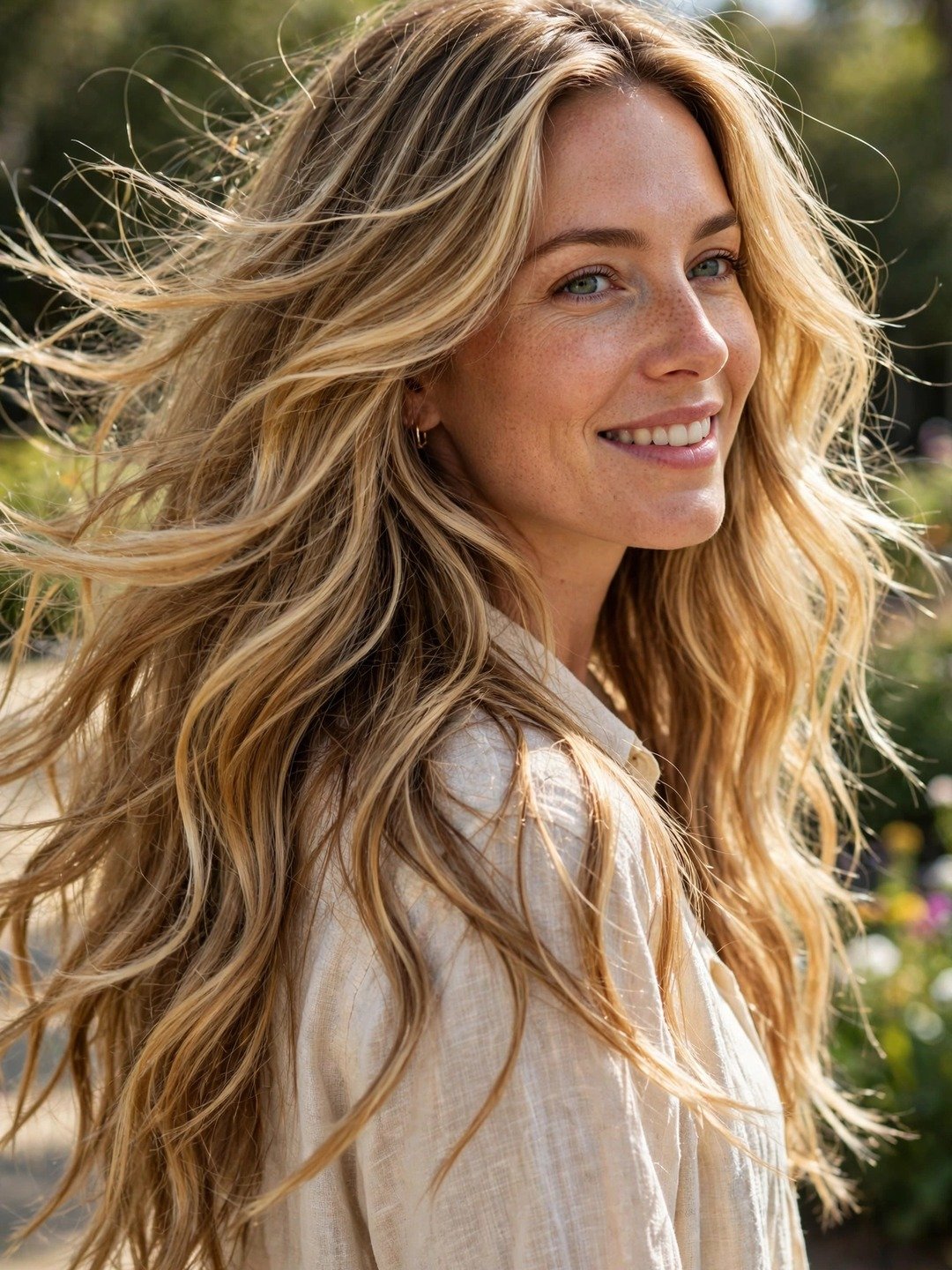
Honey Blonde Full Foils
This is the traditional foil highlighting method, with sections of hair wrapped in foil throughout the whole head for the most even, uniform honey blonde result. It gives the most consistent, all-over color of any technique on this list, which makes it a strong choice if you want a polished, salon-fresh look rather than a lived-in, natural gradient. It also tends to need more frequent root touch-ups than balayage-based techniques, since the color starts closer to the root.
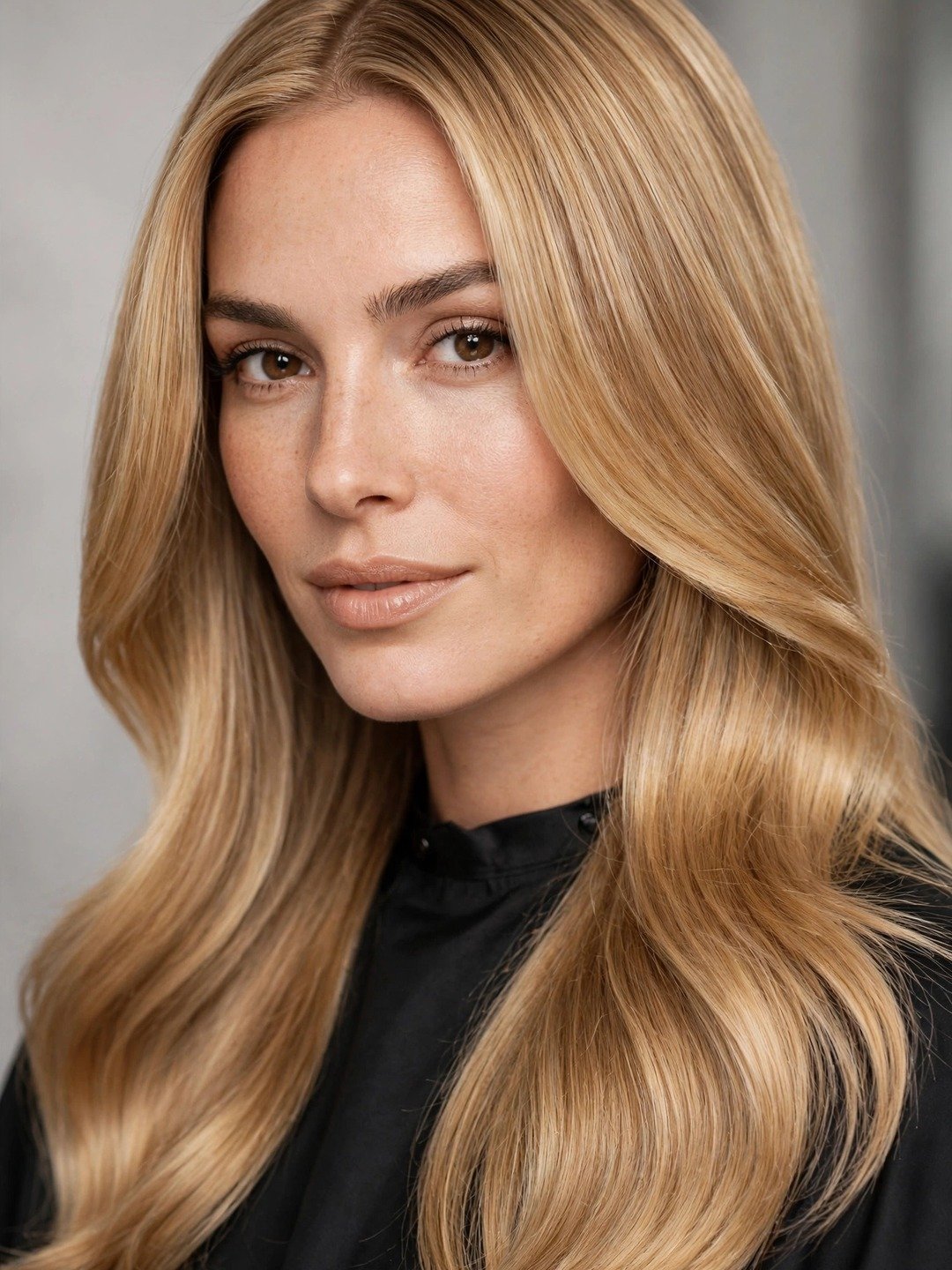
Honey Blonde Single-Process Color
Single-process color means one all-over application, without foils or hand-painting, resulting in a flat, consistent honey blonde from root to tip. It’s generally simpler and less expensive than balayage or foils, which makes it appealing for a first-time honey blonde look or a tighter budget. The trade-off is that regrowth shows faster, since there’s a clear, single line where your natural color begins.
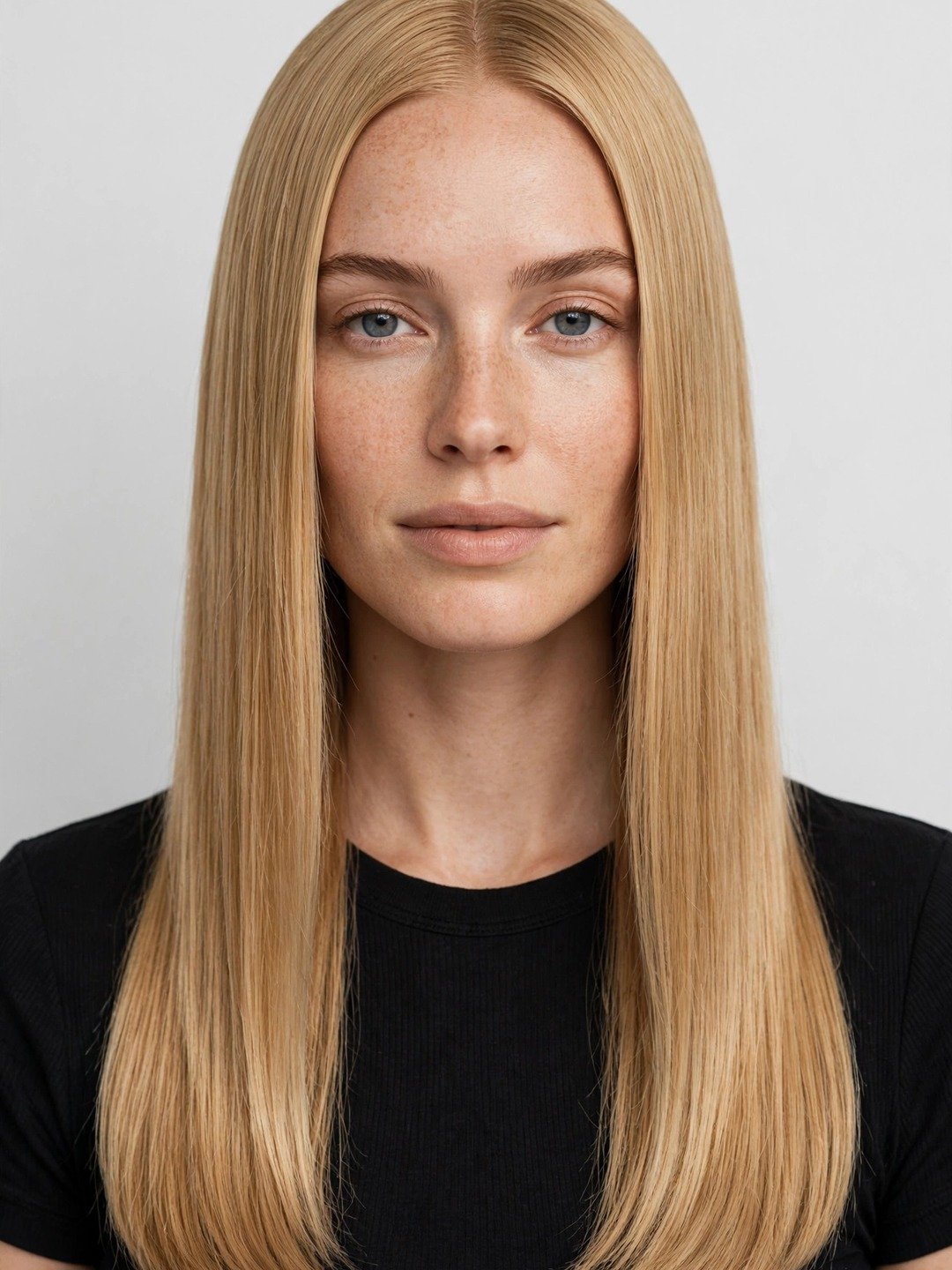
Honey Blonde Glaze or Gloss Refresh
This isn’t a full color change but a toning treatment applied over existing blonde hair to refresh the honey tone, correct brassiness, and add shine. It’s typically done between full color appointments and takes far less time in the salon chair. If your honey blonde has started to fade or turn dull, a glaze is often the fastest and cheapest way to bring the warmth back without redoing your whole color.
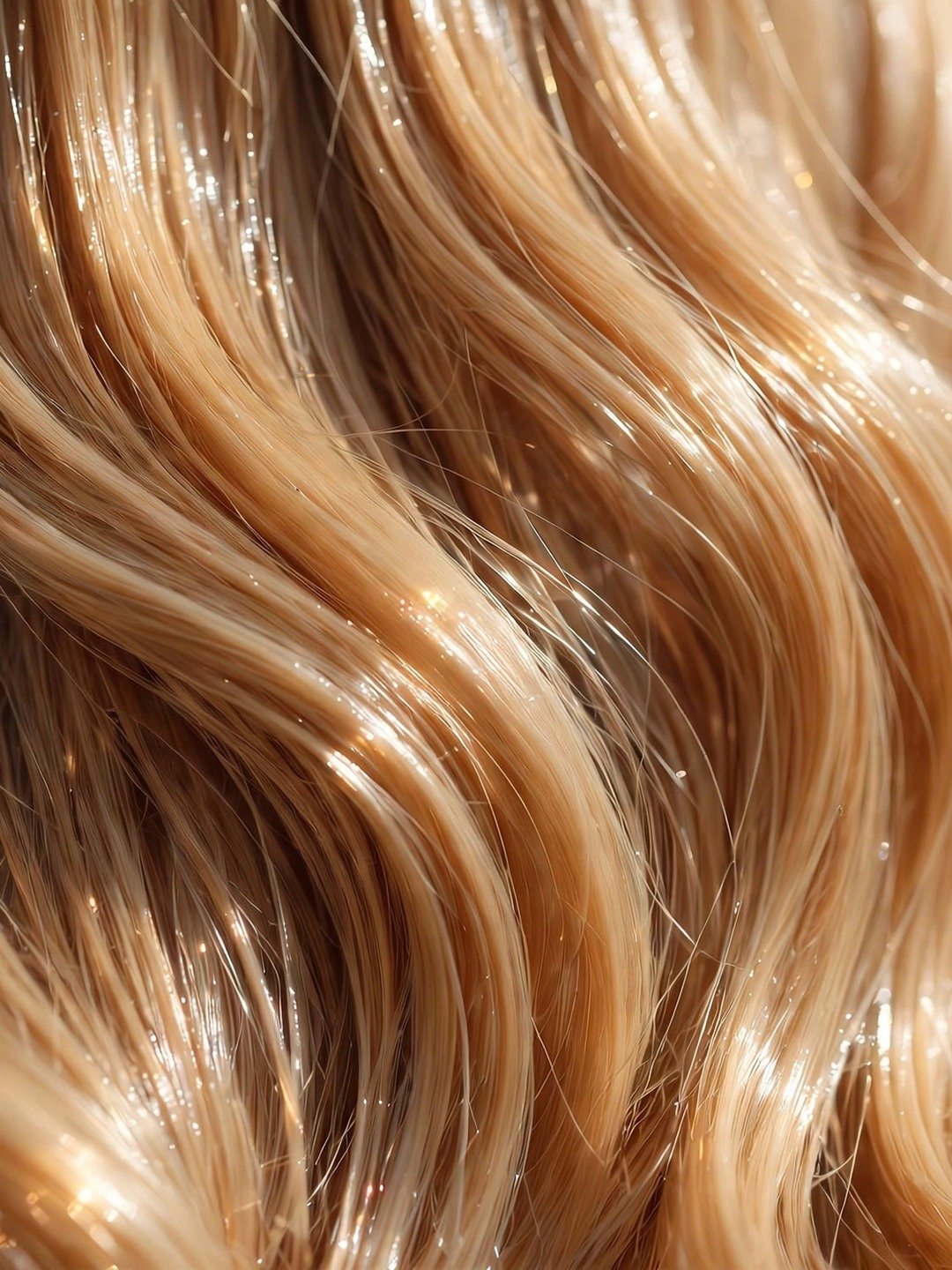
Honey Blonde vs Golden, Caramel, and Strawberry Blonde
These shades get confused a lot, so here’s the quick difference:
- Golden blonde is brighter and more yellow-toned. Honey blonde is softer, with more amber warmth, so it tends to look more natural in daylight.
- Caramel blonde leans deeper and browner, closer to a blonde shade. Honey blonde is usually lighter and more golden.
- Strawberry blonde has a visible red or pink undertone. Honey blonde stays in gold and amber tones, without any red.
If you’re not sure which one you’re picturing, bring photos to your stylist. “Honey blonde” means something slightly different depending on who you ask, so a reference photo avoids confusion.
How Much Does Honey Blonde Cost, and How Often Do You Need Touch-Ups?
Honey blonde is considered medium maintenance, generally easier to keep up than icy or platinum blonde shades, because warm tones hide root regrowth better.
Typical cost ranges:
- Full single-process color: roughly $120 to $250
- Balayage or foils: roughly $150 to $400
- Going from a dark brunette base to honey blonde: often needs multiple sessions and can run higher, since more lightening is required
Typical touch-up schedule:
- Full color or foils: every 6 to 8 weeks
- Balayage, ombre, or shadow root styles: every 8 to 12 weeks, since there’s no hard line to maintain
Prices vary a lot by location and stylist experience, so treat these as general ranges, not fixed quotes.
At-Home Care Tips to Keep Honey Blonde Looking Fresh
- Use a sulphate-free shampoo. Regular sulphate’s strip color and fade the warmth faster.
- Add a purple or gold-toning shampoo occasionally to control brassiness without dulling the honey tone.
- Deep condition weekly. Lightened hair is more prone to dryness and breakage.
- Use UV protection spray if you’re often in the sun, since honey tones can shift or fade faster with heat exposure.
Frequently Asked Questions
Is honey blonde a good choice for dark hair?
Yes. Dark honey blonde and honey balayage are specifically popular on brunette hair because they add warmth without requiring a full transformation to light blonde.
Does honey blonde suit all skin tones?
Mostly yes, since there’s a wide range within honey blonde. Warm undertones usually suit deeper, golden honey shades, while cool undertones look best with a softer, honey-beige version.
How long does honey blonde last before it needs a touch-up?
Full color and foils usually need a refresh every 6 to 8 weeks. Balayage and ombre styles can often go 8 to 12 weeks since the grow-out is more gradual.
Can I do honey blonde at home?
Simple honey blonde box dye can work if your hair is already light. If you’re going from a dark or previously colored base, a salon visit is safer, since incorrect at-home bleaching can cause damage or uneven tone.
What’s the difference between honey blonde and caramel blonde?
Caramel blonde is deeper and browner. Honey blonde is lighter and more golden, sitting closer to the blonde end of the spectrum.
Final Thoughts
Honey blonde isn’t one shade, it’s a whole range, from light and buttery to deep and blonde. The version that suits you best comes down to your current hair color, your undertone, and how much maintenance you’re realistically willing to keep up. Bring a few reference photos from this list to your next salon visit, and your stylist can help you land on the exact honey blonde that works for you.