22 Burgundy Ombre Hair Ideas That Look Rich, Bold, and Wine-Toned
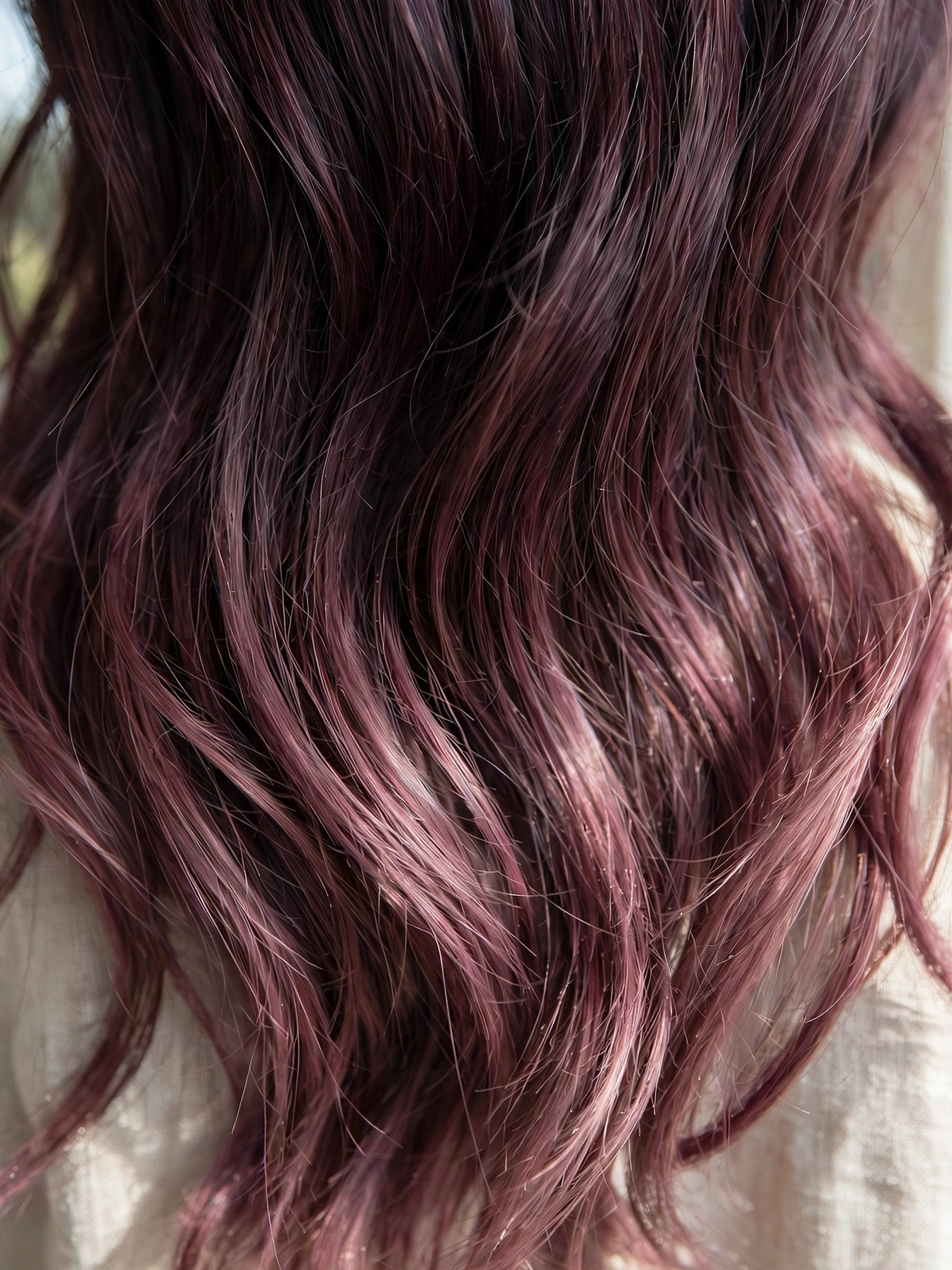
Burgundy ombre is one of the richest ways to wear red hair, blending your natural or base color into a deep, wine-toned shade without committing to an all-over color change. This guide covers 22 burgundy ombre ideas across different base colors and techniques, what actually separates ombre from balayage, and how to keep the color from fading too fast.
What Is Burgundy Ombre?
Ombre is a coloring technique where two shades blend gradually from root to tip, usually starting with your natural or darker base color and transitioning into burgundy toward the ends. It’s different from balayage, which is a hand-painted, more blended and dimensional technique, and different from highlights, which add thin streaks of color throughout rather than a top-to-bottom gradient. Burgundy ombre tends to look most seamless on naturally dark brown or black hair, since the transition into a deep wine-red reads as a natural gradient rather than a jarring change.
How to Pick Your Burgundy Ombre by Skin Tone and Base Color
- Warm undertones: Burgundy shades with more red and copper lean flatter warm skin, since they echo the same warmth already in your complexion.
- Cool undertones: A more purple-leaning burgundy, sometimes called burgundy plum, tends to look more natural against cool or pink undertones.
- Neutral undertones: The most flexible group, able to pull off nearly any burgundy shade from deep wine to bright cherry.
Your starting hair color also matters. Black or dark brown hair creates the smoothest, most natural-looking ombre transition. Lighter brown or previously colored hair may need some lightening at the ends first to let the burgundy show clearly, which adds time and cost to the process.
22 Burgundy Ombre Ideas to Try
Subtle and Root-to-Tip Ombre
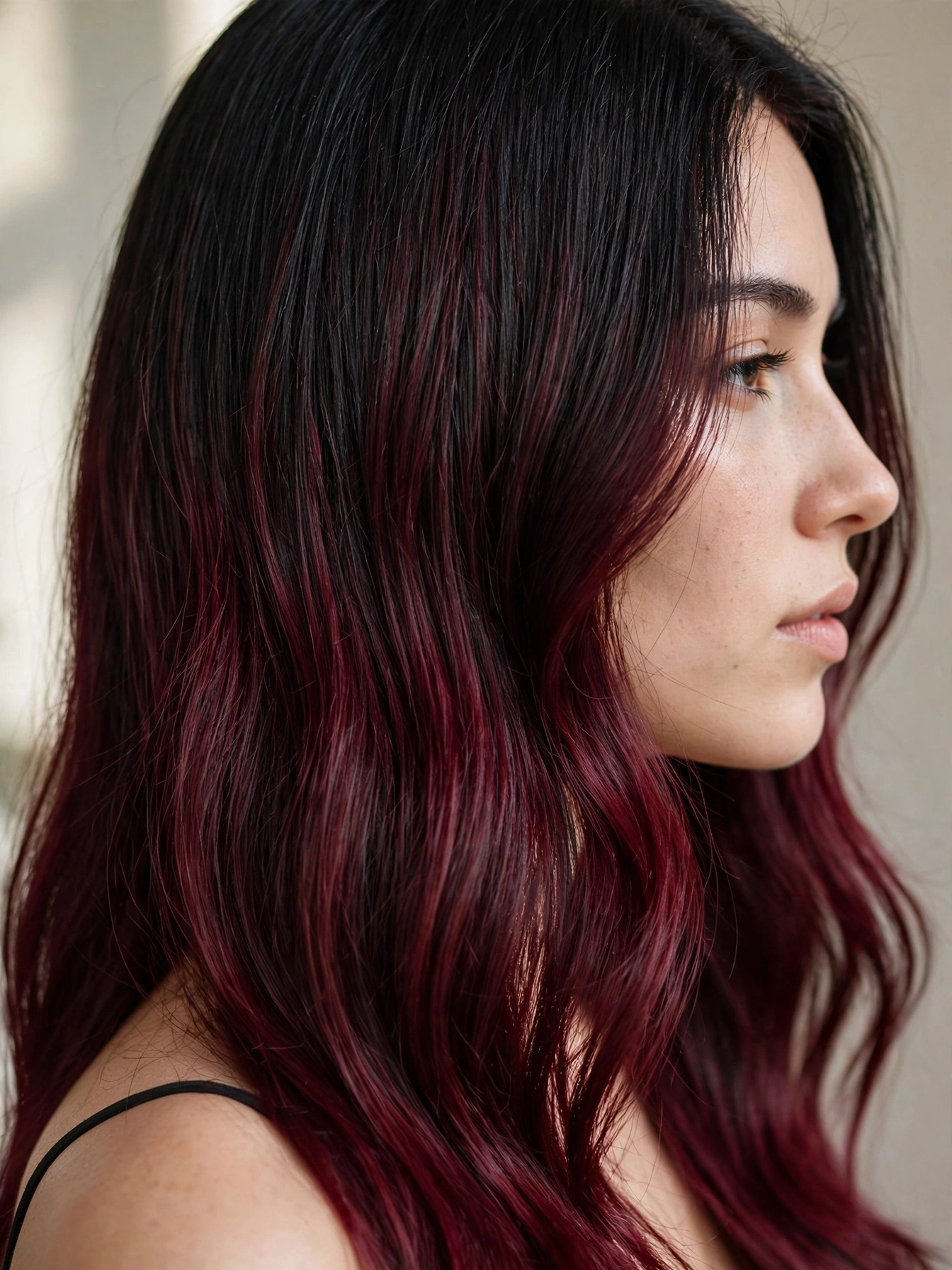
Classic Burgundy Ombre on Black Hair
Black roots melting into a rich burgundy through the mid-lengths and ends. This is considered the most natural, seamless version of the trend, since the dark base and burgundy tone blend almost invisibly at the transition point.
Dark Brown to Burgundy Ombre
A softer version starting from dark brown roots instead of black, transitioning into burgundy ends. It reads slightly warmer and less dramatic than the black-based version, making it a good entry point for first-timers.
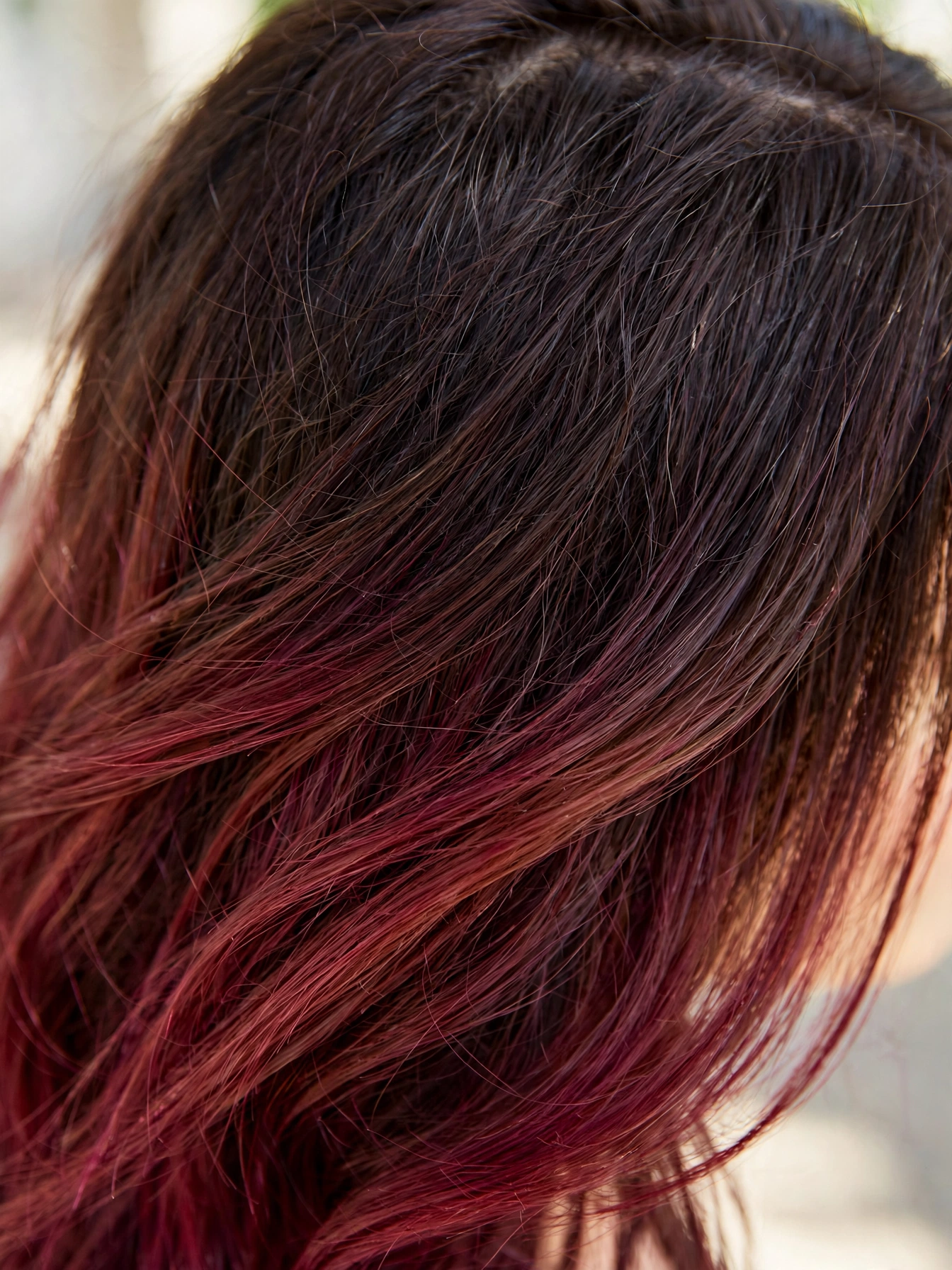
Subtle Burgundy Tip Ombre
Burgundy color concentrated only at the very ends, with the rest of the hair left in its natural shade. It’s a low-commitment way to try the trend, since the color change is minimal and grows out easily.
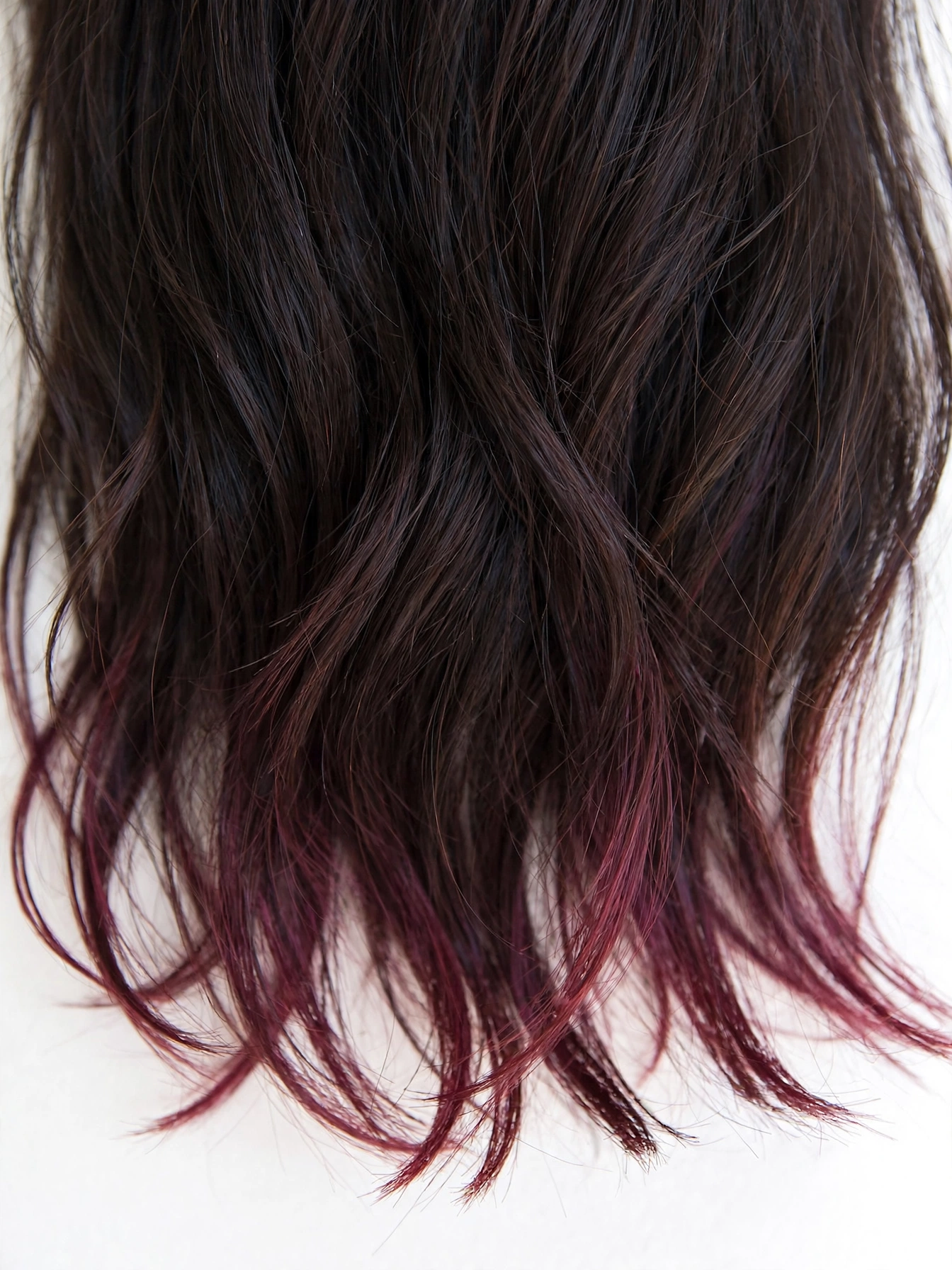
Root Smudge Burgundy Ombre
A softly blended root area that fades gradually into burgundy lengths, avoiding a hard line between the natural color and the burgundy. This technique stretches out the time between touch-ups since the regrowth blends in naturally.
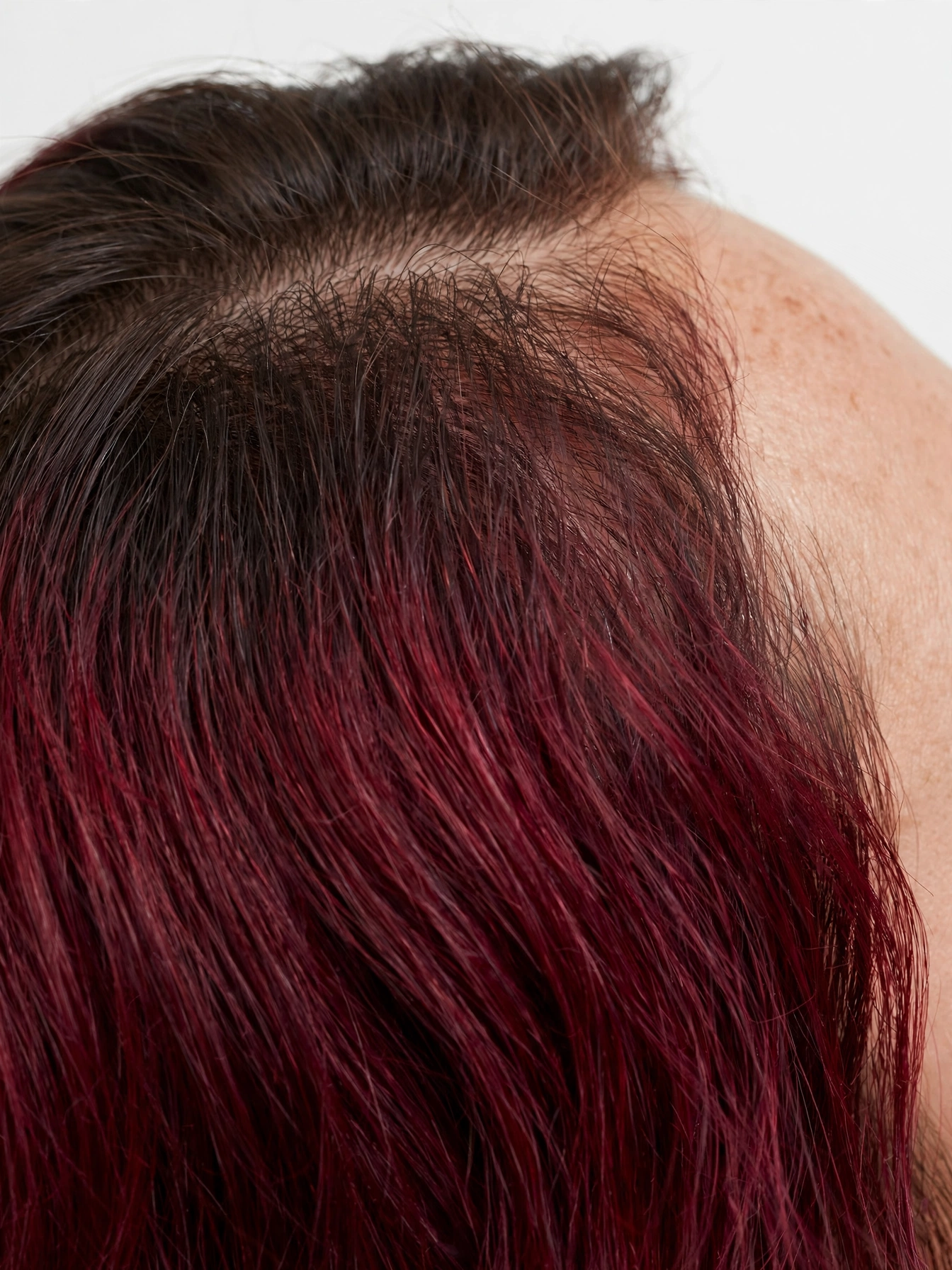
Chocolate Brown to Burgundy Ombre
A medium chocolate brown base blending into a warm, red-leaning burgundy. The chocolate undertone keeps the overall look rich and warm rather than sharply contrasted.
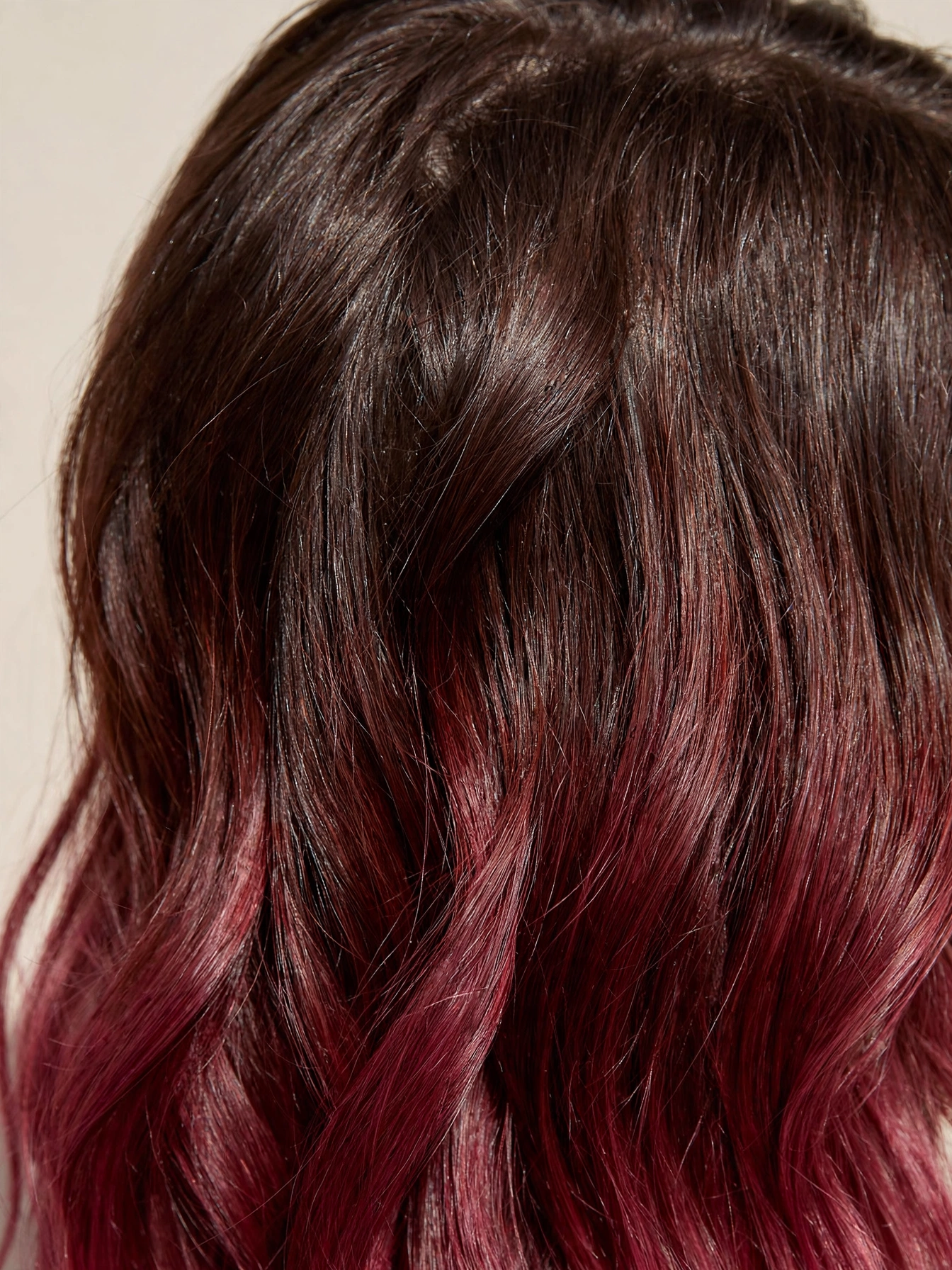
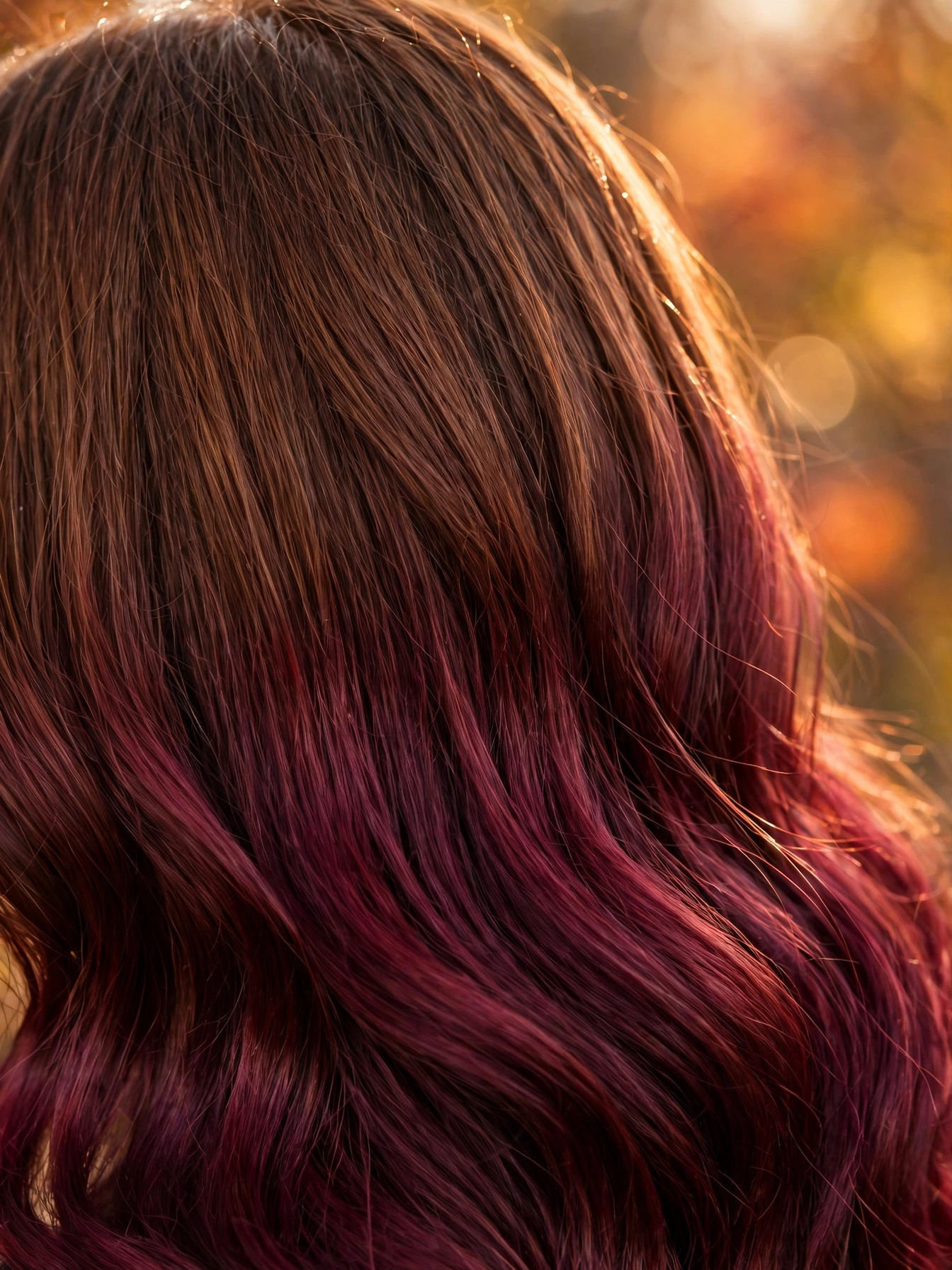
Chestnut to Burgundy Ombre
Chestnut brown roots transitioning into burgundy ends, creating a warm, autumnal gradient. It’s especially popular in fall, since chestnut and burgundy share similar warm, earthy undertones.
Bold and High-Contrast Ombre
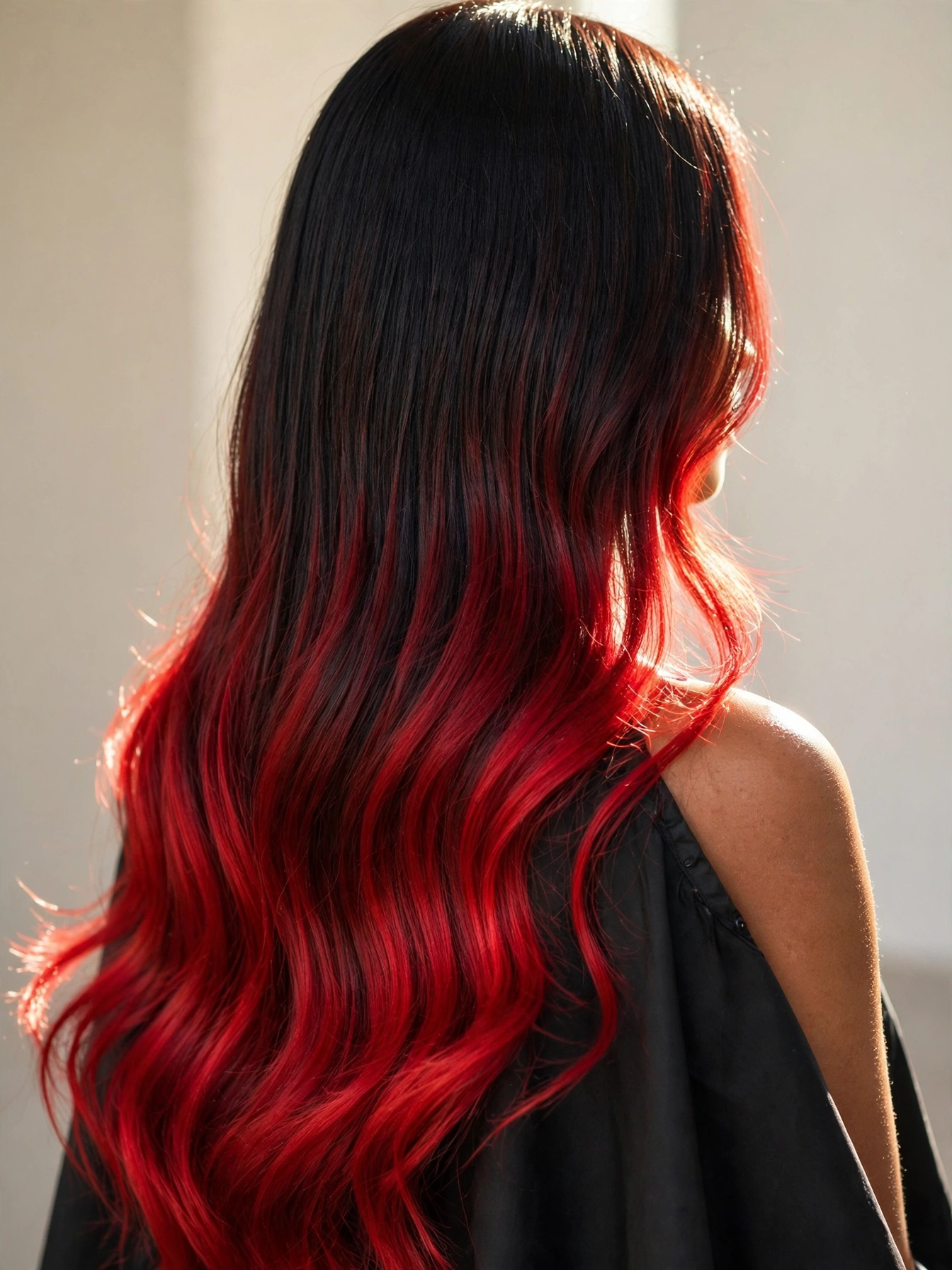
Black to Cherry Red Ombre
A dramatic transition from black roots into a bright, true cherry-red at the ends rather than a deep wine tone. It’s bolder and more vibrant than classic burgundy ombre, with stronger visual contrast.
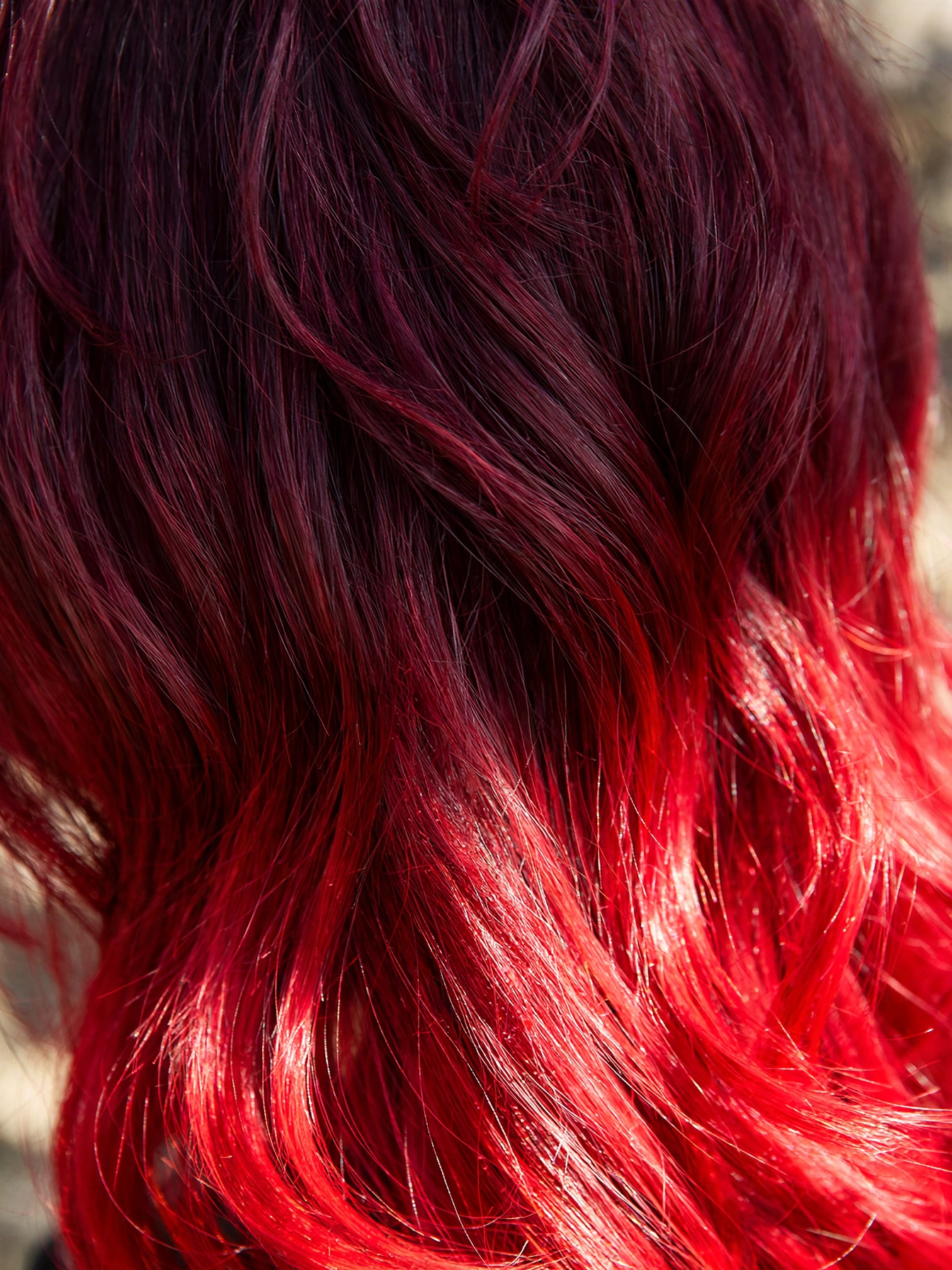
Burgundy to Bright Red Ombre
Deep burgundy roots blending into a brighter, more vivid red toward the ends. This creates noticeable movement and dimension, especially under direct light.
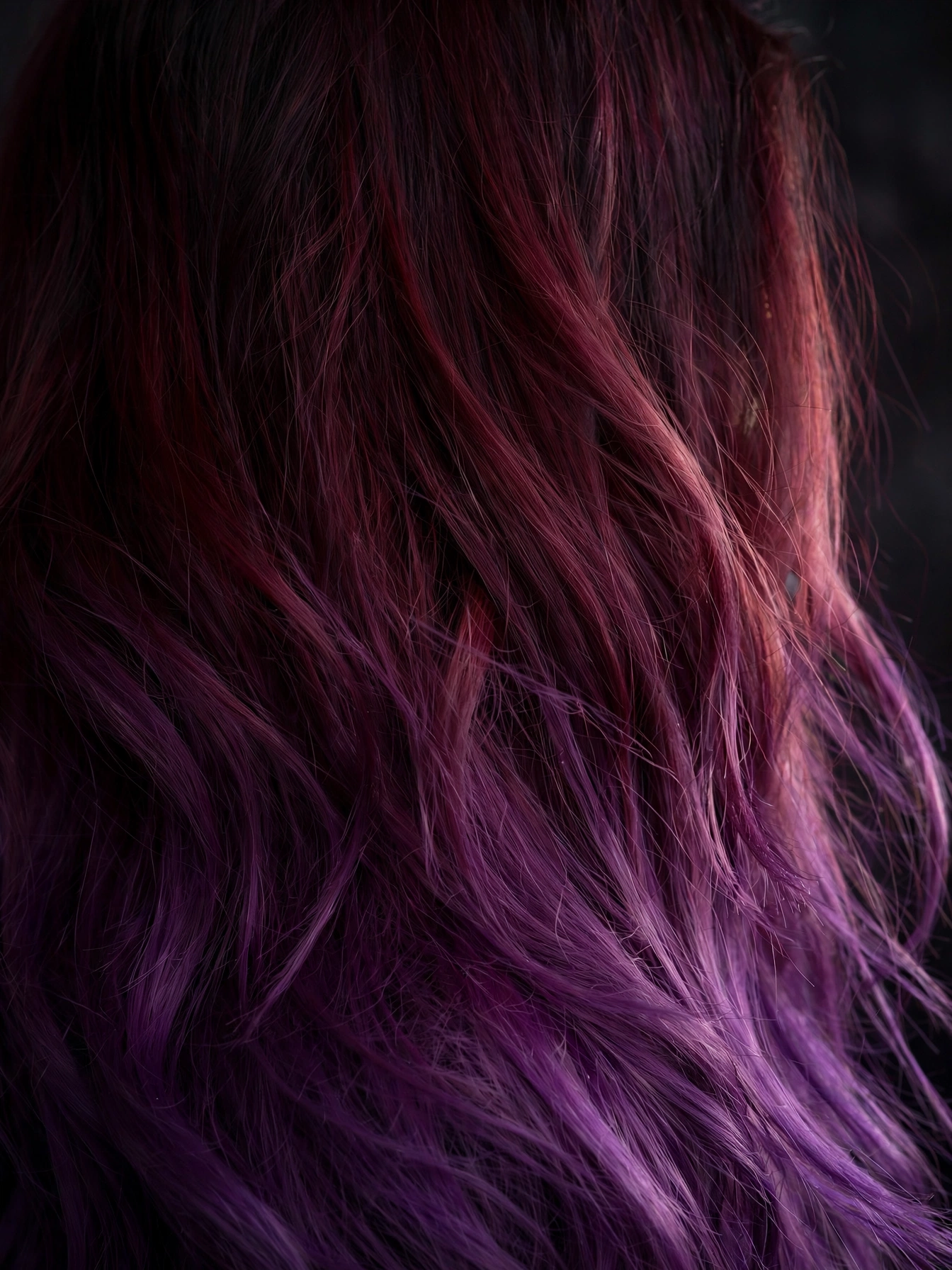
Burgundy Purple Ombre
A blend that leans into purple undertones rather than pure red, creating a moodier, more dramatic gradient. It requires some confidence to pull off and tends to suit balanced or neutral skin tones best.
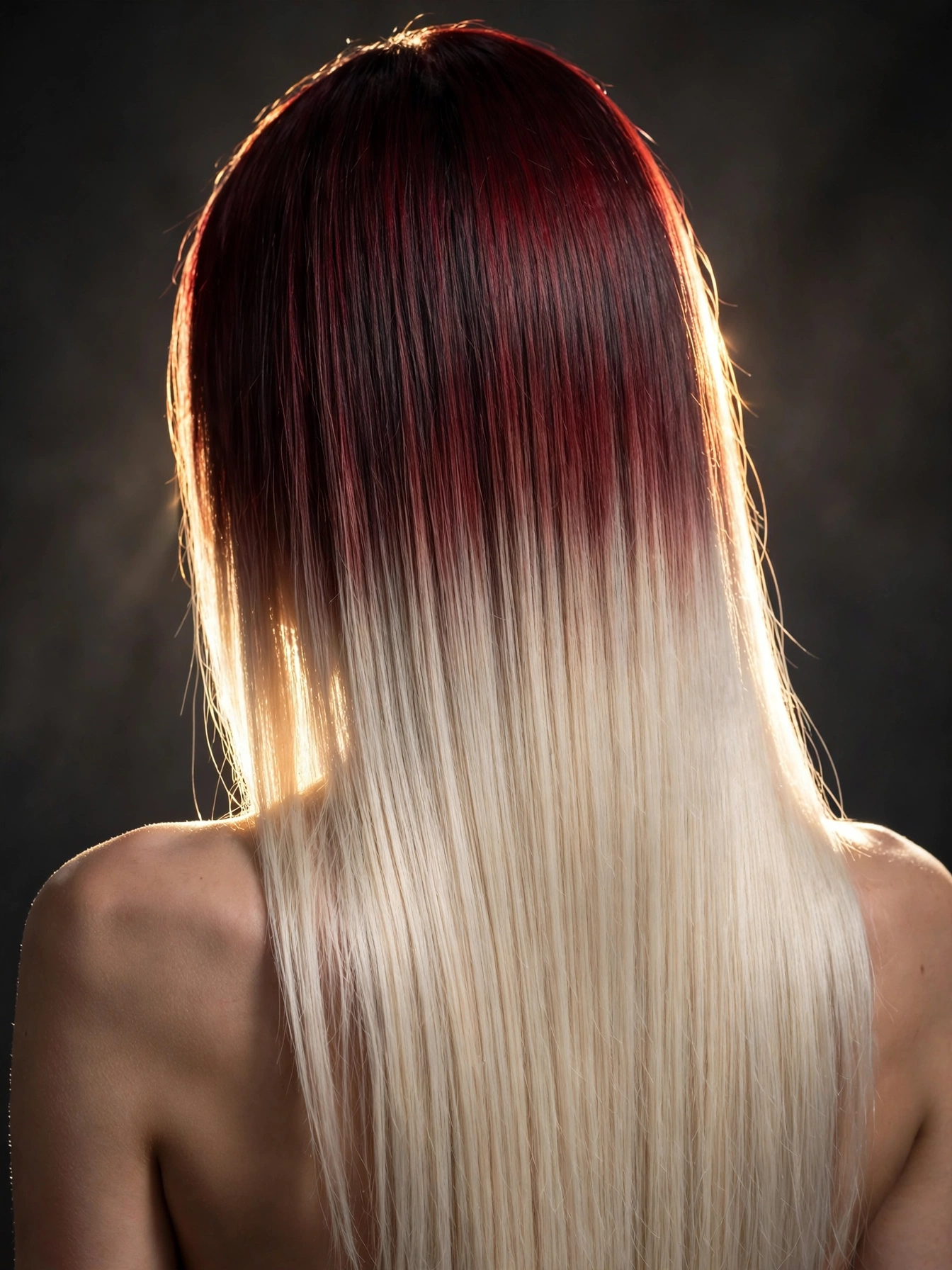
Burgundy to Blonde Ombre
A bold, high-contrast combination of dark burgundy roots fading into blonde ends. This is one of the more dramatic pairings on the list and is generally best left to a professional colorist, since it usually requires pre-lightening the ends.
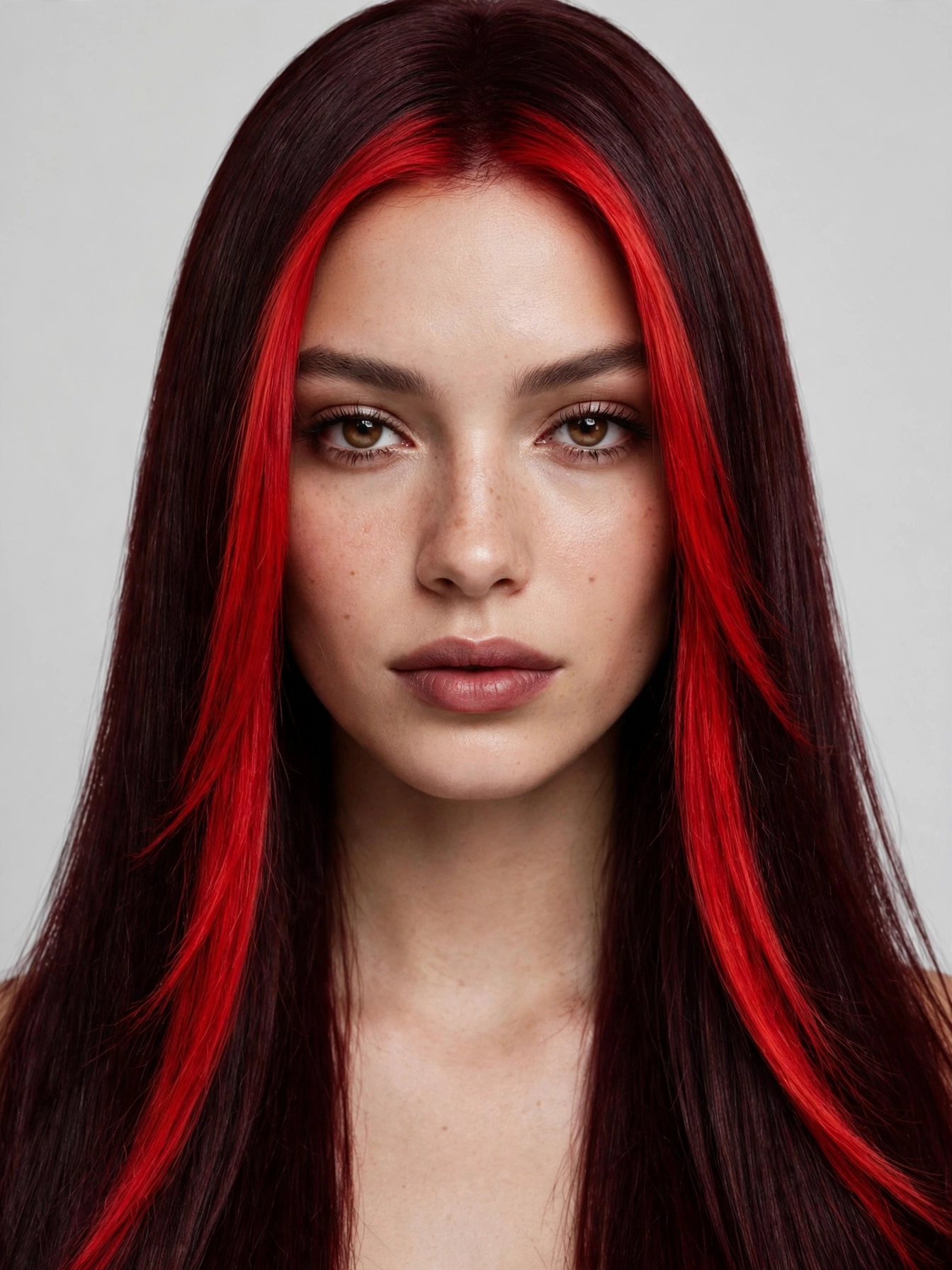
Burgundy with a Fire-Engine Red Money Piece
A face-framing money piece in a bright, fire-engine red set against an otherwise dark burgundy base. It adds a bold pop of contrast right around the face without fully committing to an all-over bright shade.
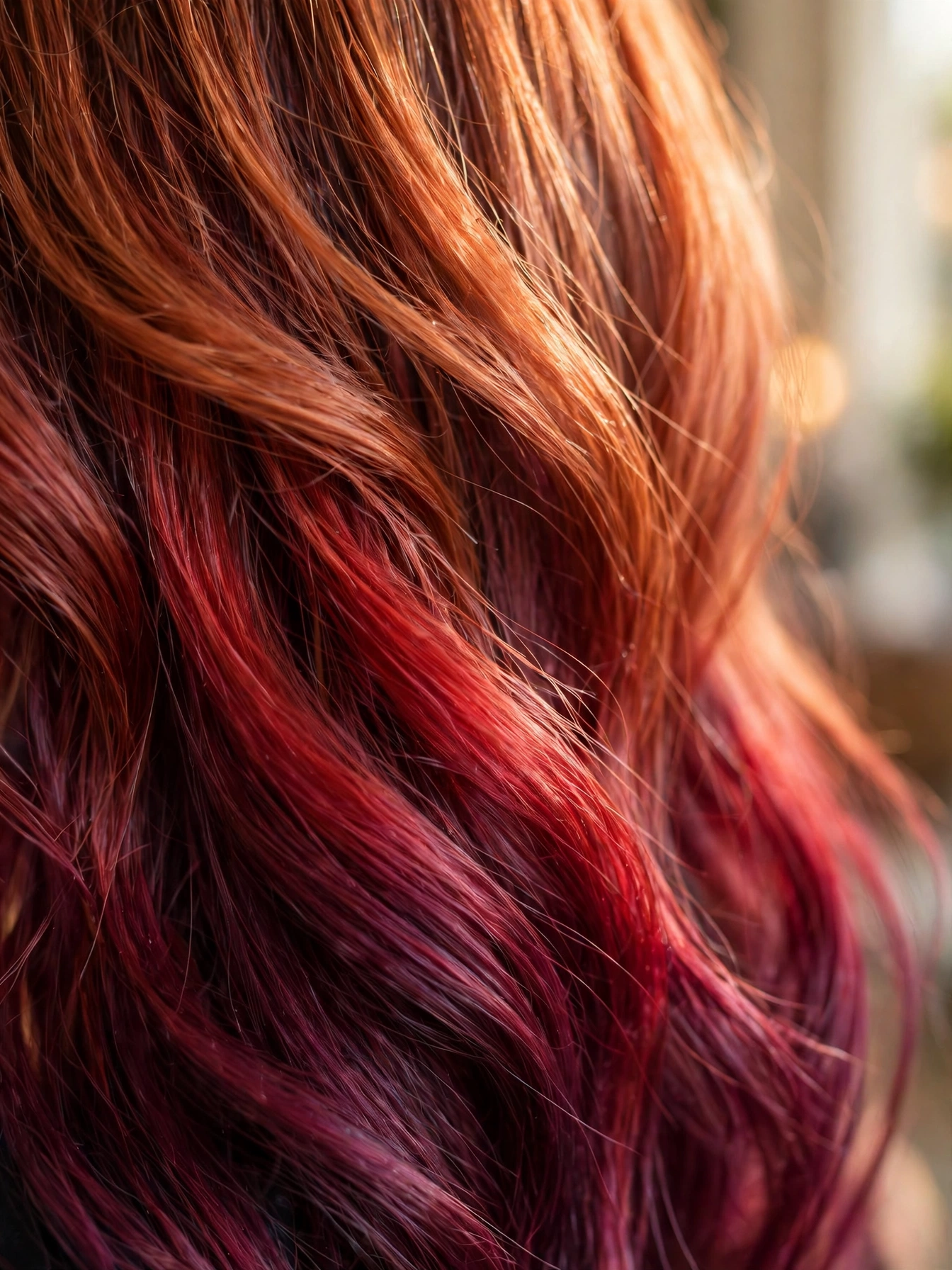
Sangria Burgundy Ombre
A deep, layered blend of copper, true red, and purple tones, named for its resemblance to the drink. It’s highly customizable and tends to suit a wide range of skin tones because of its mixed undertones.
Technique-Based Burgundy Ombre
Burgundy Balayage Ombre
A hybrid technique combining hand-painted balayage placement with an ombre-style gradient. It creates a softer, more dimensional transition than a traditional straight-line ombre, with less obvious regrowth over time.
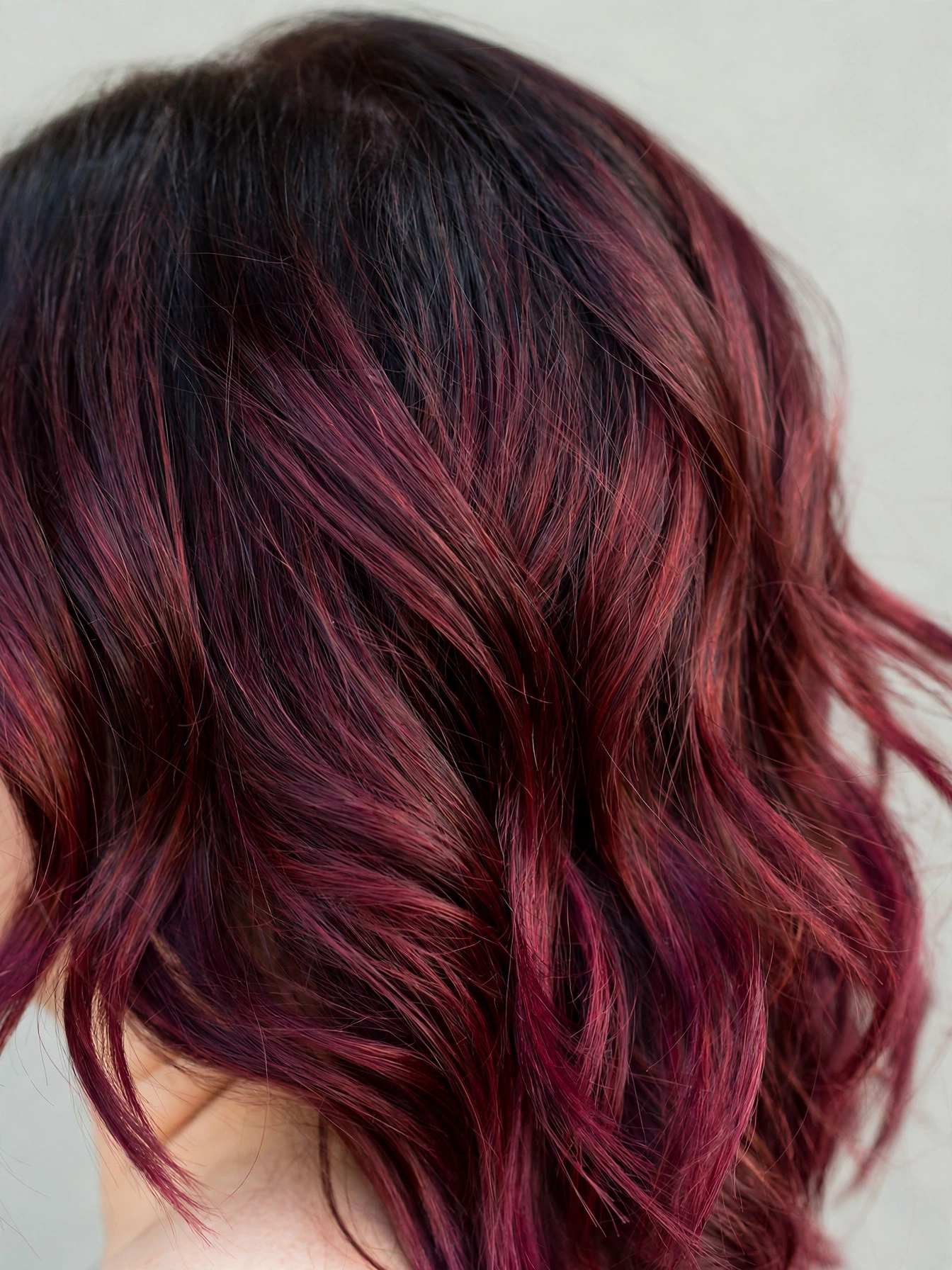
Burgundy Babylights Ombre
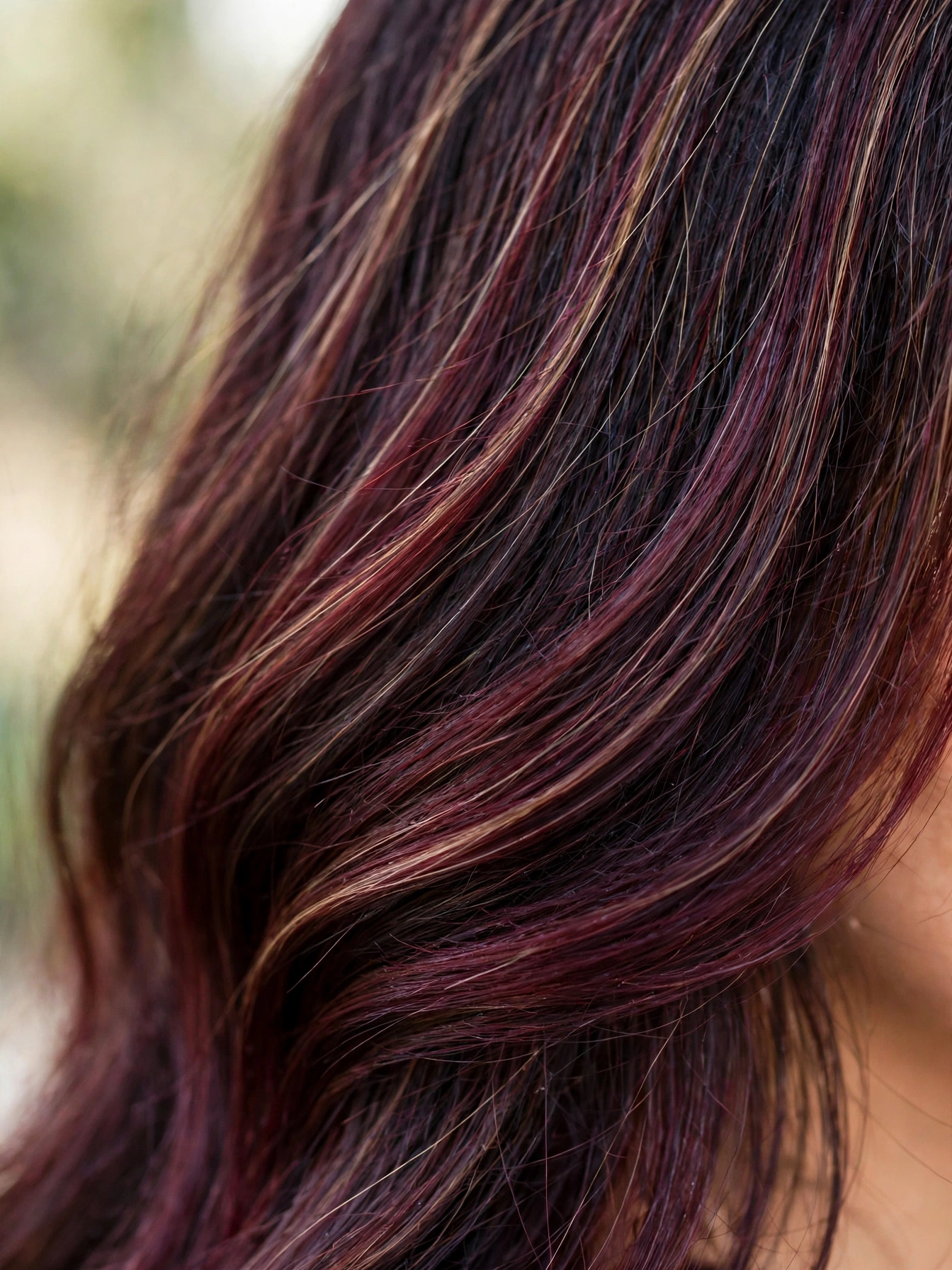
Fine, delicate burgundy pieces woven near the ends over a darker base, sometimes combined with hints of blonde peeking through for extra dimension. It gives a lighter, more textured version of the classic ombre look.
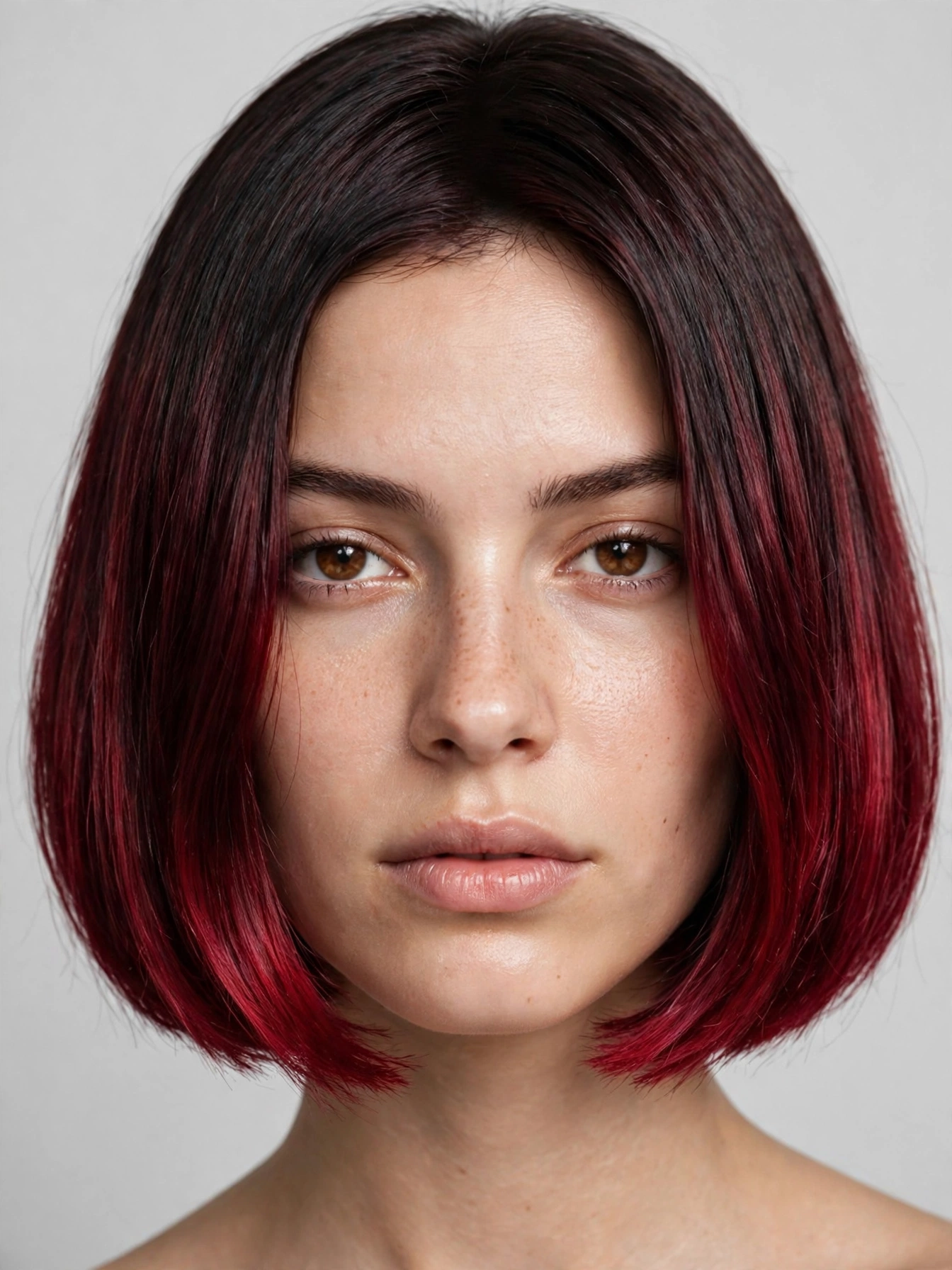
Burgundy Ombre Bob
A dark crimson ombre cut into a chin-length bob, where the shorter length shows the color transition more compactly and clearly than long hair. It works particularly well for brunettes with a level 1 to 4 dark base.
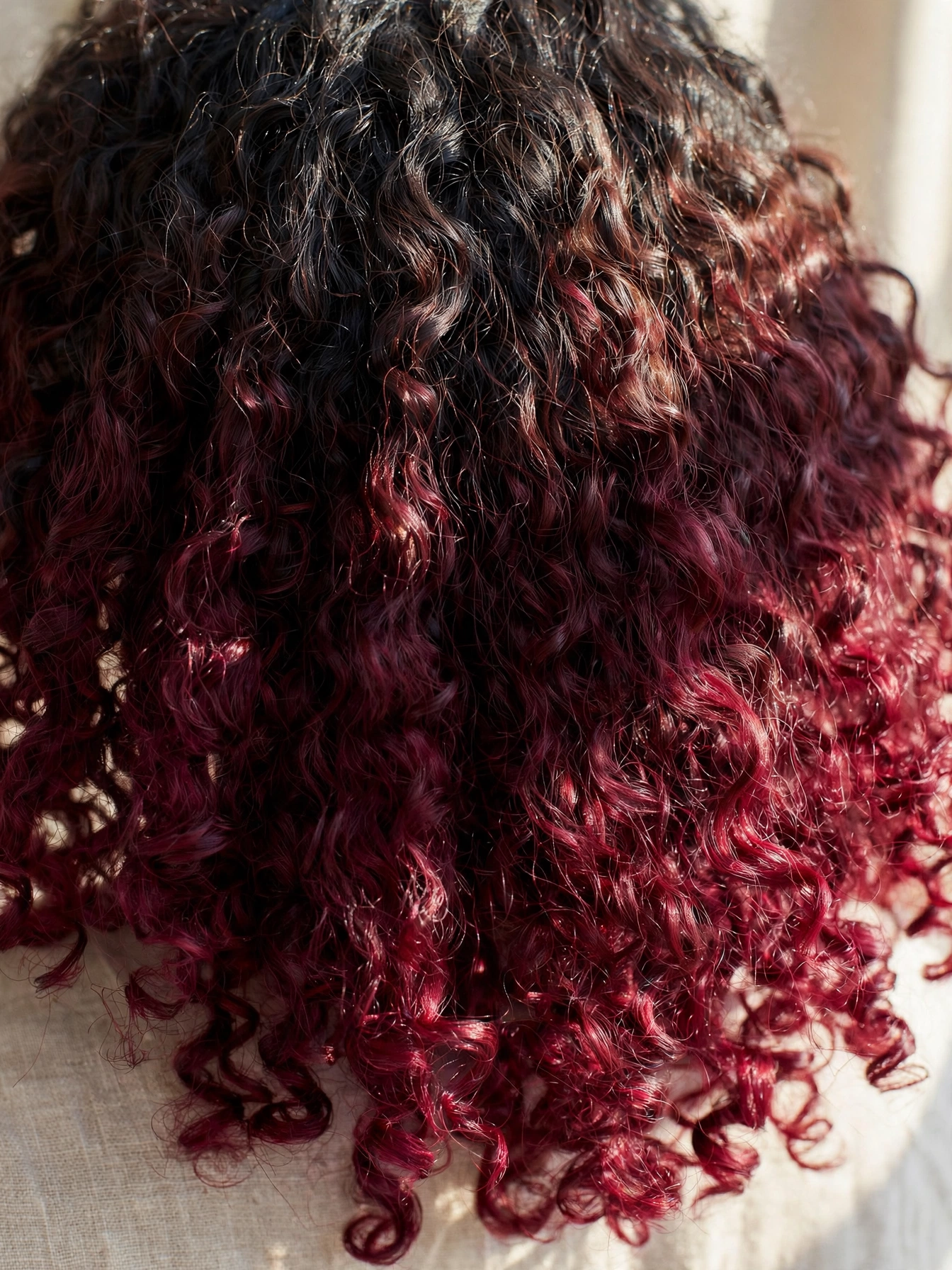
Burgundy Ombre on Curly Hair
An ombre gradient adapted for curly hair, where the burgundy tends to appear more textured and dimensional as it catches the light differently across each curl. Curly hair often shows less of a hard transition line, since the natural texture blends the colors visually.
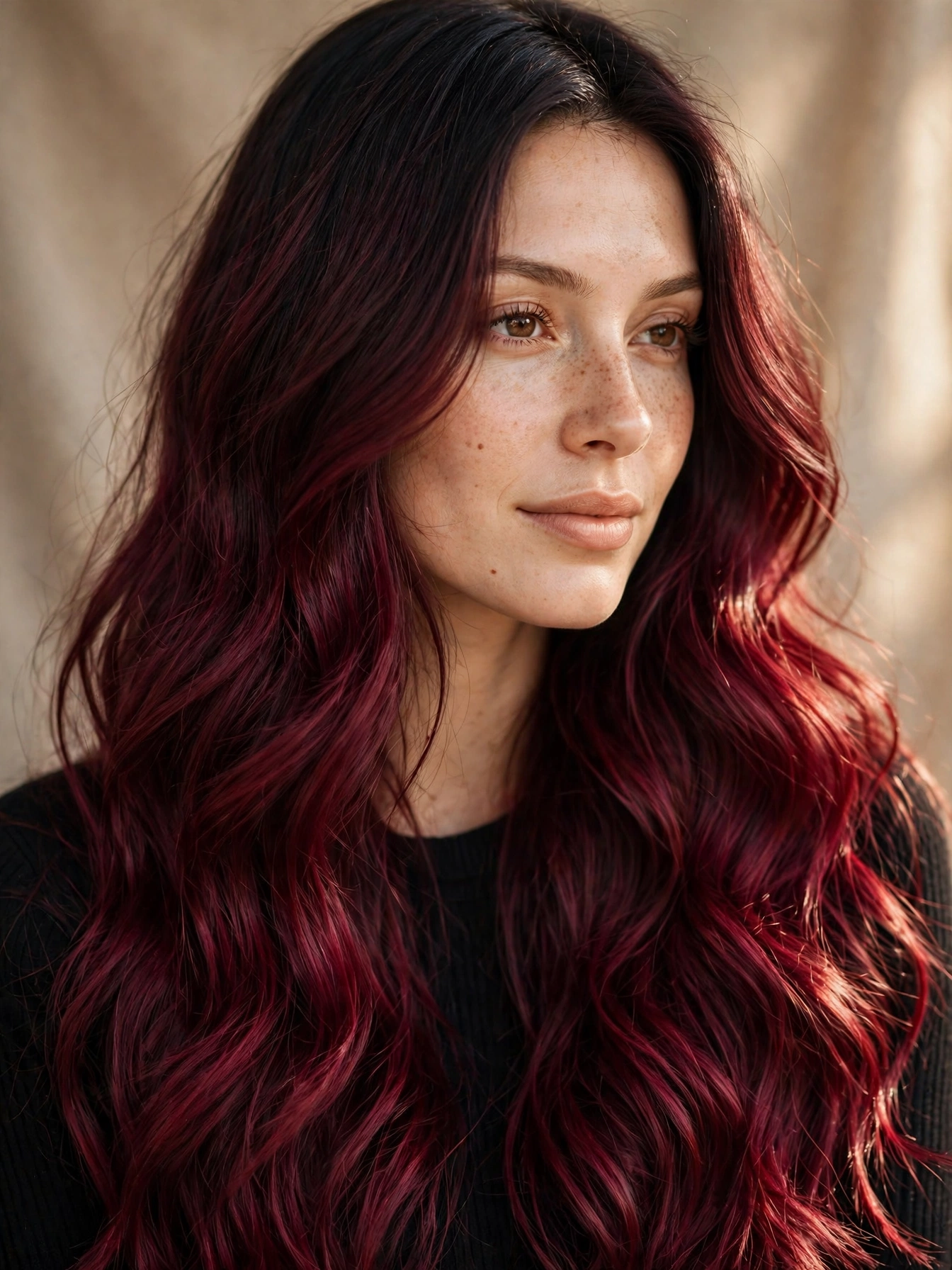
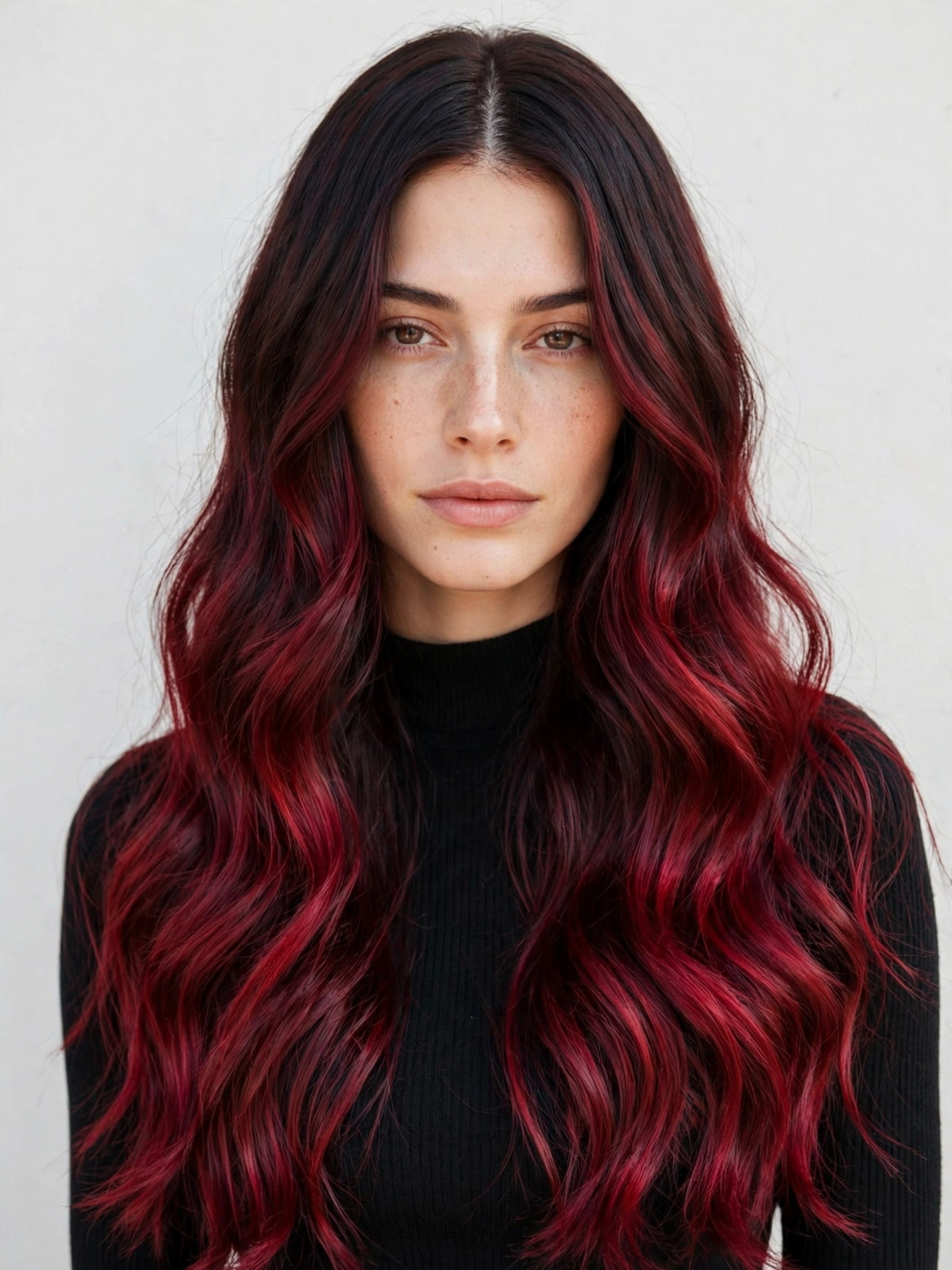
Dark Crimson Ombre on Long Waves
A long, wavy style with a middle part, transitioning from a natural dark base into a deep crimson through the lengths. The waves add extra movement to the color gradient, making it look more fluid.
Style and Seasonal Pairings
Burgundy Fall Melt Ombre
A blended combination of burgundy with other autumn-inspired tones like warm orange, deep berry, and rich chocolate, melted together rather than kept as sharp sections. It’s specifically popular as a seasonal fall color choice.
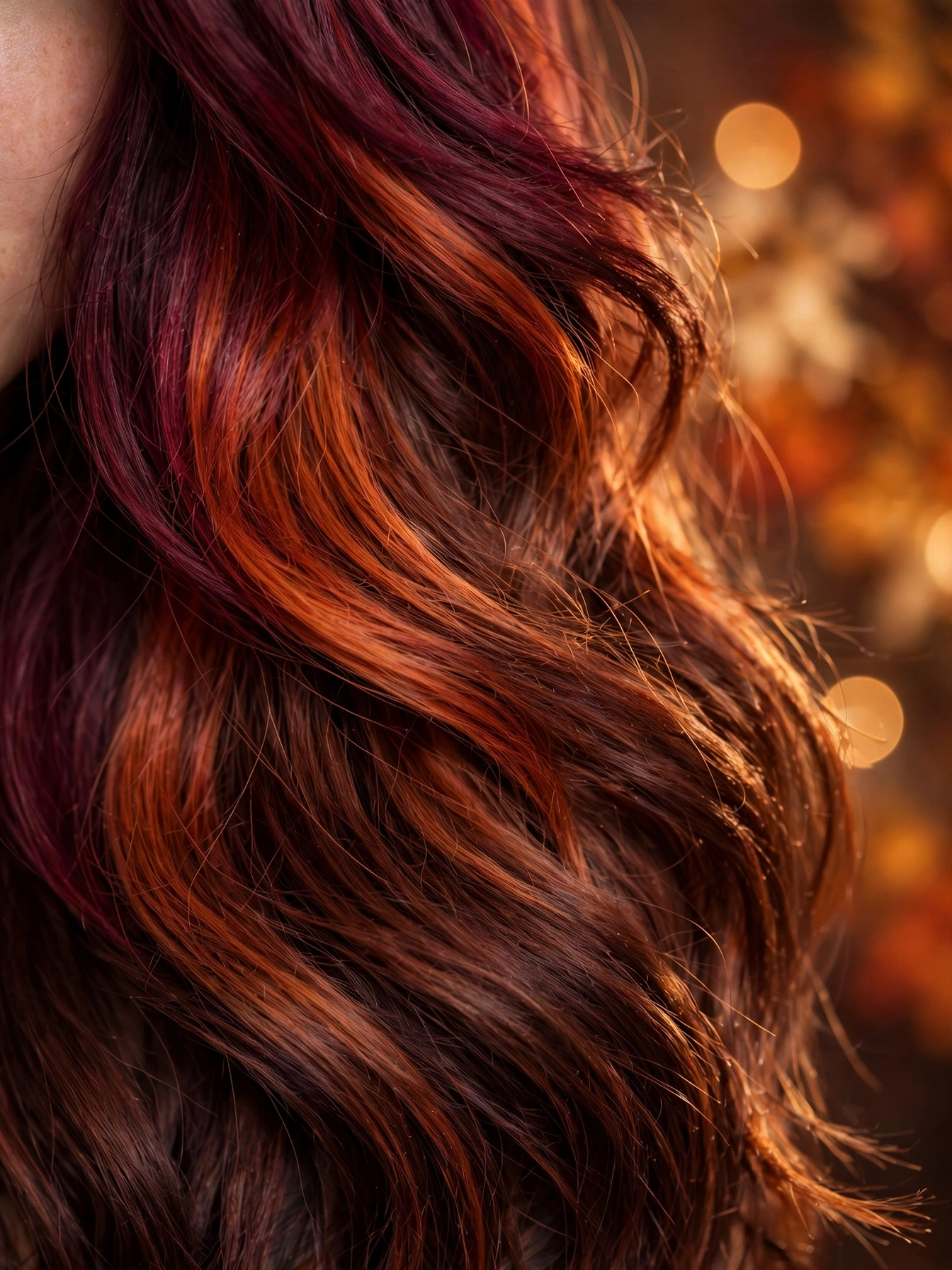
Burnt Orange Burgundy Ombre
Burgundy blended with burnt orange tones for a bold, warm twist on the classic gradient. The combination adds extra warmth and works well for warmer skin undertones.
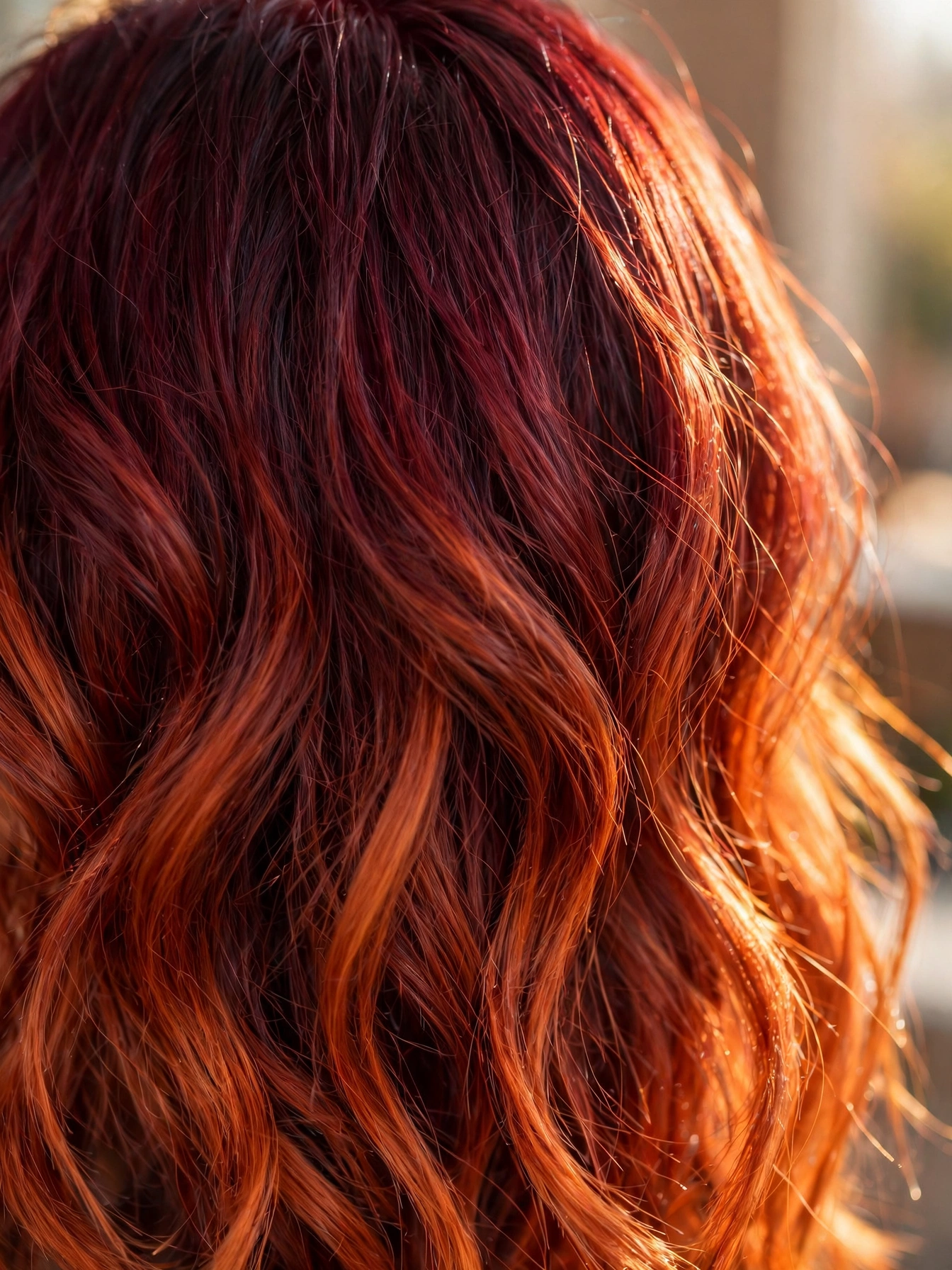
Plum Burgundy Ombre
A softer, dustier take on burgundy with visible plum undertones, often paired with lighter caramel babylights for added depth. It reads as more muted and sophisticated than a bright, saturated burgundy.
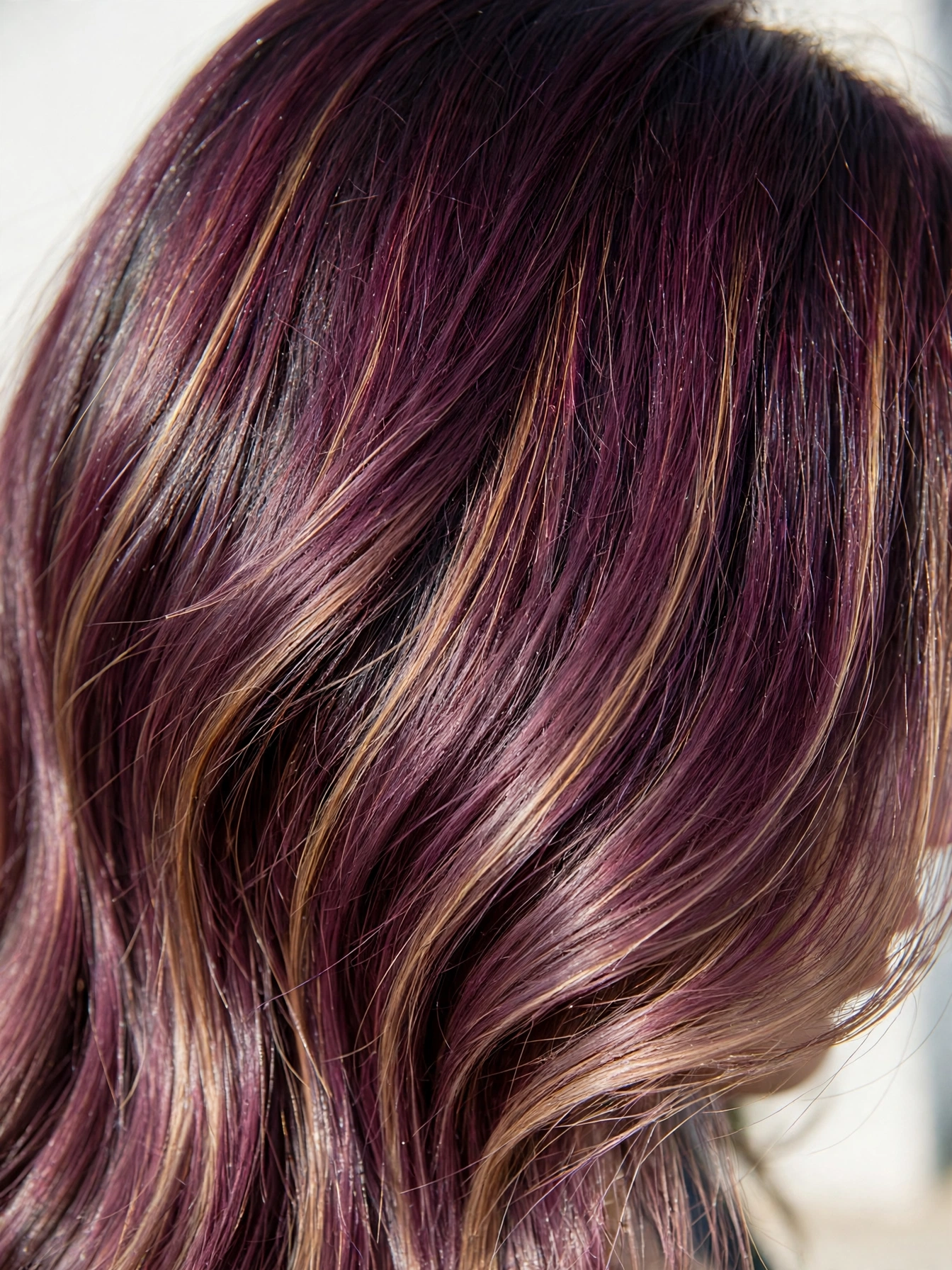
Grape Purple Burgundy Ombre
A smoky, dusty grape-toned burgundy, often combined with light caramel babylights for contrast and dimension. It’s a popular fall-leaning variation that reads as moodier than a standard red-based burgundy.
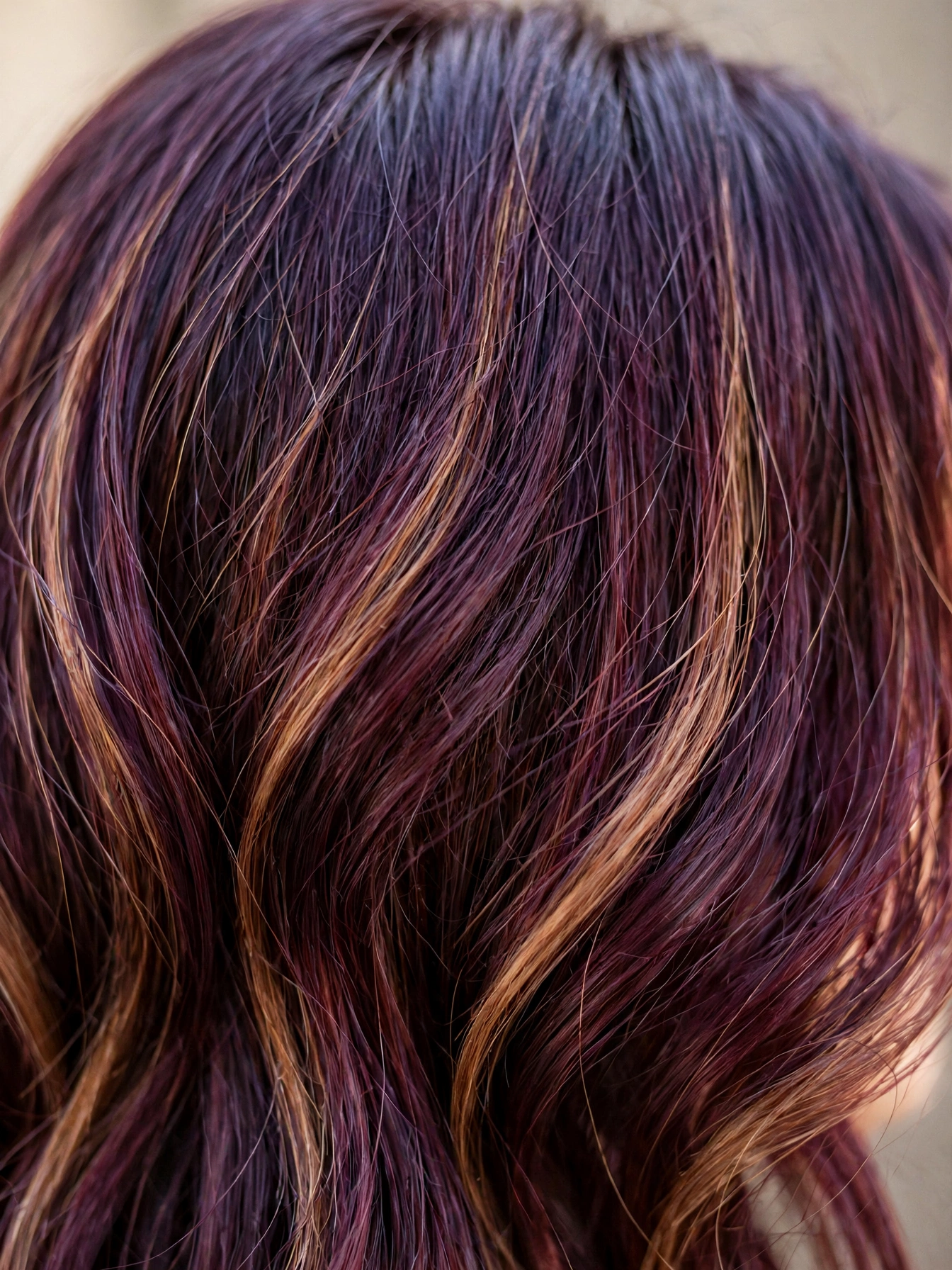
Muted Metallic Burgundy Ombre
A toned-down, softer version of burgundy with a subtle metallic finish rather than a high-shine, saturated look. It’s a good option for anyone who wants the richness of burgundy without the boldness of a fully vibrant shade.
Maintenance and Cost
Typical cost ranges:
- Full burgundy ombre on already-dark hair: roughly $100 to $250, since less lightening is needed
- Burgundy ombre involving pre-lightening (like burgundy to blonde): often $200 to $450, due to the extra bleaching and toning steps required
- At-home box color touch-ups between salon visits: roughly $10 to $20 per box
Why burgundy fades faster than other colors:
Red and burgundy dye molecules are larger than those in most other hair colors, which means they don’t penetrate as deeply into the hair shaft. This causes burgundy and red tones to fade noticeably faster than browns or blondes, often within about a month for brighter, more vibrant shades.
Typical touch-up schedule:
- Vibrant, red-heavy burgundy shades: every 4 to 5 weeks
- Deeper, more brown-based burgundy shades: every 6 to 8 weeks, since darker tones fade more subtly
- Root touch-ups specifically (regrowth, not full color refresh): every 3 to 6 weeks depending on how fast your hair grows and how visible your natural color is against the burgundy
Frequently Asked Questions
Does burgundy ombre work on all hair colors?
It looks most seamless on naturally dark brown or black hair. Lighter or previously colored hair may need pre-lightening at the ends first, which adds time and cost to the process.
Why does burgundy fade faster than other hair colors?
Red and burgundy dye molecules are larger than other color molecules, so they don’t penetrate the hair shaft as deeply. This causes the color to fade noticeably faster, especially in brighter, more vibrant burgundy shades.
How often do I need to touch up burgundy ombre?
Vibrant shades typically need a refresh every 4 to 5 weeks, while deeper, more brown-based burgundy tones can often stretch to 6 to 8 weeks.
Is burgundy ombre high maintenance?
It’s considered moderate to high maintenance compared to browns or blondes, mainly because of how quickly red pigments fade. Using color-safe shampoo, minimal heat styling, and occasional gloss treatments can help extend the color between salon visits.
Can I do burgundy ombre at home?
Simple root touch-ups with a box dye can work between salon visits, especially for darker, more brown-based burgundy shades. More complex looks involving pre-lightening or a precise gradient are best left to a professional colorist.
Final Thoughts
Burgundy ombre isn’t one single shade, it’s a technique that can be adapted from a subtle, barely-there tip color to a bold, high-contrast transition. The right version for you depends on your starting hair color, your undertone, and how much upkeep you’re realistically willing to commit to, since burgundy is known for fading faster than most other shades. Bring a few reference photos from this list to your next color appointment, and ask your colorist specifically about your base color’s impact on the final result.